Beyond the Buzzer Beater: Narcan’s Moment Amidst Knicks’ Championship Roar

The air in Lower Manhattan vibrated with pure euphoria. Two million voices roared in unison, celebrating the New York Knicks’ first NBA championship in 53 years. Amidst this sea of orange and blue, a stark reminder of a different kind of emergency unfolded, one that, thanks to swift action and accessible medication, ended in a life saved.
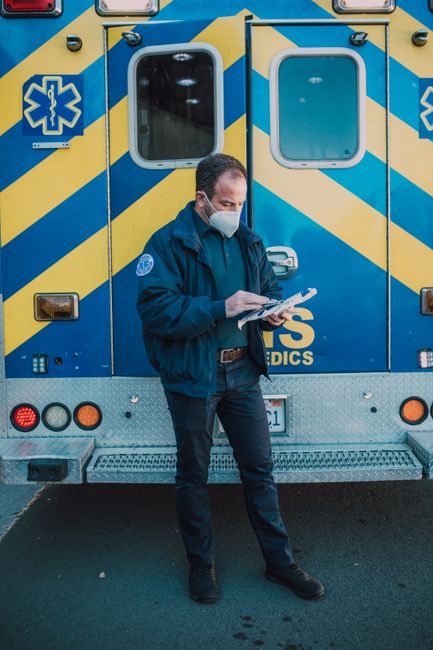
The jubilant atmosphere of the championship parade was momentarily pierced by a critical situation. An off-duty EMT, Simone Kelly, and another bystander stepped into action, administering Narcan to a man experiencing what appeared to be an overdose. This dramatic moment, captured and quickly shared, underscored a vital truth: in the midst of massive public gatherings, emergencies can strike anywhere, and the ability to respond quickly is paramount.
Kelly’s selfless act, performed in the heart of a roaring crowd, serves as a powerful testament to the life-saving potential of naloxone, the active ingredient in Narcan. Her statement that “anyone can learn” to administer it during an opioid emergency couldn’t be more timely, especially as the FDA continues to expand access to this crucial medication.
FDA’s Commitment to Broader Naloxone Access
The Food and Drug Administration has made significant strides in combating the opioid crisis, and the recent expansion of over-the-counter (OTC) naloxone access is a monumental step. Following its initial approval of OTC Narcan nasal spray in 2023, the FDA recently greenlit another intranasal naloxone product, Rextovy. This move is designed to further broaden accessibility and reduce the tragic number of opioid-related deaths across the United States.
While overdose deaths have seen a decline since naloxone became more widely available, the crisis, heavily fueled by potent synthetic opioids like fentanyl, remains a critical concern. As Dr. Mike Davis, Acting Director of the FDA’s Center for Drug Evaluation and Research (CDER), stated, “Reducing opioid overdose deaths is a top priority for FDA.” Empowering individuals without medical training to act immediately with these medications has been demonstrably life-saving.
The availability of Rextovy without a prescription at pharmacies, retail stores, and online removes significant barriers. Dr. Joseph Volpicelli, Executive Director of the Institute of Addiction Medicine, noted, “This is significant because it means anyone can walk into a pharmacy and get a medication that can save their own or someone else’s life from an opioid overdose, no prescription needed.” This increased accessibility is especially critical in a country where opioid overdoses are a leading cause of injury-related death for those under 45.
The Fentanyl Challenge and the Need for Speed
The escalating fentanyl crisis presents unique challenges. Synthetic opioids, often mixed into other drugs without the user’s knowledge, are responsible for over 92% of all fatal opioid overdoses. The potency of these substances means that even naloxone, a powerful reversal agent, might require prompt and repeated administration.
Recent research published in Anesthesiology has indicated that current doses of naloxone may not always fully reverse the respiratory depression caused by powerful synthetic opioids. Lead author Dr. Maarten A. van Lemmen emphasized the need for rapid intervention, stating, “We hope these findings encourage institutions to update guidelines and reinforce the importance of fast emergency intervention.”
It’s crucial to understand that while naloxone can restore consciousness, it doesn’t always immediately restore normal breathing. An individual may appear alert but still have dangerously slow breathing. As James P. Rathmell, MD, editor-in-chief of Anesthesiology, explained, the window for effective intervention is critical. If breathing stops immediately upon drug ingestion, naloxone must be administered within minutes to prevent brain injury or death.
Given these complexities, the advice remains clear: if you suspect an opioid overdose, call 911 immediately and be prepared to administer additional doses of naloxone as needed until medical professionals arrive. Recognizing the signs of an overdose – constricted pupils, slowed or absent breathing, extreme fatigue, and loss of alertness – is a vital first step in saving a life.
Spotting an Opioid Overdose: Know the Signs
Familiarize yourself with these common indicators:
- Pinpoint pupils
- Slowed or absent breathing
- Extreme fatigue or drowsiness
- Changes in heart rate
- Loss of consciousness or responsiveness
If you observe these signs, don’t hesitate: call 911 immediately.
Naloxone: A Lifesaving Tool, More Accessible Than Ever
Naloxone has evolved significantly since its initial approval as an injection for medical professionals. The development of user-friendly forms like nasal spray has been a game-changer, making it a practical tool for bystanders and family members. “For most real-world situations, the nasal spray works just as well and is a good alternative to the injection,” noted Dr. Volpicelli. “Similarly, if a bystander or family member is in a crisis moment, the nasal spray is practical and also far less intimidating, which could be the difference between life or death.”
Naloxone is specifically effective against opioid overdoses, including those involving heroin, fentanyl, oxycodone, and hydrocodone. It works by blocking opioid receptors in the brain, reversing the overdose effects within minutes when administered correctly and promptly. However, it’s important to remember that naloxone is not effective against alcohol, benzodiazepines, or stimulants.
While generally safe with minimal side effects, naloxone can induce withdrawal symptoms in individuals with opioid addiction. These may include nausea, vomiting, stomach cramps, and chills. “The only real risk is not using it when you should,” Dr. Volpicelli wisely concludes.
The sight of an EMT using Narcan amidst the jubilant cheers of a championship parade is a powerful juxtaposition. It reminds us that behind every major event, and in everyday life, the threat of opioid overdose exists. The FDA’s expanded access to naloxone ensures that more individuals are equipped with the knowledge and the medication to act when seconds count, turning potential tragedy into a testament to human resilience and accessible medical intervention.