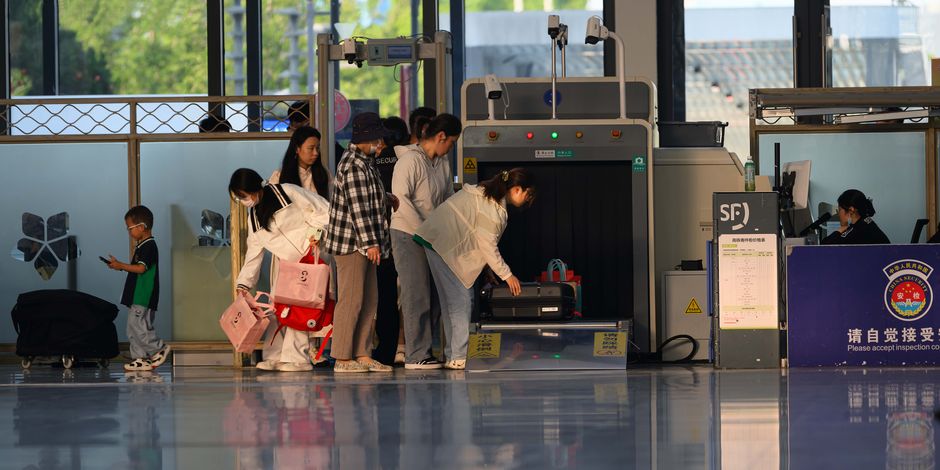
Say Goodbye to Fumbling for Your ID at Airport Security
How many times have you scrambled through your bag at security, desperately searching for your driver’s license while people queue behind you? What if that frustrating moment could simply vanish? For Android users with TSA PreCheck, that future is already here. Google Wallet is quietly revolutionizing the airport experience, and it might change how you travel forever.
The Rise of Touchless Travel Technology
We’ve grown accustomed to contactless payments at coffee shops and grocery stores, but the transportation security sector has been slower to adopt digital alternatives. That’s rapidly changing. The integration of digital identification into Google Wallet represents a significant leap forward in modernizing one of travel’s most tedious rituals. No more plastic cards to lose, forget, or have expire at the worst possible moment.
The transition to digital ID at security checkpoints reflects broader trends in how we interact with everyday systems. Rather than carrying a bulky wallet stuffed with multiple forms of identification, travelers can now rely on a single device that’s already in their pocket.
What This Means for TSA PreCheck Members
If you’re already enrolled in TSA PreCheck, you understand the value of expedited security screening. The program allows eligible travelers to move through dedicated lanes with minimal hassle—no need to remove shoes, belts, or light jackets. Adding digital ID verification to this experience creates an almost frictionless checkpoint experience.
Quick tip: Make sure your TSA PreCheck status is current before attempting to use digital ID. Check the TSA website to verify your enrollment dates and renewal deadlines.
The process is straightforward. When you approach the security checkpoint, you simply unlock your phone and present it to the TSA officer’s scanner. Your encrypted digital credentials are verified in seconds, and you’re on your way. It’s faster than pulling a card from your wallet, and it eliminates the physical wear and tear on your actual identification documents.
Security Features You Should Know About
Naturally, concerns about digital security arise whenever we discuss moving sensitive documents onto smartphones. Google has implemented multiple layers of protection for digital IDs stored in Wallet. The credential is encrypted, requiring biometric authentication before it can be displayed. This means someone stealing your phone can’t automatically access your identification information.
The data lives securely on your device and isn’t transmitted to remote servers when you present it at security checkpoints. TSA officers access the information through a specialized scanner that reads your phone’s display, maintaining the same security standards that govern physical document verification.
The Broader Implications for Air Travel
This development is just the beginning. As more travelers adopt digital identification and airports implement compatible scanning technology, we’ll likely see expansion beyond TSA PreCheck holders. Eventually, international travelers, casual flyers, and others might have similar options. Some airports are already testing additional use cases, from boarding passes to rental car identification.
The digital transformation of airport security reduces processing times, diminishes lost document issues, and creates a more seamless experience for everyone involved. Staff members spend less time examining documents and more time focusing on actual security protocols. Travelers waste fewer minutes in lines and spend more time in airport shops and restaurants.
Getting Started With Digital ID in Google Wallet
Currently, the feature is available to Android users with active TSA PreCheck enrollment. You’ll need to verify your identity through Google’s authentication process and add your credential to your Wallet app. The setup typically takes just a few minutes, though you’ll need your existing TSA PreCheck information and a valid form of identification on hand.
Not all airports are equipped with the necessary scanning technology yet, so check ahead before your trip. However, availability is expanding rapidly as more security checkpoints receive upgrades. Even if your airport isn’t ready, you’ll still have your physical ID to fall back on.
Did you know? Digital identification technology has been used in other countries for years, particularly in Europe. The United States is catching up, and travel technology adoption often serves as a testing ground for innovations that eventually spread