The Unexpected Power of Lifting Weights for Your Heart
When most people think about heart health, they picture someone jogging on a treadmill or cycling along a scenic path. But what if one of the most effective ways to protect your cardiovascular system has nothing to do with cardio at all? Recent research reveals that women who incorporate consistent strength training into their weekly routine experience significant heart disease risk reduction—and the time commitment is surprisingly modest.
The good news? You don’t need to spend hours at the gym. Just two hours of weekly strength training can make a measurable difference in how your heart functions and responds to disease risk factors. For busy women juggling work, family, and life responsibilities, this finding opens up new possibilities for preventative health care that fits into realistic schedules.
How Strength Training Protects Your Cardiovascular System
Strength training works its magic through several pathways. When you engage your muscles against resistance, your body adapts in ways that directly benefit heart health. Your insulin sensitivity improves, meaning your body manages blood sugar more effectively. Your cholesterol levels and other blood lipids shift toward healthier ranges. Your overall body composition changes as you build lean muscle and reduce excess body fat.
These metabolic improvements cascade into real cardiovascular protection. Better blood pressure control, improved circulation, and reduced inflammation throughout your arteries all follow from consistent strength training. This is why adding weights to your routine provides benefits that extend far beyond the obvious goal of building muscle.
Quick tip: You don’t need an expensive gym membership to start. Bodyweight exercises like squats, step-ups, modified push-ups, and planks are remarkably effective and can be done in your living room.
The Magic Formula: Strength Plus Aerobic Exercise
While two hours of weekly strength training delivers notable heart benefits on its own, the real power emerges when you combine it with aerobic activity. Women who balance strength training with regular moderate-intensity aerobic exercise experience substantially greater protection against heart attacks specifically.
This combination addresses multiple disease pathways simultaneously. Aerobic activity strengthens your heart muscle itself and improves oxygen circulation. Strength training optimizes your metabolic environment and body composition. Together, they create a comprehensive defense system against cardiovascular disease.
The current exercise guidelines recommend 150 minutes of moderate-intensity aerobic activity—think brisk walking, swimming, or cycling—paired with two sessions of strength training weekly. This balanced approach targets the full spectrum of cardiovascular risk factors.
Special Considerations for Midlife and Beyond
Women navigating menopause and the postmenopausal years face particular cardiovascular challenges. Hormonal changes affect cholesterol profiles, blood pressure regulation, and fat distribution. Additionally, age-related muscle loss accelerates, increasing fall risk and frailty.
Strength training addresses these interconnected issues in ways that other interventions cannot. Building and maintaining muscle mass becomes increasingly important for bone health, functional independence, and metabolic vitality. For women in midlife and beyond, resistance training represents a high-value intervention that simultaneously addresses multiple health concerns.
Yoga practices also deserve mention as a complementary approach. Gentle but challenging yoga sequences build functional strength while improving balance, flexibility, and managing stress—all beneficial for cardiovascular health.
Creating a Sustainable Routine That Works for You
The biggest obstacle most women face isn’t understanding the benefits—it’s actually starting and maintaining a consistent practice. Fear of injury, uncertainty about proper form, time constraints, and gym intimidation all create barriers to beginning.
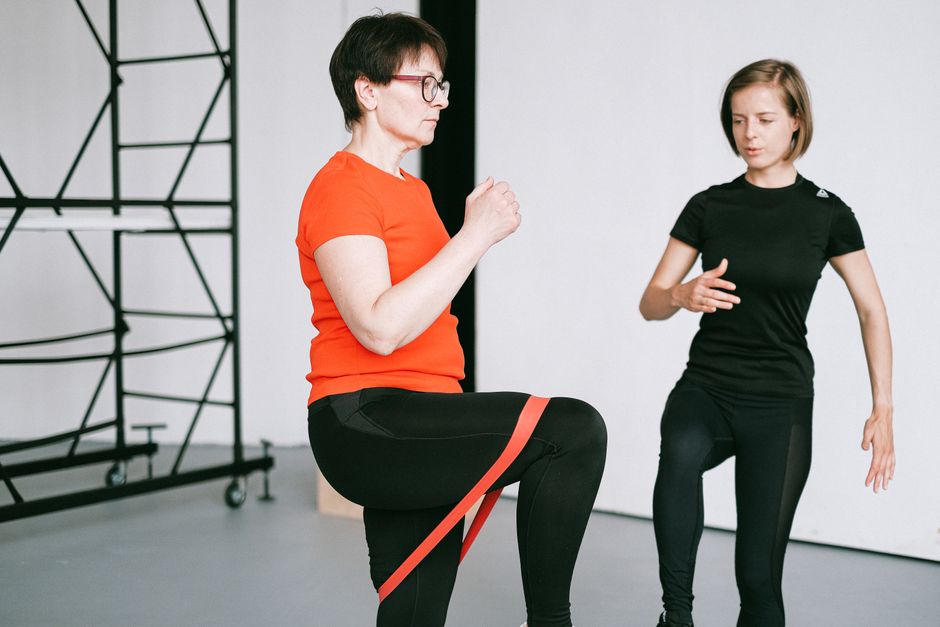
The solution lies in simplicity and clarity. Start with three to four basic exercises you can perform twice weekly. Focus on learning correct form through instructional videos, apps, or consultations with a physical therapist. As your confidence builds, gradually add resistance through dumbbells, kettlebells, or resistance bands.
Consider anchoring your exercise routine to something meaningful—maintaining independence, staying active with grandchildren, or simply feeling stronger in daily life. This emotional connection transforms exercise from a chore into a valued practice you’re more likely to maintain long-term.
Your next