When Survival Becomes a Skill to Learn Online
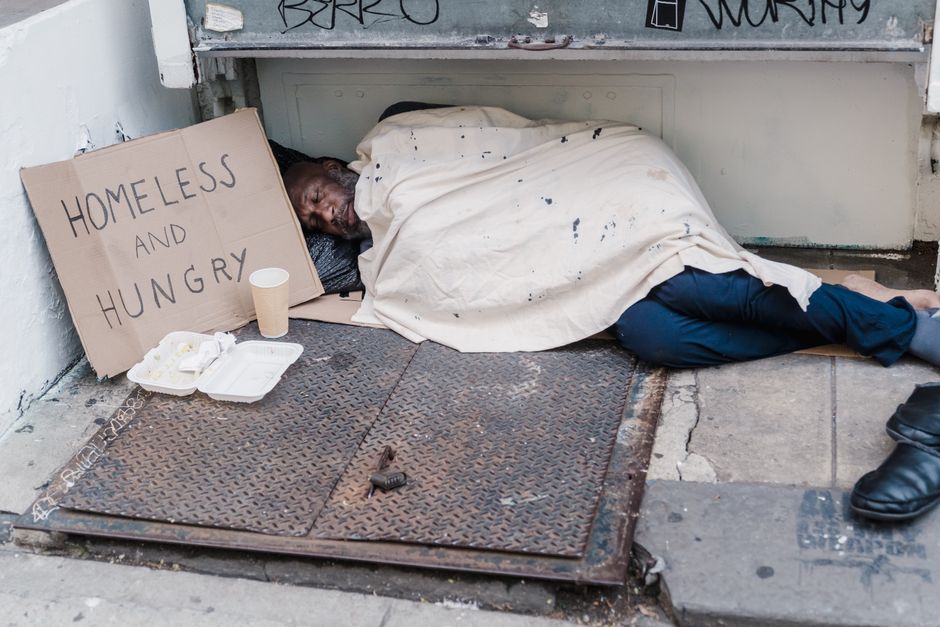
What happens when an entire generation watches wealth concentrate at the top while their own financial security slips away? They start gathering online to share survival strategies. The “almost homeless” communities thriving on social media platforms represent far more than just a support group—they’re a living documentation of how ordinary people are adapting to economic pressure that previous generations never anticipated.
These digital spaces have become unexpected repositories of practical wisdom. Members exchange tips on stretching grocery budgets, finding temporary housing solutions, and navigating the bureaucratic maze of assistance programs. But beneath the helpful advice lies a troubling reality: millions are one unexpected expense away from losing their housing.
The Economics Behind the Struggle
The gap between the wealthy and everyone else has grown into a chasm. While executives and investors enjoy unprecedented asset appreciation, workers find themselves trapped in a system where rent consumes half their income, medical emergencies derail savings plans, and job instability is simply accepted as normal. The people sharing advice in these online communities aren’t lazy or uneducated—many hold full-time jobs, yet still teeter on the edge of homelessness.
This isn’t a new problem, but social media has made it newly visible. Previously, those struggling in silence had few ways to connect and share solutions. Now, thousands gather daily to discuss meal planning on minimal budgets, identify free community resources, and offer emotional support to those facing their darkest moments.
Practical Strategies from the Community
Within these subreddits and forums, certain themes emerge repeatedly. Food strategy becomes crucial—members discuss shopping at discount grocers, timing purchases around sales, and using bulk staple foods as the foundation of meals. Whole grains, dried legumes, and seasonal vegetables can provide nutrition at fractions of typical grocery prices. Members often suggest purchasing larger quantities when items go on sale and properly storing them for extended use.
Quick tip: Many communities offer free or reduced-cost meal programs, food pantries, and community gardens. Checking local government and nonprofit websites often reveals resources that go underutilized simply because people don’t know they exist.
Housing strategies vary from shared living arrangements to car dwelling, van life, and navigating temporary shelter systems. Transportation alternatives, utility assistance programs, and healthcare access through community health centers round out the survival toolkit these communities have collectively assembled.
What This Reveals About Society
The existence and growth of these communities serves as a mirror held up to inequality. When millions must coordinate online to discuss how to afford basic necessities, something fundamental has broken in the economic system. These aren’t fringe communities—they represent mainstream struggles of working people in developed nations.
The resourcefulness displayed is remarkable, yet simultaneously heartbreaking. People shouldn’t need to engineer elaborate survival strategies just to maintain housing and food security. The energy devoted to these survival tactics could be channeled toward education, creativity, entrepreneurship, and innovation if basic needs were actually secure.
A Call for Broader Conversations
While online communities provide invaluable peer support and practical guidance, they can only address symptoms, not root causes. The structural issues driving wealth inequality require systemic solutions—affordable housing initiatives, living wage policies, accessible healthcare, and educational opportunities. Individual survival hacks, however clever, cannot substitute for economic justice.
These communities also highlight the kindness and solidarity that emerges when people face shared struggles. Members check on each other, celebrate small victories, and provide encouragement during dark moments. This human connection matters, even as we acknowledge it shouldn’t be necessary.
The question facing society isn’t whether people can survive on minimal resources—clearly, many are managing through creativity and determination. The real question is whether we’re comfortable with a future where millions must constantly strategize just to keep a roof over their heads. As wealth concentration accelerates, that answer will define who we’ve become as a society.