When a Moment of Compassion Becomes a Movement
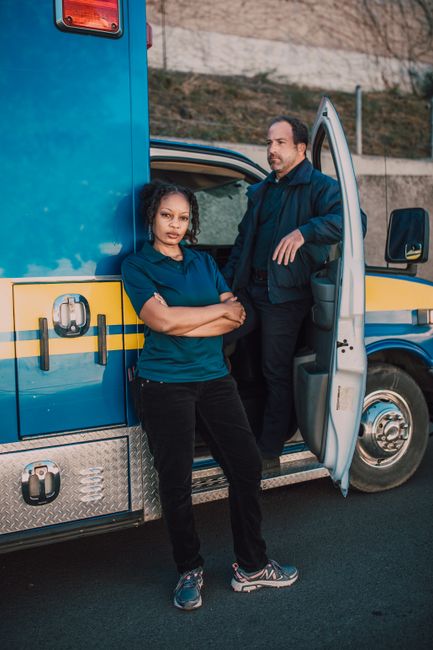
In June, a young woman made a split-second decision that would change how millions of people think about addiction and heroism. Simone Kelly, a 24-year-old volunteer emergency medical technician, administered Narcan to a stranger at a crowded subway station during the New York Knicks celebration parade. What started as an ordinary act of medical intervention transformed into a viral moment that opened doors for meaningful conversation about addiction, harm reduction, and why bystanders matter.
But Kelly’s story isn’t really about going viral. It’s about what happens after the cameras stop rolling and the real work begins.
Reading the Signs That Save Lives
During that chaotic moment on the subway platform, Kelly didn’t hesitate because she knew what to look for. Unresponsiveness combined with specific physical signs—particularly constricted pupils paired with shallow, slow breathing—are telltale indicators of opioid overdose. She recognized these markers instantly and made the decision to administer Narcan without second-guessing herself.
What’s remarkable is that Kelly almost wasn’t prepared that day. She typically carries intranasal naloxone on her keychain everywhere she goes, but decided to leave it behind to lighten her load at the parade. The fact that someone else in the crowd had Narcan available demonstrates something important: emergency medications are becoming more accessible, and more people are learning to recognize overdose situations.
Did you know? Narcan can be administered by anyone, not just medical professionals. Training on how to recognize overdose signs and use this medication is increasingly available in many communities.
From a Viral Moment to a Larger Mission
The attention Kelly received wasn’t something she took lightly. In fact, she grappled with doubt—wondering if she’d made the right call, if there could have been alternative explanations for what she witnessed. Those doubts were eased when she had the opportunity to speak with New York City’s Health Commissioner, who affirmed that her response was exactly what an experienced physician would have done in the same circumstances.
Rather than letting the spotlight fade, Kelly redirected her newfound platform toward causes she genuinely cares about. She became an advocate for OnPoint NYC, an organization dedicated to harm reduction and meeting people where they are, rather than waiting for them to be ready to seek traditional help.
Understanding Harm Reduction and Compassion
One of Kelly’s most powerful insights centers on the difference between waiting for people to ask for help and actively reaching out to vulnerable populations. She points out that traditional treatment pathways—detox programs, medication-assisted treatment, twelve-step programs—only work for people who recognize they have a problem and are willing to accept help. But what about those who aren’t there yet? What about the communities falling through the cracks?
Harm reduction acknowledges a fundamental truth: people will engage in risky behaviors whether we support them or not. The question becomes how we can minimize danger. This means providing clean supplies, testing services, safe spaces, and compassionate support without judgment. Kelly sees this work as essential, particularly for populations that have been stigmatized and abandoned by broader healthcare systems.
The Power of Not Looking Away
Perhaps Kelly’s most important message is deceptively simple: don’t be a bystander. In a society that often treats addiction as a moral failing rather than a health crisis, choosing to help requires courage. It requires recognizing that the person in front of you is worthy of assistance, regardless of circumstances.
Kelly emphasizes that addiction isn’t a choice—it’s a painful cycle that no one willingly enters. When we encounter someone experiencing overdose, our response shouldn’t be judgment or avoidance. It should be the same compassion we’d offer any neighbor in crisis.
What started as one woman’s instinctive response on a crowded subway platform has become a clarion call for systemic change. It reminds us that heroism often looks simpler than we imagine, and that the most powerful movements sometimes begin with just one person refusing to look away.