Discover the Ancient Art of Thai Massage: A Complete Guide
Have you ever wondered why millions of people across the globe swear by Thai massage as their secret weapon for stress relief and flexibility? Unlike the typical spa experience you might be familiar with, Thai massage represents an entirely different approach to bodywork—one that dates back centuries and combines therapeutic movement with spiritual intention.
If you’re curious about what sets Thai massage apart from conventional massage therapy, or if you’re considering booking your first session, this guide will walk you through everything you need to know.
Understanding Thai Massage: More Than Just Relaxation
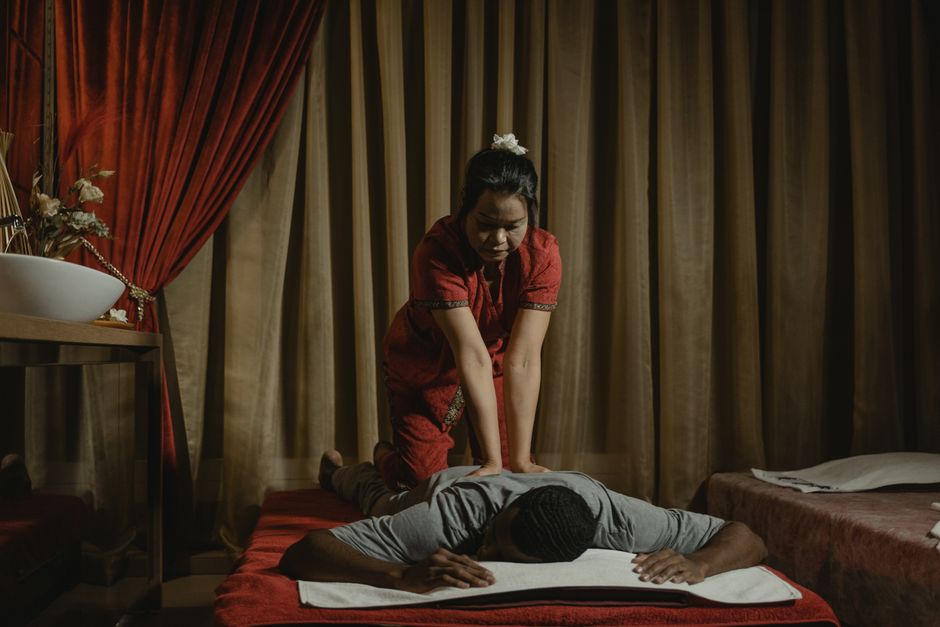
Thai massage isn’t your standard relax-and-drift-off experience. This is an active, participatory form of bodywork that engages both your body and mind. Rooted in ancient healing traditions, it weaves together assisted stretching, acupressure techniques, and rhythmic movements performed on a floor mat while you remain fully clothed.
What makes Thai massage unique is the therapist’s use of their entire body—not just their hands—to guide you through the experience. They’ll use their forearms, knees, feet, and body weight to apply pressure and create movement. This dynamic approach helps release tension stored in your muscles and joints while simultaneously improving your range of motion.
The practice draws wisdom from both Ayurvedic medicine and traditional Chinese healing systems. Therapists work along your body’s energy pathways, known as sen lines, with the belief that clearing these channels promotes healing and vitality throughout your entire system.
What Happens During Your Thai Massage Session
Walking into a Thai massage appointment for the first time can feel unfamiliar, but understanding the flow helps ease any nervousness. You’ll typically arrive and be offered comfortable clothing—usually loose pants and a simple shirt. After removing your shoes and settling onto a padded floor mat, you’ll have a brief conversation with your therapist about any injuries or sensitive areas.
Sessions typically last between 60 and 90 minutes. Your therapist will begin with gentle work on your lower body, gradually progressing upward. As they manipulate and stretch your limbs, you’ll move through various positions—some on your back, others on your side or stomach. The movements flow naturally from one posture to the next, creating an almost dance-like rhythm.
Quick tip: Focus on deep, steady breathing throughout your session. This helps your muscles relax and allows you to sink deeper into the stretches without tension.
Don’t be surprised if you experience some mild discomfort, especially during your first visit. This sensation typically indicates your body is being stretched beyond its usual range. As long as nothing feels sharp or painful, this is usually a positive sign that your flexibility is being enhanced. Communication is key—let your therapist know if anything feels genuinely uncomfortable.
As your session concludes, expect gentle rocking motions and a gradual return to stillness. Most people emerge feeling deeply relaxed, noticeably more limber, and surprisingly energized rather than drowsy.
Getting Ready: Simple Preparation Steps
Preparing for Thai massage doesn’t require much, but a few smart choices enhance your experience significantly. Eat something light about an hour beforehand—a banana, some nuts, or a light salad work well. Heavy meals can cause discomfort during the active stretching, so save your substantial dining for after your session.
Hydration matters tremendously. Drink plenty of water in the hours leading up to your appointment, as this helps your muscles respond better to stretching. Avoid caffeine and alcohol beforehand, as these can interfere with your ability to relax fully.
Wear or bring loose-fitting clothing that allows your limbs to move freely. Many facilities provide appropriate attire, but confirming this when you book ensures you’ll be comfortable. Most importantly, arrive with an open mind and willingness to be guided through unfamiliar movements.
Thai Massage Versus Western Massage: Key Differences
If you’ve experienced traditional Western massage, Thai massage will feel remarkably different. You won’t lie on a padded table under sheets, and your therapist won’t use oil or apply long, flowing strokes to your muscles. Instead, you’ll remain clothed on a mat, actively participating in guided stretches and movements.