The Undercut Revolution: Why Women Are Ditching Heavy Hair
What if the solution to your scalp problems and morning styling chaos was hiding at your local salon? The undercut hairstyle—once exclusively associated with edgy men’s cuts—has quietly become one of the most transformative trends for women seeking both style and practical relief.
An undercut works by removing significant volume from the sides or back of your head while preserving length on top. This simple geometric approach to hair design creates dramatic contrast and, more importantly, allows your scalp to finally breathe freely.
Why Your Scalp Might Be Crying for an Undercut
Think about what happens when you pile thick hair on top of your head day after day. The weight compresses against your scalp, trapping heat and moisture in pockets where bacteria and fungi love to thrive. This environment becomes a breeding ground for uncomfortable conditions including acne along your hairline, persistent dandruff, and general scalp irritation.
By strategically removing hair bulk from underneath, undercuts accomplish something remarkable: they restore airflow to your scalp. That improved circulation means less sweat accumulation, reduced oil buildup, and ultimately, a healthier scalp environment. For women dealing with dermatitis or chronic scalp sensitivity, this benefit alone can be life-changing.
Quick tip: If you have a sensitive scalp, mention this to your stylist before getting an undercut. They can adjust the clipper length and fade technique to ensure maximum comfort.
Style Meets Substance: The Fashion Advantage
Beyond the health benefits, undercuts offer something equally valuable: control over your image. The beauty of this cut lies in its versatility. You can style your longer top layers to completely conceal the undercut for professional settings, then sweep your hair back or tie it up for evenings out and reveal the bold statement underneath.
This flexibility means you’re not locked into one aesthetic. The same cut works for the corporate conference and the weekend music festival. It’s the ultimate hair chameleon move.
Four Undercut Styles to Consider
Side-swept elegance: One side of your head gets shaved or cut extremely short, typically starting just above the ear and extending upward. The opposite side and top remain longer, creating dramatic asymmetry. This style announces itself when you want it to but still works for everyday wear.
The secret undercut: Perfect for the commitment-phobic, this version hides beneath your regular hair layers. You control the reveal entirely—down for meetings, up for fun. It’s daring without demanding constant visibility.
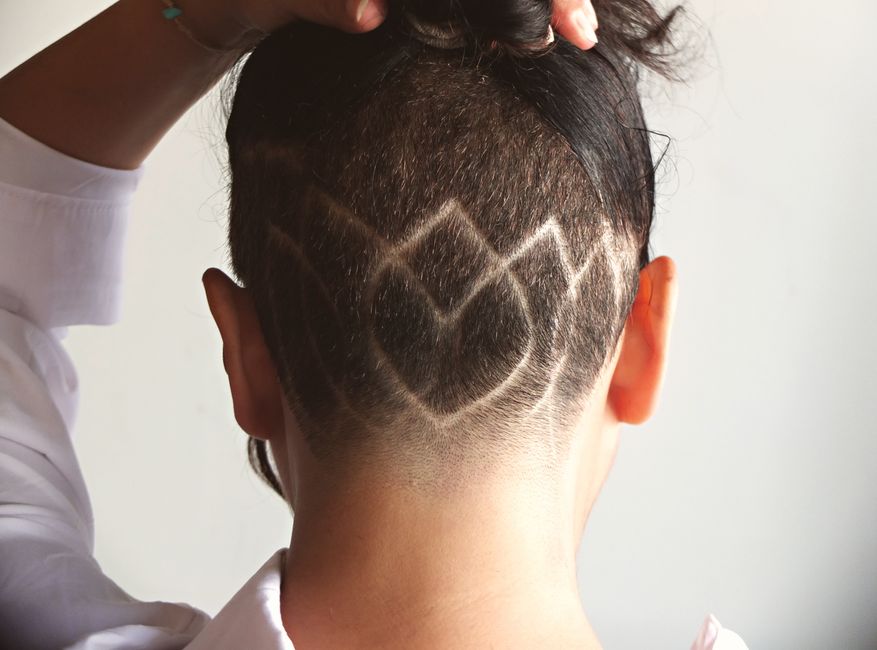
Artistic patterns: For those ready to make a real statement, design undercuts feature geometric shapes, abstract patterns, or even miniature artwork etched into the shaved sections. This transforms your undercut from practical choice to wearable art.
Gentle taper: If the fully shaved undercut feels too extreme, a tapered approach gradually transitions from very short near the ears to longer as it blends with the rest of your hair. It’s the undercut for people who like whispers instead of shouts.
The Time-Saving Magic Nobody Talks About
Here’s a seldom-mentioned benefit that might surprise you: undercuts dramatically reduce your daily styling demands. Without all that extra volume, your hair dries faster, requires less intensive heat styling, and generally behaves better. Those extra twenty minutes you spend blow-drying thick hair? Gone. The constant flatironing battle? Significantly reduced.
This time savings translates to less daily heat damage, which means healthier, stronger hair over time. You’re essentially getting a built-in protection plan against the very tools we use trying to manage excessive volume.
Making Your Undercut Decision
The transition from contemplating an undercut to actually getting one can feel intimidating. The key is finding a stylist who understands both the aesthetic possibilities and your lifestyle requirements. Bring reference photos, discuss how you typically style your hair, and be honest about your commitment level to styling versus your preference for low-maintenance looks.
Consider starting with a hidden undercut if you’re nervous about visibility. You