When Industrial Setbacks Reshape Defense Innovation
What happens when a critical testing facility goes offline without warning? For defense contractors relying on cutting-edge development timelines, the answer can mean months of delays and significant financial implications. A recent explosion at a rocket motor testing site in Mississippi has put exactly this scenario into sharp focus, highlighting the vulnerabilities that exist even within the most sophisticated aerospace supply chains.
Understanding the Impact on Rocket Motor Development
Anduril, a defense technology company known for its work on autonomous systems and advanced weaponry, operates testing facilities across multiple locations. The Mississippi site represents a crucial node in their rocket motor development network—a place where prototype designs transition from theoretical blueprints into tested, validated hardware. The facility’s role wasn’t merely administrative; it was operational, serving as the validation ground where military-grade propulsion systems prove their worth before deployment.
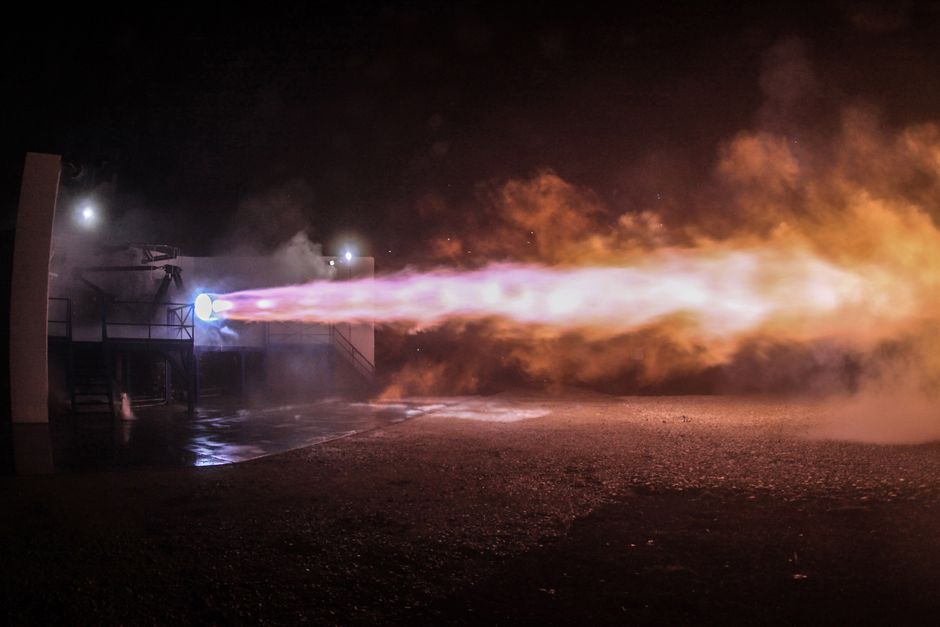
The explosion that damaged this facility serves as a sobering reminder that defense manufacturing involves inherent risks. Rocket motors operate under extreme pressure and temperature conditions. Testing them requires specialized infrastructure, redundant safety systems, and highly trained personnel. When such a facility suffers damage, the ripple effects extend far beyond the immediate site.
What This Means for Military Contracts and Timelines
Military procurement operates on rigid schedules. Services and defense departments plan acquisition strategies years in advance, and contractors commit to delivery windows measured in quarters and fiscal years. A disruption to testing capabilities creates immediate pressure across multiple fronts. Engineers must find alternative testing locations, potentially traveling and coordinating across different facilities. Prototype motors awaiting validation enter a queue, and critical testing slots disappear.
Did you know? The aerospace and defense sector follows some of the most stringent safety and quality protocols in any industrial sector, yet incidents still occur due to the inherently challenging nature of the work.
For Anduril specifically, the timing matters significantly. The company has positioned itself as an innovator in the defense space, competing for contracts against established aerospace giants. Any delay in demonstrating capability or delivering validated prototypes could affect their competitive standing. Military customers expect reliability not just in the products themselves, but in the development and delivery processes that bring those products to fruition.
The Broader Implications for Defense Supply Chains
This incident illuminates a vulnerability in the defense industrial base. While redundancy exists in some areas—contractors maintain multiple facilities and can sometimes shift work geographically—not all capabilities can be easily replicated. Specialized test stands, environmental chambers, and instrumentation represent significant capital investments. A facility damaged in an explosion may take months or longer to rebuild and recertify.
The Department of Defense has long expressed concerns about supply chain resilience. Incidents like this underscore why those concerns matter. When critical manufacturing or testing capacity goes offline, alternatives don’t materialize instantly. Whether a facility can be partially restored for limited operations or requires complete reconstruction affects the timeline for recovery and the ultimate impact on military readiness.
Moving Forward: Restoration and Resilience
The immediate focus following such incidents involves investigation and damage assessment. What caused the explosion? Were safety systems functioning as designed? Could anything have prevented the incident, or was it an inherent risk of the testing process? These questions matter for insurance, legal liability, and most importantly, for preventing similar incidents in the future.
Beyond investigation, Anduril faces decisions about facility restoration. Do they rebuild the existing site with enhanced safety measures? Do they establish alternative testing capacity elsewhere? Do they partner with other facilities? Each option carries distinct implications for cost, timeline, and operational capability.
The incident also serves as a catalyst for broader conversations within the defense industry about testing infrastructure, safety redundancy, and the investments needed to maintain a robust technological edge. In an era where near-peer competitors continuously advance their capabilities, lapses in development velocity can have strategic implications extending well beyond any single contract.
What lessons will emerge from this disruption? How the defense industry responds to facility setbacks, invests in resilience, and maintains momentum despite logistical challenges will shape innovation capabilities for years to come.