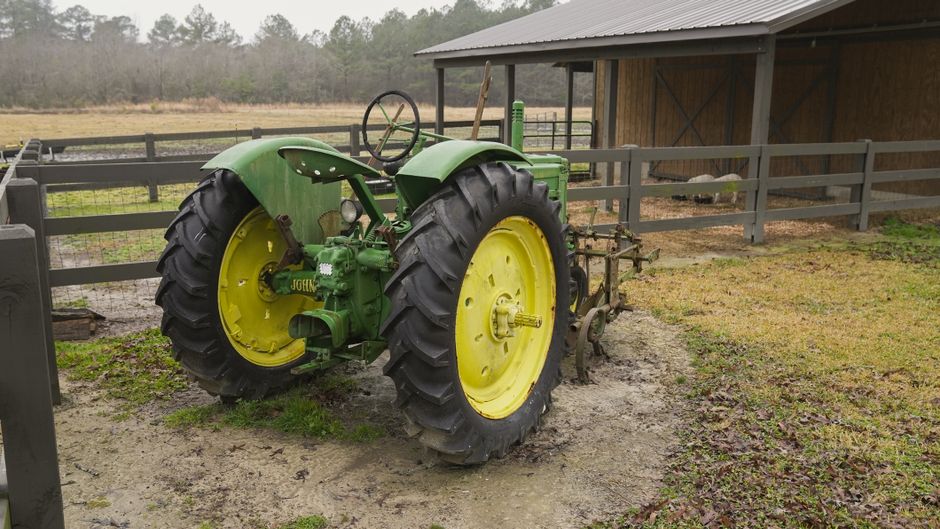
When Farmers Fight Back: Understanding the John Deere Right-to-Repair Victory
Imagine owning a piece of equipment worth hundreds of thousands of dollars, only to discover you’re not actually allowed to fix it yourself. This has been the frustrating reality for farmers across America for years. But in a landmark settlement with the Federal Trade Commission, John Deere finally agreed to change course—and it’s reshaping how we think about ownership and repair rights.
The Long Road to Justice
This didn’t happen overnight. For more than a decade, agricultural communities have been pushing back against restrictive repair policies that gave manufacturers complete control over maintenance and fixes. Farmers found themselves locked out of their own equipment, forced to pay premium prices for authorized service centers or watch their machinery sit idle during critical seasons.
The core issue? John Deere and similar manufacturers had used software locks and proprietary systems to prevent independent repairs. They argued this protected intellectual property and ensured equipment safety. But farmers saw it differently—they viewed it as unfair monopolistic control over products they’d purchased outright.
Did you know? The right-to-repair movement extends far beyond farming. It encompasses everything from smartphones to home appliances, with consumers everywhere demanding the freedom to fix what they own.
What Changed and Why It Matters
The FTC settlement requires John Deere to provide farmers with access to diagnostic tools, repair manuals, and parts needed for equipment maintenance. This isn’t just about convenience—it’s about economic survival for agricultural operations. When a tractor breaks down during harvest season, every day of downtime costs money. Now farmers can work with independent repair shops or perform fixes themselves without violating warranty terms.
Beyond the immediate practical benefits, this victory establishes important legal precedent. It signals that manufacturers cannot indefinitely lock consumers out of their own products through software restrictions. The settlement demonstrates that persistent advocacy, combined with regulatory pressure, can overcome even the largest corporate interests.
Ripple Effects Across Industries
What happens in agriculture rarely stays confined to farming. This settlement has already inspired similar demands from other sectors. Electronics manufacturers, appliance makers, and automotive companies are facing increased scrutiny over their repair restrictions. Consumers everywhere are asking: if farmers can access repair tools for their equipment, why can’t we do the same for our devices?
The momentum is building. More state legislatures are considering right-to-repair legislation. Consumer advocacy groups continue pushing for expanded access to repair resources. And companies are beginning to realize that fighting these demands may be more costly in the long run than simply allowing repairs.
The Bigger Picture
This isn’t really about John Deere or any single company. It’s about fundamental questions of ownership and control. When you buy something, do you truly own it? Or do you merely license it under terms dictated by the manufacturer? The FTC settlement leans toward the former, suggesting that ownership means something real.
There’s also an environmental angle worth considering. Keeping equipment operational through repairs, rather than forcing premature replacement, reduces waste and extends product lifecycles. Farmers can be stewards of their land while also being stewards of resources.
Quick tip: If you own equipment from any manufacturer, document your purchase carefully and understand your warranty terms. The landscape is shifting, but knowing your rights—and the limits—helps you navigate this transition.
Looking Forward
The John Deere settlement represents a turning point, but the movement isn’t finished. Advocates continue pushing for stronger protections and broader application of these principles. Will manufacturers voluntarily expand repair access, or will it take additional regulatory action? The coming years will reveal how seriously companies take this shift.
For farmers who have long felt powerless against manufacturer restrictions, this victory tastes like vindication. For everyone else watching from the sidelines, it offers hope that sometimes persistence pays off—even against the biggest corporations in the world.