The Quiet Crisis: Why Your Body Might Be Screaming for More Protein
You wake up exhausted. Your nails keep breaking. You catch every cold that goes around your office. But here’s the thing—you probably aren’t thinking about protein as the culprit. Most of us assume protein deficiency is something that happens to other people in other places, not something that could be silently affecting our health right now.
The reality? While severe protein deficiency is uncommon in developed countries, mild to moderate insufficiency is more prevalent than many realize. And the symptoms? They’re sneaky. They masquerade as other problems, hiding in plain sight while your body desperately tries to tell you something’s wrong.
The Hidden Signs Your Body Needs More Protein
Protein isn’t just about building muscle. It’s the fundamental building block for virtually every cell, enzyme, and hormone in your body. When you’re not getting enough, your entire system starts to show strain—sometimes in unexpected ways.
Constant, Nagging Hunger
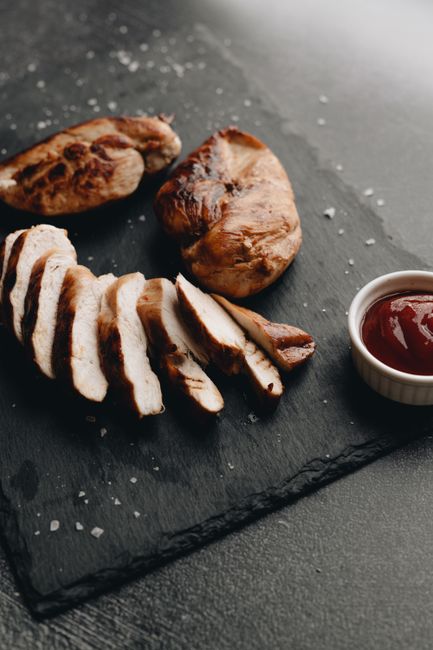
Ever notice how you can demolish a large carb-heavy meal and feel hungry again an hour later? That’s likely because you’re missing adequate protein. Protein is the most satiating macronutrient, meaning it keeps you feeling full longer than carbs or fats alone. If you’re perpetually reaching for snacks despite eating enough calories, your body might be signaling that it needs more protein-rich foods. Try incorporating chicken breast, Greek yogurt, eggs, or legumes into each meal to stabilize your appetite and energy levels.
Your Hair, Skin, and Nails Are Changing
Brittle nails that crack and split. Hair that seems thinner or lacks its usual shine. Skin that feels perpetually dry and flaky no matter how much moisturizer you use. These aren’t necessarily signs of aging—they’re often your body’s way of conserving protein for essential functions and pulling it away from cosmetic tissues. When protein is scarce, your body prioritizes survival over appearance, which means your hair, skin, and nails suffer first.
Your Muscles Are Getting Weaker
You don’t need to be a bodybuilder to notice muscle loss. Perhaps you’ve realized that stairs feel harder to climb, or carrying groceries isn’t as easy as it used to be. Muscle mass naturally decreases with age, but inadequate protein dramatically accelerates this process. Without sufficient protein, your body can’t maintain or build muscle tissue, leading to weakness that extends far beyond the gym.
You’re Fighting Off More Infections
Your immune system is essentially an army, and protein is the ammunition. Antibodies and immune cells are protein-based structures. When your protein intake drops, your body’s ability to mount an effective immune response weakens. If you’ve noticed you’re catching colds more frequently or that infections linger longer, insufficient protein could be the underlying issue.
Brain Fog and Fatigue Won’t Quit
Feeling unusually tired or having trouble concentrating? Protein plays a crucial role in neurotransmitter production—the chemicals that regulate mood, focus, and energy. Low protein intake can leave you feeling mentally foggy and physically exhausted, even after adequate sleep.
Swelling in Your Extremities
In severe cases of protein deficiency, fluid retention and swelling can occur as your body struggles to maintain proper osmotic balance. While this is rare in the developed world, it’s still worth monitoring, especially if you notice unexplained puffiness in your legs, ankles, or hands.
How to Rebuild Your Protein Foundation
The good news? Addressing protein deficiency is straightforward. Start by diversifying your protein sources: lean meats like turkey and chicken, fatty fish rich in omega-3s, eggs, beans, lentils, tofu, nuts, and whole grains. Spread protein throughout your day rather than concentrating it in one meal—your body will utilize it more effectively.
Quick tip: Start your day with a protein-rich breakfast. Adding eggs, Greek yogurt, or cottage cheese can set the tone for better satiety and energy