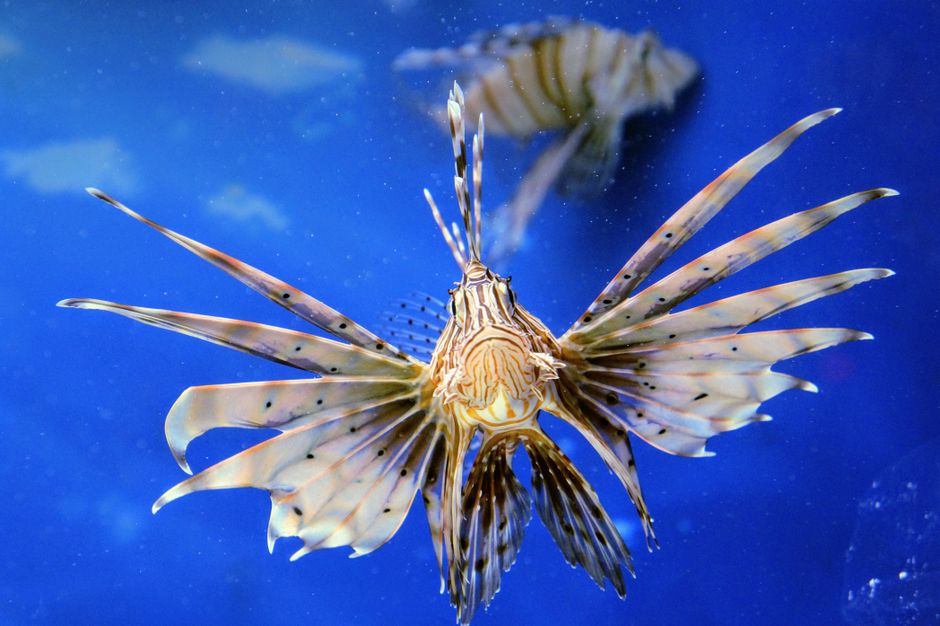
The Unexpected Hero of Florida’s Coastal Ecosystem: The Lionfish
When most people think of environmental conservation efforts, they picture scientists in labs or activists planting trees. But on Florida’s Emerald Coast, the most effective conservation strategy might just be happening at the dinner table. An unlikely alliance between recreational spearfishers, marine biologists, and seafood enthusiasts has turned an invasive species problem into both an ecological victory and a culinary sensation.
Why Lionfish Are Public Enemy Number One
Native to the Indo-Pacific region, lionfish have become an unprecedented threat to Florida’s marine ecosystem. With no natural predators in Atlantic waters and a voracious appetite for native fish species, these striped invaders reproduce rapidly and devastate local fish populations. A single lionfish can consume up to 60 small fish per day, making them ecological disasters in our own backyard.
Traditional management methods have proven ineffective. But Florida’s spearfishing community discovered something remarkable: turning the problem into a solution through targeted harvesting tournaments.
From Tournament Waters to Gourmet Plates
The annual Emerald Coast lionfish spearfishing tournaments have become increasingly popular, attracting both experienced and amateur hunters. What makes these events truly special isn’t just the competitive spirit—it’s the aftermath. Thousands of lionfish are removed from vulnerable reef systems each year, and remarkably, they’re too delicious to waste.
Chefs across the region have embraced lionfish as a premium ingredient. When properly prepared, lionfish flesh is delicate, flaky, and surprisingly versatile. Its mild flavor profile allows it to shine in everything from ceviche and fish tacos to elegant pan-seared entrées. High-end restaurants now feature lionfish on their menus, marketing it as both a sustainable choice and a gastronomic adventure.
The Numbers Behind the Success
Since these tournaments began gaining traction, hundreds of thousands of lionfish have been harvested from Florida waters. Each removal directly protects native species and helps restore ecological balance. Local marine research shows measurable improvements in reef health in areas with active lionfish removal programs.
The economic benefits extend beyond the dinner plate. Tournament participants spend money on equipment, travel, and accommodations. Restaurants investing in lionfish offerings attract curious diners, creating new culinary destinations. Local fishing guides have added lionfish hunts to their offerings, providing additional income streams.
A Model for Environmental Action
What makes Florida’s lionfish initiative so compelling is its elegant simplicity. Instead of expensive, labor-intensive removal programs relying solely on government funding, this approach harnesses market forces and human passion. People participate because they enjoy the sport, the competition, or the opportunity to dine on something unique and sustainable.
Whether you’re a skilled spearfisher or someone who simply appreciates good seafood, lionfish represent an opportunity to make a tangible environmental difference. Every lionfish removed from Florida’s waters is a victory for native species and reef ecosystems.
Getting Involved
The beauty of the lionfish solution is that participation comes in many forms. Experienced spearfishers can join tournaments, while casual diners can support the cause by ordering lionfish at participating restaurants. Some visitors even book guided lionfish hunting expeditions as part of their Florida vacation.
The Emerald Coast demonstrates that environmental conservation doesn’t always require sacrifice. Sometimes the most effective solutions are ones that bring communities together around shared goals—even if those goals come with a delicious reward.