The Hidden Cost of Convenience: It’s Not Just What’s Inside
When you grab a packaged snack at the grocery store, you probably glance at the nutrition label and move on. But emerging research reveals something unsettling: the way food is manufactured might be just as harmful as its ingredient list. While we’ve long focused on sodium, sugar, and saturated fat content, scientists are now discovering that the industrial processing itself creates unique health risks that traditional nutritional analysis doesn’t capture.
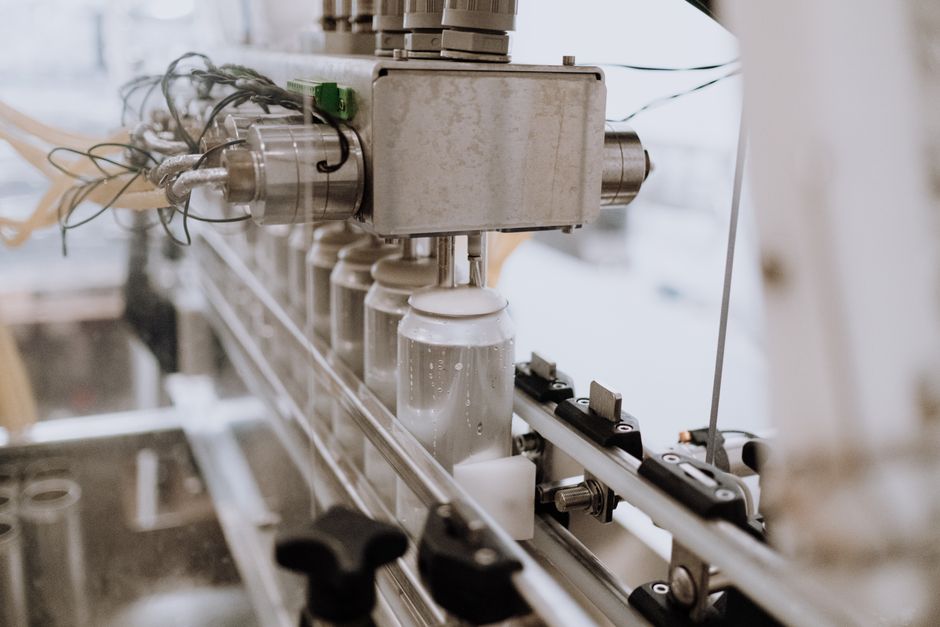
The manufacturing process of ultra-processed foods involves techniques that fundamentally alter food at a cellular level. These methods—including extrusion, hydrogenation, and high-temperature processing—don’t just preserve shelf life and enhance flavor. They actually transform the very structure of the food in ways that our bodies recognize as foreign. This structural damage, combined with synthetic additives and packaging chemicals, creates a perfect storm for metabolic dysfunction.
What Happens During Industrial Food Processing?
When manufacturers transform whole foods into ultra-processed products, several concerning changes occur. High-heat treatments destroy beneficial compounds like antioxidants and phytonutrients that protect our health. The mechanical breakdown of foods damages their natural fiber structure, making them easier to absorb rapidly—which spikes blood sugar and insulin levels.
Industrial processing also introduces substances never intended for human consumption. Chemical emulsifiers, artificial preservatives, and synthetic flavorings accumulate in the body over time. Even packaging materials leach concerning compounds into the food itself. These industrial chemicals interact with our digestive system in ways we’re only beginning to understand.
Did you know? Many ultra-processed foods contain up to 15 different additives, some of which have minimal long-term safety testing in humans.
The manufacturing process strips foods of their nutritional complexity. Whole grains become refined flour. Natural oils become trans fats. Fruits become concentrated sugars. What remains is a product engineered to be hyperpalatable—designed to override your body’s natural satiety signals—making overeating almost inevitable.
The Research That Changes Everything
Recent scientific investigation has uncovered something remarkable: even when researchers account for calories, sugar content, and sodium levels, ultra-processed foods still show associations with worse health outcomes. This suggests that processing itself plays an independent role in health deterioration. People consuming higher amounts of processed foods display elevated markers for blood pressure, cholesterol imbalance, and metabolic dysfunction—regardless of whether they’re carefully counting nutritional metrics.
This finding fundamentally challenges how we think about food safety and nutrition policy. It’s no longer enough to simply reduce problematic ingredients. We need to reconsider the manufacturing methods themselves.
Simple Whole Foods Recipe: Homemade Energy Bites
Here’s a nutritious alternative you can make in minutes—no industrial processing required.
Prep Time: 15 minutes | Chilling Time: 30 minutes | Servings: 12 bites
Ingredients:
- 1 cup rolled oats (not instant)
- ½ cup natural almond butter
- ⅓ cup raw honey
- ½ cup unsweetened cocoa powder
- ¼ cup ground flaxseed
- 1 teaspoon vanilla extract
- Pinch of sea salt
Instructions:
- Combine all ingredients in a large mixing bowl.
- Stir thoroughly until the mixture holds together when pressed.
- Refrigerate for 30 minutes to firm up the mixture.
- Roll into 12 equal balls, roughly the size of walnuts.
- Store in an airtight container in the refrigerator for up to two weeks.