Transform Your Daily Walk Into a Powerhouse Workout
What if the simplest fitness hack was hiding in plain sight? You already walk—whether it’s to the mailbox, around your neighborhood, or during your lunch break. What if you could turn those everyday steps into a comprehensive strength and cardio session without stepping foot in a gym?
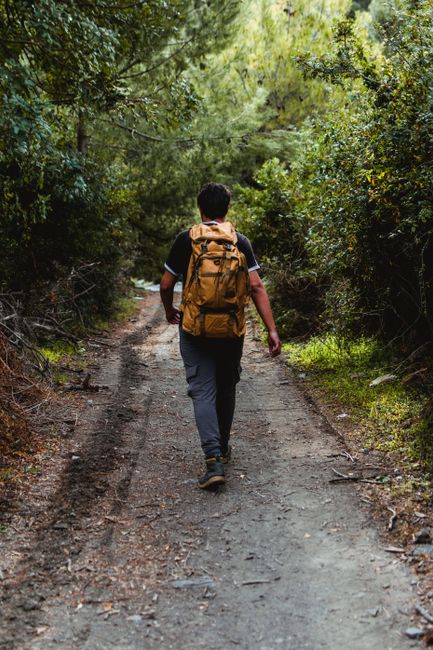
Welcome to rucking: the military-inspired training method that’s quietly revolutionizing how everyday people approach fitness. By adding weight to your walks, you’re not just getting your steps in—you’re building a stronger, more resilient body with minimal equipment and maximum flexibility.
How Rucking Works: Simple Science, Powerful Results
At its core, rucking is elegantly straightforward. You put on a weighted backpack and walk. That’s it. No complicated movements, no fancy footwork, no need to memorize a routine. The beauty lies in its simplicity and effectiveness.
What happens physiologically is where things get interesting. When you add external weight to your body and move, your muscles must work harder to stabilize and propel you forward. Your legs don’t just push—they fight against gravity and load. Your core engages continuously to maintain posture and balance. Your back muscles activate to support the weight. Even your cardiovascular system gets challenged as your heart works to fuel this additional effort.
Unlike traditional weightlifting, rucking keeps you moving steadily, creating a hybrid workout that blends resistance training with cardiovascular conditioning. You’re building muscle while simultaneously improving aerobic capacity—two fitness goals accomplished in one activity.
The Real-World Benefits You’ll Actually Experience
Beyond the technical muscle-building advantages, rucking delivers practical benefits that integrate seamlessly into real life. Your posture improves as your body learns to carry load efficiently. Climbing stairs becomes noticeably easier. Carrying groceries or picking up kids feels less taxing. This is functional fitness—the kind that makes everyday life better.
The calorie-burning potential is substantial. The combination of added weight and extended duration means you’re torching calories throughout your workout, not just during intense intervals. For people seeking weight loss or maintenance, rucking provides consistent, sustainable results without the joint impact of running.
Quick tip: The best rucking backpack should have padded shoulder straps and a hip belt to distribute weight evenly and reduce strain on your shoulders and lower back.
Perhaps most compelling is the accessibility factor. Rucking doesn’t require expensive equipment, gym memberships, or special facilities. You need a sturdy backpack and something to add weight—sand, books, or specialized weight plates all work. You can ruck anywhere: your neighborhood, local trails, parks, even while doing other activities like walking your dog or accompanying kids to school.
Starting Your Rucking Journey the Right Way
Beginning rucking requires minimal preparation but maximum attention to smart progression. Start conservatively with weight representing about 10 to 15 percent of your body weight. This might feel light initially, but it ensures your body—particularly your joints and connective tissues—adapts properly to the new stimulus.
Focus on movement quality over everything else. Keep your shoulders relaxed and pulled back. Engage your core throughout the walk, as if you’re bracing gently before catching something heavy. Maintain an upright posture rather than slouching forward. These positioning cues prevent injury and maximize muscle engagement.
Progress gradually. Once your body adapts—typically after two to three weeks of consistent rucking—you can increase either the weight or the distance, but not both simultaneously. This measured approach allows continuous improvement while minimizing injury risk.
Essential Safety Considerations
While rucking is low-impact compared to running, it’s not consequence-free. Always listen to your body’s signals. Pain indicates something’s wrong and demands attention, whether that’s reducing weight, shortening distance, or adjusting your backpack’s fit.
Hydration becomes especially important with added weight. Your body works harder and generates more heat, increasing fluid losses. Bring water on all but the shortest sessions. Wear shoes designed for walking or hiking with adequate support and cushioning. The combination of added weight and extended duration demands more from your feet and ankles than normal walking.