Breaking the 20-Year Sunscreen Drought: What You Need to Know
When was the last time you saw a truly revolutionary sunscreen hit the American market? If you can’t remember, that’s because it’s been over two decades since the FDA approved a new sunscreen ingredient. But that’s changing. The regulatory agency has just greenlit bemotrizinol, a game-changing UV filter that’s been quietly protecting millions of people in Europe and Asia for years. The question is: why did Americans have to wait so long?
This breakthrough represents more than just a new product on pharmacy shelves. It signals a shift in how the FDA approaches consumer protection and innovation, finally bringing American sunscreen options in line with what international markets have been enjoying. For anyone concerned about melanoma, premature aging, or simply looking for a sunscreen that actually feels pleasant to wear, this news deserves attention.
Understanding the Gap in Protection
The sunscreen landscape in the United States has felt stale for years. While European and Asian consumers benefited from advanced UV filters offering superior protection and elegant formulations, Americans remained limited to older technologies. Bemotrizinol changes this equation by providing genuine broad-spectrum coverage across both UVA and UVB wavelengths at relatively low concentrations, meaning lighter, more pleasant formulations without sacrificing effectiveness.
What makes bemotrizinol particularly noteworthy is its photostability—the ingredient doesn’t degrade when exposed to sunlight, unlike some older filters. This stability translates directly to consistent protection throughout the day, even as you’re outside enjoying the summer. Additionally, the ingredient demonstrates minimal absorption through the skin, addressing one of the concerns that sometimes makes consumers hesitant about chemical sunscreens.
Quick tip: Look for “broad-spectrum” on your sunscreen label with SPF 30 or higher, and apply about one ounce (roughly a shot glass full) for proper full-body coverage.
Why This Matters for Your Skincare Routine
The cosmetic elegance of sunscreens matters more than you might think. If a product feels heavy, greasy, or leaves a white cast on your skin, you’re less likely to apply it correctly or reapply as recommended. Bemotrizinol enables manufacturers to formulate lighter, more cosmetically pleasing products that people actually enjoy using consistently. This might seem like a small detail, but consistent sun protection is arguably the most important factor in preventing both skin cancer and premature aging.
For those with sensitive skin, bemotrizinol presents another advantage. The risk of irritation is lower compared to some alternative UV filters, making it suitable for a broader range of skin types. Whether you have reactive skin, rosacea, or simply prefer gentler formulations, this ingredient opens new possibilities.
When Will You See These Products?
Expect to see the first sunscreens featuring bemotrizinol—marketed under the brand name PARSOL Shield—arriving in the United States by the end of 2026. While this might feel like a wait, remember that this ingredient has been proven safe and effective across European and Asian markets for decades, so the science is already well-established.
This FDA approval also represents something broader: a modernization of how the agency approaches over-the-counter products. By streamlining the approval process through mechanisms established by regulatory reform, the FDA has demonstrated that innovation and safety don’t have to be mutually exclusive. The hope is that this sets a precedent for faster approval of other beneficial ingredients that have proven track records internationally.
The Basics of Smart Sun Protection
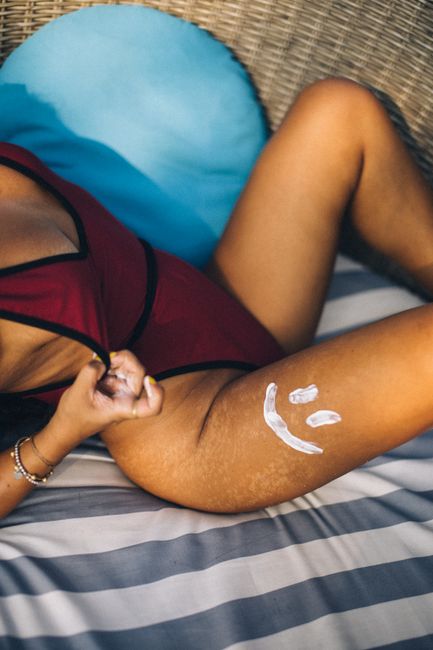
While we wait for bemotrizinol-based products to arrive, remember that the best sunscreen is the one you’ll actually use consistently. Apply sunscreen about fifteen minutes before heading outside, and reapply every two hours—more frequently if you’re swimming or sweating. Don’t forget often-missed areas like your ears, the back of your neck, your hands, and the part in your hair.
The sun protection journey has finally taken a step forward in America. Soon, you’ll have access to the same advanced protection that Europeans and Asians have been enjoying for years. Until then, stick with broad-spectrum options and smart sun habits.