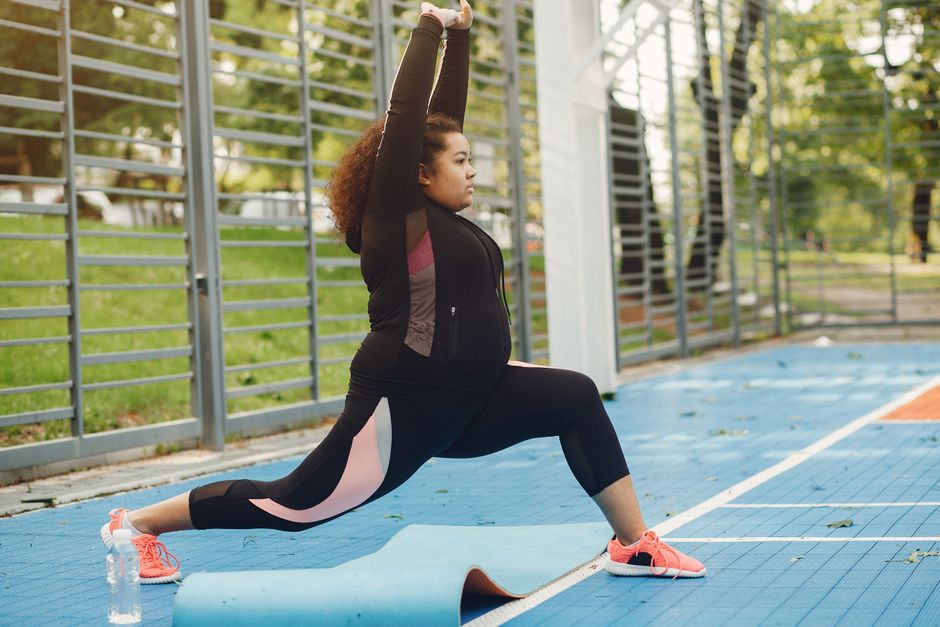
Can Yoga Really Help You Lose Weight? The Answer Might Surprise You
When most people think about weight loss, they picture high-intensity cardio classes or strict dieting regimens. Yet one of the most transformative practices for managing weight has been around for thousands of years: yoga. The question isn’t whether yoga can help you shed pounds—it’s how this ancient practice creates such profound changes in your body and mind.
Did you know? People who practice yoga consistently report not just physical changes, but a fundamental shift in how they relate to their bodies and food choices.
The Dual Power of Physical and Mental Transformation
Yoga works on two fronts simultaneously. Physically, the practice builds lean muscle, increases flexibility, and boosts your metabolic rate. When you move through poses like warrior sequences and planks, you’re engaging multiple muscle groups while bearing your body’s weight. This combination creates a calorie-burning effect that continues even after you roll up your mat.
But the real magic happens in your mind. Yoga cultivates mindfulness—that quality of being present and aware. This awareness naturally extends to your eating habits. When you practice mindfulness, you naturally slow down during meals, notice your body’s hunger and fullness signals, and make more intentional food choices. You begin tuning in rather than tuning out.
The stress-relief component cannot be overstated. Many people eat in response to stress and anxiety, reaching for comfort foods without conscious thought. Yoga’s breathing techniques and meditative elements calm your nervous system, reducing the urge to stress-eat and replacing it with genuine self-care.
Building a Sustainable Practice for Real Results
The path forward starts with realistic expectations. If you’re new to yoga, your first class won’t look like an Instagram post featuring advanced practitioners in gravity-defying poses. That’s perfectly fine—and actually, that’s not what progress looks like anyway.
Begin by committing to just two or three sessions per week. This frequency allows your body to adapt while giving you time to recover and integrate the practice into your life. Choose beginner-level classes specifically designed for people starting their yoga journey. Most instructors actively encourage modifications and adaptations, so don’t hesitate to ask for alternatives that suit your current fitness level.
Starting at home removes pressure and self-consciousness. Countless free resources online feature instructors who specialize in making yoga accessible to all body types. Once you build confidence and familiarity with basic poses, you can gradually explore different styles and more challenging classes.
Quick tip: Set an intention before each practice—something like “I’m honoring my body’s strength” or “I’m choosing wellness today.” This mental anchor keeps you connected to your deeper motivation beyond appearance.
Creating a Comprehensive Wellness Strategy
While yoga offers remarkable benefits, sustainable weight management involves multiple elements working together. Think of yoga as the anchor of your practice, but complement it with other lifestyle factors.
Pairing your yoga routine with consistent cardiovascular exercise amplifies calorie expenditure. Even brisk walking on alternate days from your yoga sessions contributes meaningfully to your overall activity level. Similarly, prioritizing quality sleep supports your body’s natural metabolic processes and reduces cravings that emerge from fatigue.
Nutrition plays an equally crucial role. Focus on whole foods that fuel your body adequately—plenty of vegetables, proteins, whole grains, and healthy fats. When your nutrition aligns with your yoga practice, you create powerful synergy. Your improved body awareness from yoga helps you recognize which foods actually make you feel good versus which ones leave you sluggish.
Overcoming Common Barriers
Concerns about fitting in or feeling judged are valid but often unfounded. The yoga community, at its heart, embraces inclusivity. Everyone in a beginner’s class is there for their own reasons and personal journey. No one is comparing or judging—they’re focused on their own mats and their own growth.
If group settings still feel uncomfortable, there’s zero shame in practicing privately at home until you build confidence. Your practice is valid regardless of where it happens. What matters is showing up consistently and treating yourself with compassion as you progress.
Your Next Step Forward