Can You Really Build Muscle Without Meat? The Vegetarian Bodybuilding Truth
Picture this: a rippling physique, powerful muscles, and impressive strength gains—all achieved without ever touching a chicken breast or salmon fillet. Sound impossible? Think again. The vegetarian bodybuilding movement is thriving, and it’s time to debunk the myth that you need animal flesh to build serious muscle.
The challenge isn’t whether it’s possible—it absolutely is—but rather understanding the strategic approach required to maximize your results. While omnivorous bodybuilders can grab a quick protein source almost anywhere, vegetarian athletes need a more deliberate game plan. The good news? With proper nutrition knowledge and commitment, you can achieve the physique you’re after while staying true to your dietary values.
Mastering Protein Intake: Your Foundation for Growth
Protein is non-negotiable for muscle development, and this becomes even more critical when you’re excluding meat from your diet. Most vegetarian bodybuilders should aim for approximately 0.73 to 1 gram of protein per pound of body weight daily. That translates to roughly 110 to 150 grams for someone weighing 150 pounds.
The beauty of vegetarian protein sources lies in their diversity and nutritional density. Tofu and tempeh serve as foundational soy-based proteins that work in virtually any cooking method—from stir-fries to grilling. Lentils and chickpeas offer not just protein but also substantial fiber content that supports satiety and digestive health. Quinoa stands apart as a complete protein containing all essential amino acids, making it particularly valuable for muscle synthesis.
Did you know? Many plant-based proteins actually contain beneficial compounds like polyphenols and antioxidants that animal proteins lack, supporting overall recovery and reducing inflammation.
For lacto-ovo vegetarians, Greek yogurt and eggs become powerful allies. Greek yogurt delivers concentrated protein with minimal fat, while eggs provide choline and vitamin D—nutrients crucial for neurological function and bone health. Don’t overlook nuts and seeds either; almonds, pumpkin seeds, and hemp seeds pack surprising protein quantities alongside healthy fats that support hormone production.
Timing and Frequency: The Protein Distribution Strategy
Simply hitting your daily protein target isn’t enough. Your body absorbs and utilizes protein more efficiently when distributed strategically throughout the day. Aim to consume meaningful protein at each meal and snack, ideally every three to four hours.
This approach maximizes muscle protein synthesis—the process where your body actually constructs new muscle tissue. A breakfast featuring oatmeal topped with almond butter and chia seeds, followed by a mid-morning snack of Greek yogurt with berries, then a lentil-based lunch creates consistent amino acid availability that your muscles need for optimal growth.
Beyond protein timing, maintain awareness of your total calorie intake and macronutrient balance. Muscle growth requires a caloric surplus combined with appropriate ratios of carbohydrates and fats. Carbs fuel your workouts and replenish muscle glycogen, while healthy fats support testosterone and other anabolic hormones essential for gains.
Smart Supplementation for Vegetarian Athletes
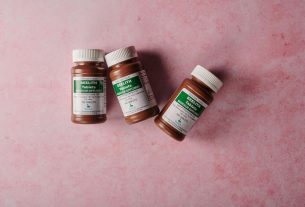
While whole foods should form your nutrition foundation, strategic supplementation can fill gaps that diet alone might miss. Creatine supplementation has demonstrated particular value for plant-based athletes, supporting muscle energy production and providing additional benefits compared to meat-eating counterparts who obtain some creatine from dietary sources.
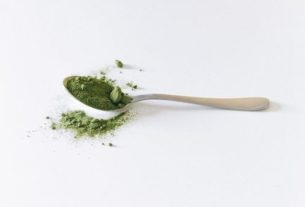
Plant-based protein powder offers convenience, especially post-workout when your muscles demand rapid amino acid delivery. Choose products with third-party verification seals indicating quality and purity standards. A scoop mixed with banana and almond milk creates a quick recovery drink.
Vegetarian diets sometimes fall short in vitamin B12 and iron, nutrients that are more bioavailable in animal products. A quality multivitamin addresses these potential deficiencies. Consult your healthcare provider about whether supplementation makes sense for your specific situation before starting any new supplement regimen.
Building Your Vegetarian Bodybuilding Plate
Successful vegetarian bodybuilding hinges on meal planning that delivers consistent nutrition without monotony. Your breakfast