Walking Where Stories Take Root
What draws a novelist to the forest? For many writers, the answer lies not in the quiet solitude alone, but in the layers of human experience embedded within ancient trees and winding trails. The Allegheny Highlands of Pennsylvania represent something far deeper than a hiking destination—they’re a living archive of narratives waiting to be discovered by those willing to listen.
The Landscape as Character
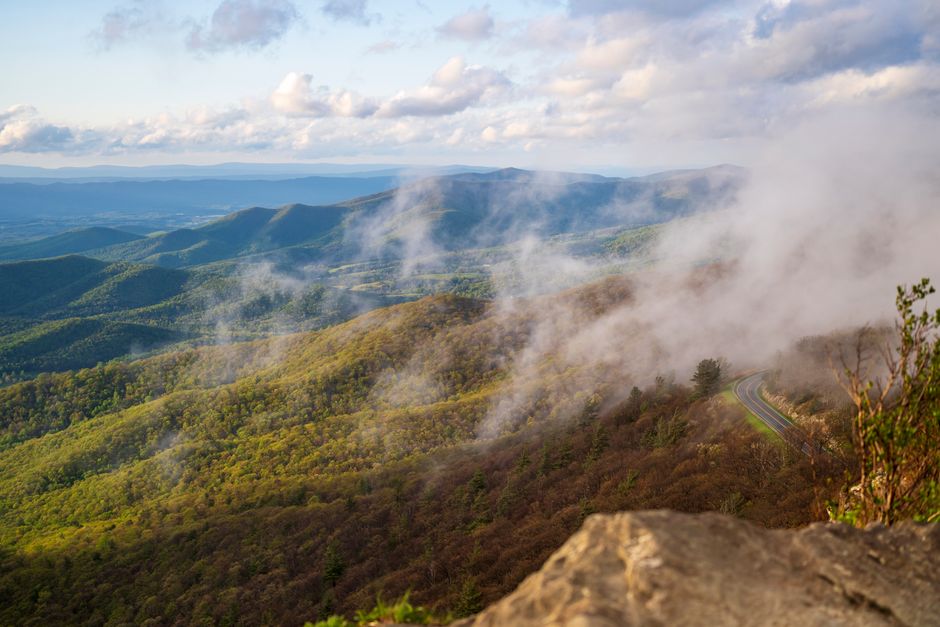
The Appalachian region has long captured the imagination of artists and storytellers. These mountains don’t simply exist; they resonate with the echoes of generations who built lives within their valleys. Every stream crossing, every ridge summit, and every weathered cabin foundation tells a story about resilience, struggle, and adaptation. When a writer ventures into this terrain, they’re not just exercising their body—they’re conducting research in the most immersive way possible.
The physical act of hiking through Appalachia creates an intimate connection with place that no armchair research could replicate. Your legs carry you over the same ground where coal miners once walked to work, where frontier families carved out homesteads, and where contemporary communities continue to thrive and transform. This embodied experience becomes the foundation for authentic storytelling.
Memory, Trail, and Time
Hiking isn’t a linear activity, and neither is the process of uncovering historical narratives. As you move through the highlands, you might encounter overlapping timelines—a Revolutionary War marker hidden beside a modern forestry sign, or a family cemetery surrounded by second-growth forest. These juxtapositions create a unique kind of temporal vertigo that forces reflection on how the past shapes the present.
Quick tip: Bring a sturdy journal and pencil on your hikes. The physical act of writing observations by hand, even brief notes, helps cement memories and story ideas in ways that digital recording sometimes doesn’t.
The sensory experience matters immensely. The smell of wet leaves, the sound of birds overhead, the particular quality of light filtering through deciduous trees in spring versus autumn—these details become the texture of narrative. Writers who hike understand that stories aren’t built from facts alone but from the accumulated sensory impressions that make a place feel real and alive to readers.
Preparing for the Journey
Serious hiking through mountainous terrain requires genuine preparation. Before heading into the Allegheny Highlands, establish a reasonable fitness baseline and invest in proper footwear. The terrain varies significantly—some trails are well-maintained paths while others demand careful navigation and scrambling over rocky sections.
Nutrition becomes important on longer hikes. Pack energy-rich foods that won’t spoil quickly: nuts, dried fruit, whole grain bars, and jerky provide sustained fuel without requiring refrigeration. Bring more water than you think you’ll need. Hydration affects both physical performance and mental clarity, and dehydration can diminish your ability to absorb the experiences around you.
Stories Within Stories
What makes the Allegheny Highlands particularly compelling for narrative purposes is the way contemporary life intertwines with historical echoes. You might hike past a thriving community garden tended by descendants of Appalachian families, or encounter a renewable energy project attempting to reshape the region’s economic future. These present-day stories don’t erase the past—they build upon it, creating layers of meaning that resonate through the landscape.
For writers and readers alike, there’s something transformative about walking through terrain that holds so much human history. The mountains teach patience. They remind us that stories don’t resolve neatly but continue unfolding across generations, shaped by the choices of individuals navigating landscapes both literal and metaphorical.
Whether you’re drawn to Appalachia as a hiker seeking natural beauty or as a curious mind pursuing narrative inspiration, these ancient highlands offer something increasingly rare in our fast-paced world: the opportunity to slow down, pay attention, and listen to what the landscape and its people have to teach us.