The Future of Flight: How America Could Welcome Supersonic Travel Again
Imagine stepping onto a commercial aircraft and crossing the continental United States in just a few hours—without the earth-shattering boom that once made supersonic flight so controversial. This isn’t science fiction anymore. The Federal Aviation Administration is seriously considering new regulations that would permit supersonic airliners to operate over populated areas, provided they meet strict noise standards that would make them virtually inaudible to people on the ground.
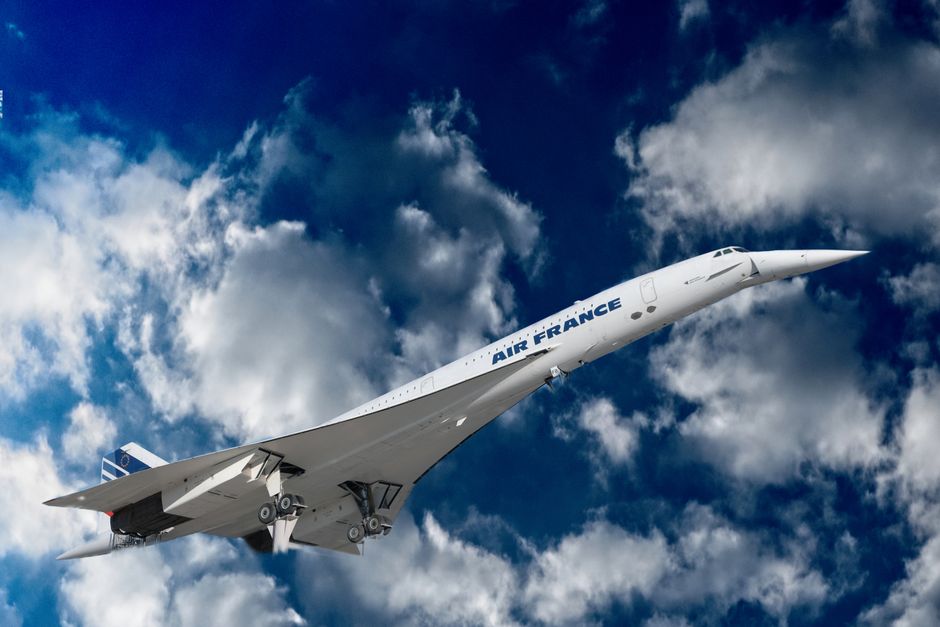
For decades, the sonic boom has been the ultimate deal-breaker for supersonic aviation in the civilian world. When the Concorde operated between 1969 and 2003, it was restricted from flying supersonically over land precisely because of this issue. But technology has evolved dramatically, and so has our understanding of how to manage aircraft noise.
Redefining What “Quiet” Means for Supersonic Flight
The FAA’s proposal hinges on a fascinating engineering challenge: making supersonic aircraft that don’t produce the traditional boom we associate with breaking the sound barrier. Modern aeronautical designers have developed techniques to reshape sonic booms into quieter pressure waves—essentially spreading out the sound energy so it doesn’t arrive as one jarring shock.
Did you know? The sonic boom isn’t a one-time event but actually two shock waves: one from the nose of the aircraft and one from the tail. Clever aircraft design can minimize both.
These innovations mean that a supersonic jet could theoretically pass overhead without producing the characteristic explosive sound that made neighborhoods cringe during Concorde-era test flights. Instead, people might hear a gentle rumble or whisper—comparable to conventional aircraft noise.
What This Means for Commercial Aviation
The regulatory shift could open an entirely new chapter in air travel. With supersonic flights over cities now potentially permitted, transcontinental routes could shrink flight times from five or six hours to two or three. International travel could be similarly transformed. Companies already developing next-generation supersonic jets are watching these regulatory developments closely.
However, the path forward isn’t entirely straightforward. The FAA must balance several competing interests: promoting technological innovation, protecting environmental quality, managing noise pollution, and ensuring public safety. The agency’s proposal reflects an attempt to thread this needle—allowing progress while maintaining the quality of life for those on the ground.
Environmental and Economic Considerations
There’s more to this story than just noise. Fuel efficiency and emissions present their own challenges for supersonic flight. Aircraft designed for supersonic travel have different aerodynamic requirements than subsonic jets, which can affect fuel consumption. Developers are working on sustainable aviation fuels and more efficient engine designs to address these concerns.
From an economic standpoint, supersonic travel could command premium ticket prices, making it accessible primarily to business travelers and affluent passengers initially. As technology matures and manufacturing scales up, costs might eventually decrease—though that remains speculative.
The Road Ahead
The FAA’s proposal marks a crucial moment in aviation history. If approved, these new regulations would represent the first time in modern history that supersonic commercial flight would be permitted over populated American territory. Approval doesn’t mean supersonic jets will suddenly fill the skies—aircraft still need to be built, tested, and certified. But it removes a significant regulatory barrier that has stood for half a century.
Whether this signals a genuine renaissance for supersonic travel or remains a niche offering for the wealthy remains to be seen. What’s clear is that aviation’s future is being written in regulatory boardrooms right now. The question isn’t just whether supersonic flight can be quiet enough—it’s whether society is ready to embrace the speed of tomorrow.