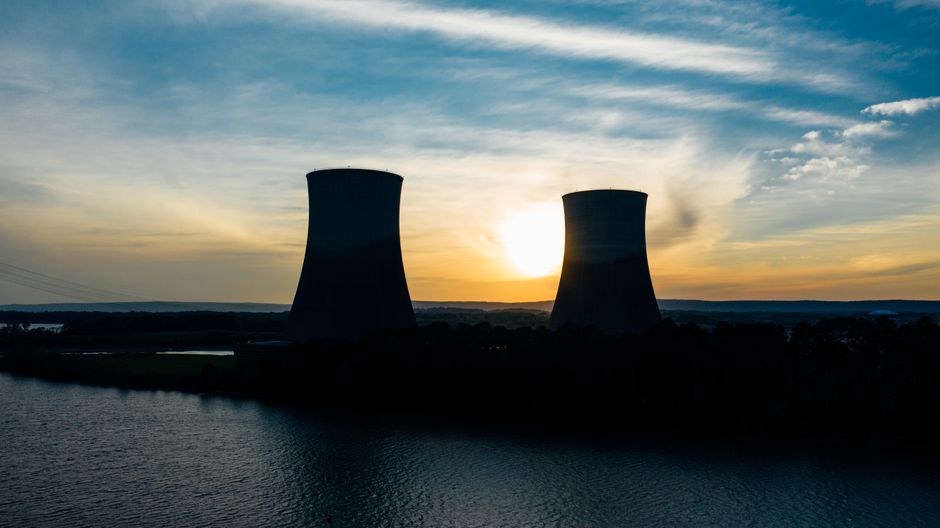
The Nuclear Comeback Nobody Expected (Yet)
When was the last time you heard someone genuinely excited about nuclear energy? If you can’t remember, you’re not alone. For decades, nuclear power has occupied an awkward middle ground in our cultural imagination—feared by some, dismissed by others, forgotten by most. But something unexpected is happening in laboratories and industrial parks across the country, and it might just reshape how we think about clean energy for the next century.
Three emerging nuclear technology companies recently announced they’re moving forward with new reactor designs, and while the headlines frame this as a celebration, the reality is more nuanced. Yes, these milestones matter. No, they’re not the energy revolution we’ve been promised—at least not yet.
What These Milestones Actually Mean
Let’s start with what’s genuinely impressive here. Getting regulatory approval and moving toward operational deployment of a new reactor design is no small feat. These companies have navigated years of engineering challenges, regulatory scrutiny, and investor skepticism. The technical achievement is real, and the engineering teams deserve recognition for persistence in an industry that doesn’t reward quick wins.
The designs themselves represent meaningful innovation. We’re talking about smaller, more modular reactors that promise greater flexibility than traditional massive nuclear plants. Some incorporate passive safety features that could make them inherently more secure. Others promise reduced operational costs and shorter construction timelines. On paper, these improvements address legitimate criticisms that have haunted nuclear energy for years.
Did you know? The nuclear industry has been pursuing “small modular reactor” concepts for over two decades, but this is the first time they’ve made it this far through the regulatory process.
Why the Celebration Deserves Skepticism
Here’s where we need to pump the brakes on the optimism. Moving from design approval to actual electricity generation is a massive leap, and history suggests these companies will encounter obstacles they haven’t anticipated. Construction costs have a tendency to balloon. Timeline estimates are notoriously optimistic in the energy sector. Regulatory hurdles that seemed solved can resurface in new forms.
More importantly, even when these reactors do come online, they’ll represent a drop in our energy bucket. We’re talking about machines that will generate meaningful amounts of power, yes, but at a scale that won’t measurably shift our energy landscape for years or decades. If we’re serious about decarbonization, we need solutions that work at scale now, not technologies that might mature in ten years.
The economics remain uncertain too. While these companies promise lower costs than traditional reactors, they haven’t yet proven it at commercial scale. And competing renewable technologies—solar, wind, battery storage—continue improving at remarkable rates. The cost advantage that might exist in theory could evaporate in practice.
The Bigger Picture
That said, dismissing these developments would be a mistake. Nuclear energy occupies a unique position in our clean energy portfolio. It runs constantly, unlike renewables. It takes up minimal land compared to solar or wind farms. It produces zero carbon emissions during operation. In a world genuinely committed to eliminating fossil fuels, we probably need multiple solutions working in parallel.
These startups matter not because they’re about to revolutionize electricity generation next year, but because they’re proving that innovation in nuclear is possible. They’re attracting venture capital and talent to a sector that desperately needed fresh thinking. They’re demonstrating that the regulatory system can accommodate new approaches. They’re keeping alive the possibility that nuclear energy could play a meaningful role in our clean energy future.
Looking Forward
The Fourth of July celebrations planned by these companies are worth acknowledging without being worth overdoing. These teams have achieved something real. They’ve moved the needle on nuclear innovation at a time when progress felt stalled.
But let’s be honest about what we’re celebrating: the beginning of a test, not the arrival of a solution. The real milestone will come years from now, when these reactors are humming along, generating power reliably, and proving that next-generation nuclear technology can compete economically in a world dominated by renewables and storage solutions.
Until then, these companies deserve recognition for proving that nuclear energy’s story isn’t over. Just remember—it’s still very much being written.