The Magnetic Revolution: Why Wireless Charging Has Finally Become Essential
Remember when wireless charging felt like a luxury feature? Today, it’s practically a necessity. Whether you’re juggling an iPhone, an Android device with Qi2 compatibility, or both, the right magnetic charger can transform how you keep your devices powered throughout the day. The landscape of wireless charging has evolved dramatically, offering solutions that fit every lifestyle—from your nightstand to your car dashboard to your travel backpack.
Understanding MagSafe and Qi2 Technology
Before diving into specific charger types, let’s clarify what makes modern magnetic charging different. MagSafe, Apple’s proprietary technology, offers seamless alignment and secure attachment for iPhones. Qi2, on the other hand, is an open standard that brings similar magnetic convenience to compatible Android phones. Both technologies eliminate the frustration of precise positioning and ensure your device charges efficiently every time you pick it up.
Quick tip: Not all wireless chargers are created equal. Look for certification marks that indicate your charger meets safety and efficiency standards.
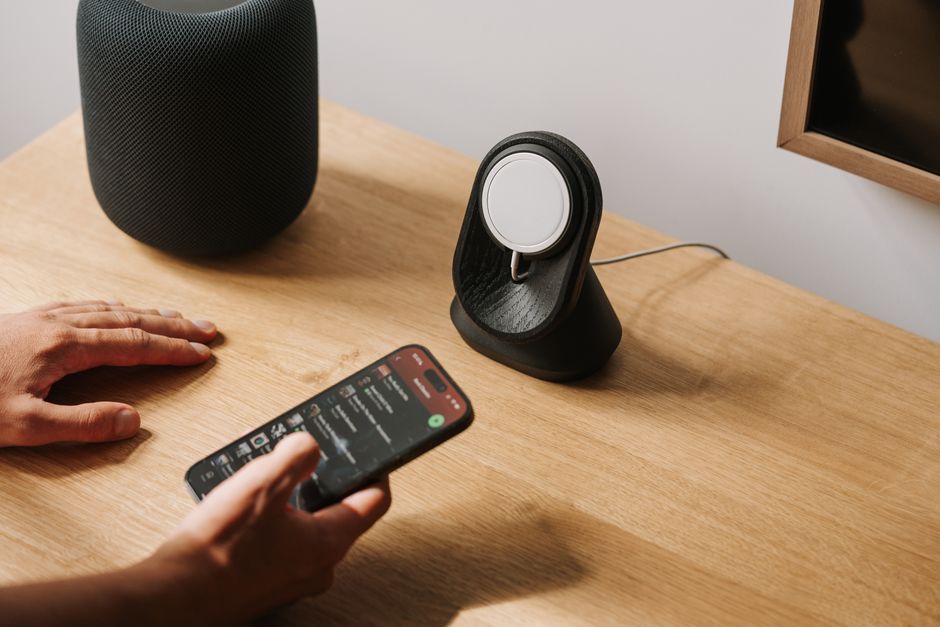
Charging Stands: Desktop Power Meets Aesthetics
A quality charging stand serves double duty—it tops up your battery while keeping your phone visible and accessible. Modern stands cater to different preferences: some angle your device for video watching, others maintain a compact footprint for minimalist desks. The best options accommodate both phones and tablets, making them versatile additions to any workspace. Look for stands with adjustable angles if you frequently video call or stream content while charging.
Charging Pads: Simplicity in Its Purest Form
If you prefer a no-fuss approach, charging pads deliver exactly that. These flat, unobtrusive surfaces work silently in the background—whether tucked beside your bed, sitting on a shelf, or positioned on a coffee table. They’re perfect for overnight charging and require minimal maintenance. The appeal lies in their simplicity: drop your phone on the pad, and it charges. No stands, no alignment hassles, just straightforward power delivery.
Power Banks: Charging Freedom Unleashed
Wireless charging power banks represent the ultimate in portability. These compact devices let you recharge your phone anywhere—during your commute, at the airport, or while hiking. Look for power banks with adequate capacity to fully charge your device at least once, and consider models that support fast charging for when you need a quick top-up before heading out.
Car Chargers: Power on Your Commute
Dashboard and vent-mounted magnetic chargers transform your vehicle into a charging station. They keep your phone accessible for navigation while topping up your battery during drives. When selecting a car charger, ensure it’s compatible with your vehicle’s air vent style and offers secure mounting that won’t obstruct your view. Some models include additional USB ports for charging passengers’ devices simultaneously.
Travel Chargers: Compact and Powerful
Frequent travelers need chargers that prioritize portability without sacrificing performance. Compact wireless charging solutions that pack into carry-ons or backpacks can include foldable stands, ultra-slim pads, or multi-device power banks. The goal is maintaining convenience while minimizing luggage space.
Did you know? Many wireless chargers now support simultaneous charging of multiple devices, allowing you to power your phone, watch, and earbuds from a single pad or stand.
Finding Your Perfect Match
Your ideal wireless charger depends on your daily habits. Are you stationary most of the day? A desktop stand or pad serves you best. Constantly on the move? Invest in a portable power bank or car charger. Traveling frequently? Look for compact, multi-purpose solutions that don’t weigh down your luggage.
The wireless charging market has matured into offering genuine choices rather than gimmicks. Whether you prioritize aesthetics, functionality, portability, or speed, solutions exist that align with your needs and budget. The key is identifying which charging scenarios matter most to you, then selecting accordingly. What does your ideal charging setup look like?