The Montana Mystery: Where Did Dutton Ranch Actually Film?
Have you ever wondered why the landscapes in Yellowstone’s successor series feel so cinematically raw and authentic? The answer lies in the carefully selected filming locations that bring the Dutton family drama to life. Unlike the sprawling Montana vistas you might expect, the production team ventured to multiple states to capture the perfect blend of rural tension and landscape drama.
Montana’s Competing Claims
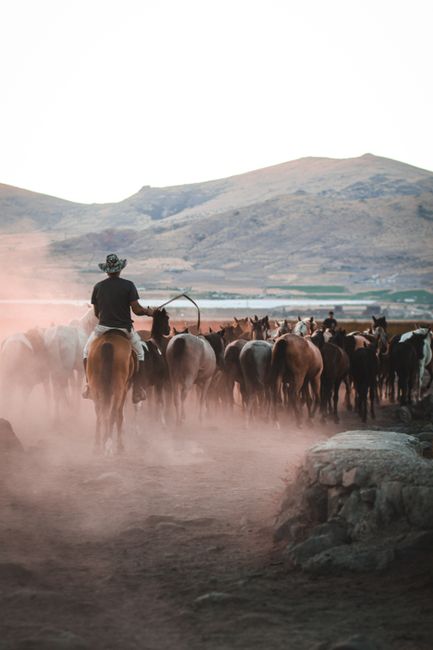
While the narrative centers on the fictional Dutton Ranch in Montana, the actual filming tells a more complex story. Production crews did utilize genuine Montana locations, particularly around the Paradise Valley region near Livingston. However, these weren’t the primary settings. Instead, the team used Montana as a complement to their broader filming strategy, capturing establishing shots and exterior scenes that ground viewers in the authentic Montana experience that made Yellowstone such a visual sensation.
The decision to film partially in Montana honors the franchise’s roots while acknowledging the practical realities of modern television production. Local crews, existing infrastructure, and the unmistakable quality of Montana’s natural light made it an essential component of the production puzzle.
Beyond Montana’s Borders
The real surprise comes when you discover the extensive use of Utah and other western states. The Utah locations provided dramatic red rock formations and desert landscapes that contrast beautifully with traditional ranch imagery. These locations offered flexibility for the production team to create the claustrophobic tension that defines the Dutton family’s storyline, even as Beth ventures away from the ranch.
The production’s strategy reflects a modern approach to franchise filmmaking. Rather than restricting themselves to a single state, the creative team cherry-picked locations across the western United States, assembling a visual tapestry that feels both authentic and cinematically heightened. This approach allows storytellers to follow characters like Beth as she leaves Montana’s relative safety, only to discover that geographical distance offers no escape from the consequences of her past decisions.
The Technical Reality of Ranch Productions
Shooting on active or semi-active ranch properties presents unique challenges. Production designers must work around existing structures, livestock, and seasonal weather patterns. Many of the interior ranch scenes were actually filmed on sets constructed in soundstages, allowing directors greater control over lighting and camera movement. This hybrid approach—mixing genuine locations with controlled studio environments—has become standard practice for prestige television dramas.
Did you know? Modern television productions often spend more time in post-production editing locations together than they do filming in a single location. What appears seamless to viewers might actually be a combination of five different geographical areas.
Following the Characters Across States
As Beth’s storyline unfolds beyond the ranch itself, the filming locations shift dynamically. Her journey away from Montana, while attempting to outrun her complicated history, required the production to film in urban settings and transitional landscapes. This geographical expansion mirrors her emotional arc—the farther she travels from home, the more inescapable her past becomes.
The production team understood that the ranch itself isn’t just a physical location; it’s a character shaped by the landscape surrounding it. Whether filming in Montana, Utah, or elsewhere, every location choice serves the narrative purpose of emphasizing both the beauty and the danger inherent in the Dutton world.
What This Means for Viewers
Understanding where scenes were filmed enhances appreciation for the visual storytelling at work. The seamless integration of multiple locations creates an immersive world that feels entirely cohesive, even when audiences don’t consciously register the geographical transitions. This technical mastery allows viewers to focus on character development and plot momentum rather than distraction from inconsistent backdrops.
The next time you watch Beth navigate her world beyond Montana’s ranch country, consider the complexity of locations stitched together to create that experience. From Utah’s dramatic landscapes to genuine Montana ranches, each frame contributes to a larger visual narrative about consequence, family, and the impossibility of escape.