The Creatine-DHT Connection: Separating Fact From Gym Gossip
You’ve probably heard the whispers at the gym: take creatine and you’ll lose your hair. It’s the kind of claim that makes fitness enthusiasts pause mid-scoop, wondering if bigger muscles are worth a receding hairline. But is this fitness urban legend actually rooted in science, or just another supplement scare story?
The answer is more nuanced than a simple yes or no. While creatine supplements may influence hormone levels in ways that theoretically could affect hair growth, the evidence remains frustratingly inconclusive. Let’s explore what we actually know and what remains speculative.
Understanding Creatine and DHT
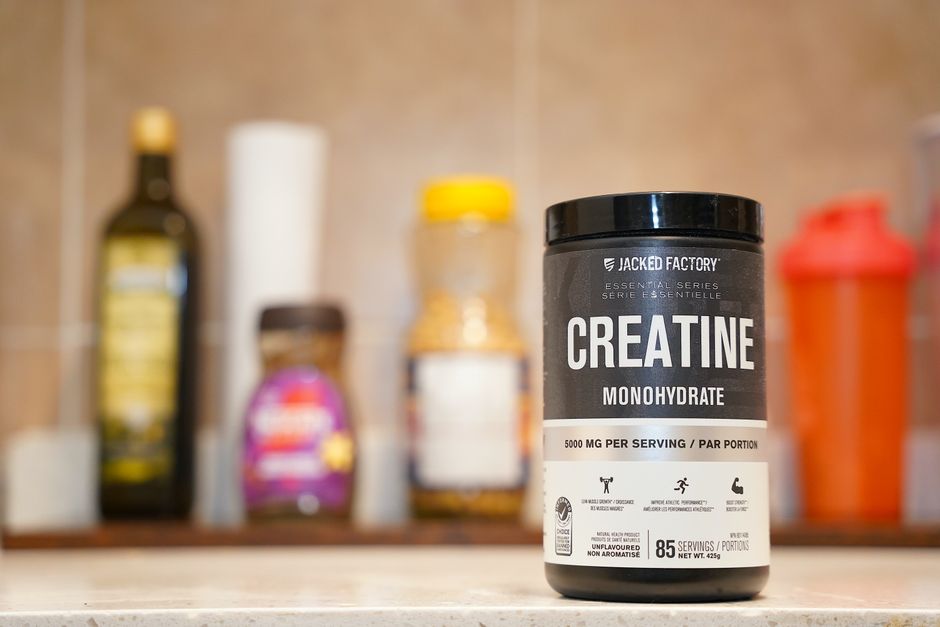
Creatine is a compound your muscles naturally produce to generate energy during intense exercise. When you supplement with creatine monohydrate, you’re essentially topping off your muscle’s fuel tank, allowing you to push harder during workouts and potentially recover better.
The hair loss concern centers on DHT, or dihydrotestosterone, a hormone derived from testosterone. For people genetically susceptible to male pattern baldness, DHT can shrink hair follicles and shorten the growth cycle. The theory goes: if creatine increases DHT, then creatine might accelerate hair loss in predisposed individuals.
Quick tip: You can naturally boost creatine intake through food sources like beef, salmon, and pork before considering supplements. This allows you to assess your individual response without high doses.
What the Research Actually Shows
A single 2009 study examining rugby players found that high-dose creatine supplementation correlated with elevated DHT levels. The findings were striking—DHT increased substantially in the first week—but here’s the critical issue: these results have never been successfully replicated in subsequent research.
This is a crucial distinction. One study, regardless of its findings, doesn’t establish causation or represent scientific consensus. Without repeated confirmation from independent researchers, we can’t definitively say that creatine causes DHT elevation in most users.
Additionally, intense exercise itself elevates testosterone and DHT naturally. Determining whether creatine supplementation contributes uniquely to hormone changes, separate from the effects of hard training, remains an open question.
Your Genetics Are the Real Game-Changer
Even if creatine does modestly increase DHT, whether you experience hair loss depends largely on your genetic blueprint. Variations in your androgen receptor gene determine how sensitive your hair follicles are to DHT’s effects.
Think of it like this: DHT affects everyone, but it only causes noticeable hair loss in those genetically programmed to respond to it. You could have elevated DHT levels and maintain a full head of hair, or experience hair loss with average DHT levels, depending on your inherited androgen receptor sensitivity.
If baldness runs in your family, you should be more cautious about factors that might elevate DHT. If your relatives all retained their hair well into old age, creatine supplementation presents minimal concern regarding hair loss, even if it does influence DHT.
The Bigger Picture: Overall Safety and Side Effects
Beyond the hair-loss debate, creatine has a solid safety track record for healthy individuals using it long-term. The supplement doesn’t pose risks to kidney or liver function in people without pre-existing conditions, contrary to popular misconceptions.
What you will likely experience is water retention. Creatine pulls water into muscle cells, which means you’ll gain a few pounds initially and may experience some bloating as your body adjusts. This isn’t dangerous, but it’s worth expecting.
However, if you have kidney disease, liver disease, or high blood pressure, creatine isn’t appropriate without medical supervision. The same applies if you’re taking medications that affect fluid balance or kidney function.
Making Your Decision
Should you take creatine? That depends on your priorities, genetic risk factors, and overall health. The honest answer is that a theoretical connection to DHT elevation exists, but documented hair loss directly caused by creatine supplementation