Are You Really Using Your Fitbit Air to Its Full Potential?
Most people who own a Fitbit Air device use maybe thirty percent of its capabilities. They check their step count, glance at their heart rate, and call it a day. But beneath that simple interface lies a treasure trove of features designed to transform your fitness journey. The question is: are you unlocking them?
Beyond just fitness tracking, your device can become a comprehensive wellness companion when you know the right tricks. Whether you’re struggling with strap comfort during workouts or missing out on advanced analytics, these ten hacks will revolutionize how you interact with your wearable.
Customizing Your Dashboard for Maximum Impact
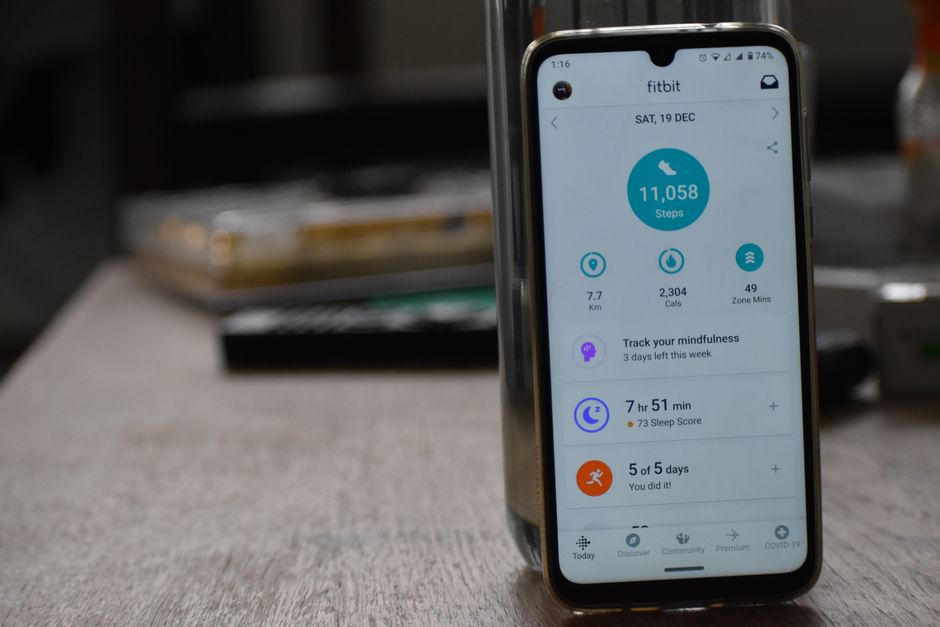
Your Fitbit Air app home screen doesn’t have to show generic metrics. Spend ten minutes customizing which tiles appear first. Prioritize the stats that matter most to your goals—whether that’s sleep quality, stress management, or calorie burn. This simple reorganization means you’ll actually notice patterns instead of scrolling past irrelevant data. Rearrange these tiles seasonally as your fitness priorities shift.
The Strap Comfort Game-Changer
Here’s something manufacturers won’t tell you: wearing your tracker too tight reduces accuracy while causing skin irritation, but wearing it too loose defeats the purpose. The sweet spot is snug enough to maintain contact with your wrist, yet loose enough to slide one finger underneath. If you experience irritation, try rotating your device to a different wrist position daily, or consider wrapping a thin breathable fabric around your wrist before strapping on your tracker during intense workouts.
Quick tip: Let your wrist breathe for at least two hours daily. This prevents sweat accumulation and allows your skin to recover, making long-term wear infinitely more comfortable.
Unlocking Sleep Insights Nobody Talks About
Your device tracks sleep stages—light, deep, and REM—but most users never examine this data. Open your sleep history and look for patterns. Are you consistently missing deep sleep? That might mean you need a cooler bedroom or less caffeine in the afternoon. REM sleep variations can indicate stress levels. By analyzing these trends weekly, you’ll discover exactly what environmental and behavioral changes actually improve your sleep quality.
Smart Phone Integration Secrets
Connect your Fitbit Air to your smartphone’s health app for a unified wellness ecosystem. This allows automatic syncing of water intake, nutrition, and workout data from other apps. Set up notifications for movement reminders, but customize the frequency—hourly prompts annoy most people, while reminders every two hours maintain motivation without fatigue. Disable notifications during sleep hours to prevent disruptions.
Mastering Workout Logging for Accurate Calorie Tracking
Manual workout logging seems tedious, but it’s your secret weapon for accuracy. Your device’s auto-detection misses non-standard exercises. Logging yoga, swimming, or weight training manually ensures your calorie calculations stay honest. When you consistently log workouts, patterns emerge showing which activities genuinely elevate your heart rate and which barely move the needle.
Nutrition Syncing Without the Obsession
Link your device with nutrition tracking apps, but don’t become enslaved to calorie counting. Use this feature as an awareness tool for one week monthly, then step back. This prevents the mental exhaustion many experience with constant food logging while still providing periodic reality checks about your eating patterns. Focus on whole foods and balanced meals rather than obsessing over exact numbers.
Did you know? Your Fitbit Air can help identify how different foods affect your sleep and energy levels when you casually note what you eat and track your subsequent sleep quality.
Breathing and Stress Tracking for Daily Resilience
Your device includes guided breathing exercises specifically calibrated to your heart rate. Use these during stressful moments, not just when you’re already panicking. Practicing when calm builds the habit, making it accessible during actual stress. Even three minutes of guided breathing daily can noticeably lower your resting heart rate over weeks.
Challenge Yourself and Others Strategically