The Hickey Timeline: What’s Really Happening Under Your Skin
Ever wonder why a hickey transforms from deep purple to sickly yellow over the course of a week? It’s not magic—it’s biology. Understanding what your body is doing during each stage of hickey healing can help you manage these unexpected love marks more effectively and maybe even speed up their departure.
The Science Behind the Mark
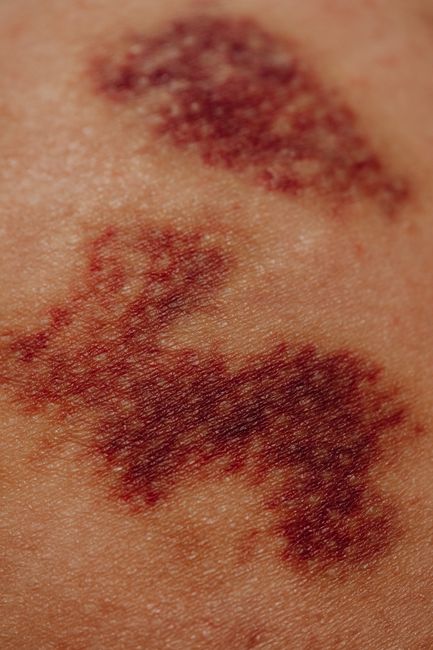
Let’s start with what a hickey actually is. When someone sucks on your skin intensely, they’re creating suction that ruptures tiny blood vessels called capillaries. Blood pools beneath the surface, creating a bruise that’s medically known as a subdermal contusion. Your skin immediately responds with inflammation, which is why that initial mark appears so dark and prominent—sometimes within minutes of the kiss.
The key factor determining how severe your hickey becomes is the force applied and the sensitivity of your skin. Some people bruise more easily than others, which explains why one person might develop a faint mark while their partner ends up with a noticeable blotch.
Following the Color Transformation
If you’ve ever tracked a hickey’s progression, you’ve witnessed an unexpected color palette. The journey typically unfolds like this:
Days 1-2: Your hickey announces itself in bright red or deep purple. This vivid coloring comes directly from the oxygenated hemoglobin in pooled blood.
Days 3-5: As your body begins metabolizing the blood, the color shifts to darker shades of blue and purple. This is when the hickey often looks worst, creating that “I got attacked” appearance that sends people scrambling for turtlenecks.
Days 6-10: Green and brown tones emerge as hemoglobin breaks down into biliverdin and bilirubin. While these colors might seem odd, they’re actually signs your body is actively healing.
Days 11+: The hickey fades to a pale yellow or tan before disappearing entirely. Your immune system’s white blood cells have been working overtime to clear away the cellular debris, and increased blood circulation helps flush out the remaining pigments.
Quick tip: The darker your skin tone, the less visible color changes may be throughout the healing process, though the underlying timeline remains similar regardless of ethnicity.
Accelerating the Healing Process
While you can’t make a hickey disappear overnight, you can influence how quickly it fades. The first 48 hours are crucial for intervention.
Cold therapy should be your first move. Apply ice packs, frozen spoons, or cold gel packs to the affected area for 10-15 minutes at a time, several times throughout the day. This constricts blood vessels and prevents additional blood from pooling, potentially reducing the bruise’s intensity and size.
After the first two days, switch your approach entirely. Heat now becomes your ally. Warm compresses increase blood circulation to the area, helping your body clear away the pooled blood more efficiently. Use them for similar durations—10-15 minutes, multiple times daily—to gradually improve blood flow and nutrient delivery to the healing tissue.
Beyond temperature therapy, topical treatments with natural ingredients like comfrey may help reduce discoloration for some people. Apply any cream or ointment gently, avoiding aggressive rubbing that could cause further irritation.
Concealment Strategies That Work
If you need your hickey less visible immediately, makeup offers a practical solution. Full-coverage concealer or foundation that matches your skin tone can significantly reduce visibility, especially when set with powder to prevent smudging. Layer carefully rather than applying thick coats, which can look obvious.
For those who prefer non-makeup options, strategically chosen clothing works wonders. Scarves, turtlenecks, collared shirts, and even certain necklace styles can effectively hide the mark while appearing completely natural.
Prevention Through Communication
The most effective hickey management strategy happens before one appears. Clear communication with your partner about preferences around visible marks prevents awkward situations and unwanted bruising. Some people enjoy the play