When Your Skin Sends an SOS: 6 Warning Signs You Can’t Ignore
Have you ever dismissed a persistent skin issue, assuming it would disappear on its own? Most of us have. But what if that stubborn rash, unexplained itchiness, or mysterious bump is actually your body’s way of signaling something that requires professional attention? Your skin is remarkably communicative—you just need to learn its language.
While occasional breakouts and seasonal dryness are normal parts of life, chronic or recurring skin symptoms often indicate underlying conditions that deserve medical evaluation. The key difference? Persistent problems that don’t respond to standard home remedies or keep returning after brief improvement. Understanding these warning signs can help you know when it’s time to book that dermatologist appointment.
The Itch That Won’t Quit
Imagine scratching your skin until it becomes raw, yet the sensation never truly goes away. This is the reality for many people living with eczema, particularly atopic dermatitis. While occasional itchiness might result from dry winter air or a new laundry detergent, persistent itching—especially when accompanied by inflammation, redness, or scaling—suggests something more complex is happening beneath the surface.
Allergic reactions can also trigger relentless itching as your body’s immune system responds to an irritant. Whether it’s a fabric, a skincare ingredient, or an environmental allergen, your skin protests loudly. The problem becomes medically significant when the itching cycle disrupts sleep, damages the skin barrier through scratching, or shows no improvement after eliminating obvious triggers.
Quick tip: Keep a symptom journal. Note when itching occurs, what you were wearing, what products you used, and your environment. This information is incredibly valuable for a dermatologist’s diagnosis.
Rashes That Refuse to Resolve
A temporary rash from new workout clothes or heat-induced irritation usually fades within days. But rashes that linger for weeks or recur regularly deserve investigation. Persistent rashes might indicate eczema, allergic contact dermatitis, or even systemic conditions like lupus, which presents as a distinctive butterfly-shaped rash across the cheeks and nose.
The appearance and location matter significantly. A rash confined to skin folds, areas of friction, or covered by clothing might suggest one condition, while a widespread pattern points to another entirely. Rather than guessing, professional evaluation can pinpoint the exact cause and appropriate treatment strategy.
Scaling, Cracking, and Skin That Feels Like Sandpaper
Yes, winter weather causes dry skin. But psoriasis causes something far more aggressive: thick, adherent scales that accumulate on the skin’s surface, often accompanied by deep cracks that can become painful or even bleed. Unlike simple dryness that responds to moisturizer, psoriasis requires targeted medical intervention because it stems from an overactive immune system attacking healthy skin cells.
Psoriasis and eczema frequently masquerade as one another, confusing even seasoned sufferers. Both cause scaling and dryness, yet they respond to different treatments. Seeing a dermatologist ensures you receive the correct diagnosis and avoid wasting time on ineffective home remedies.
Mysterious Bumps and Boil-Like Lesions
While acne and occasional ingrown hairs are common annoyances, painful boil-like lumps that form deep under the skin—especially in areas like armpits, groin, and skin folds—might indicate hidradenitis suppurativa (HS). These lesions can develop into pus-filled pockets connected by tunnel-like tracts beneath the skin, causing significant discomfort and potential infection.
HS often goes undiagnosed for years because people mistake it for simple acne or infected ingrown hairs. Early professional recognition makes an enormous difference in managing this chronic condition and preventing complications.
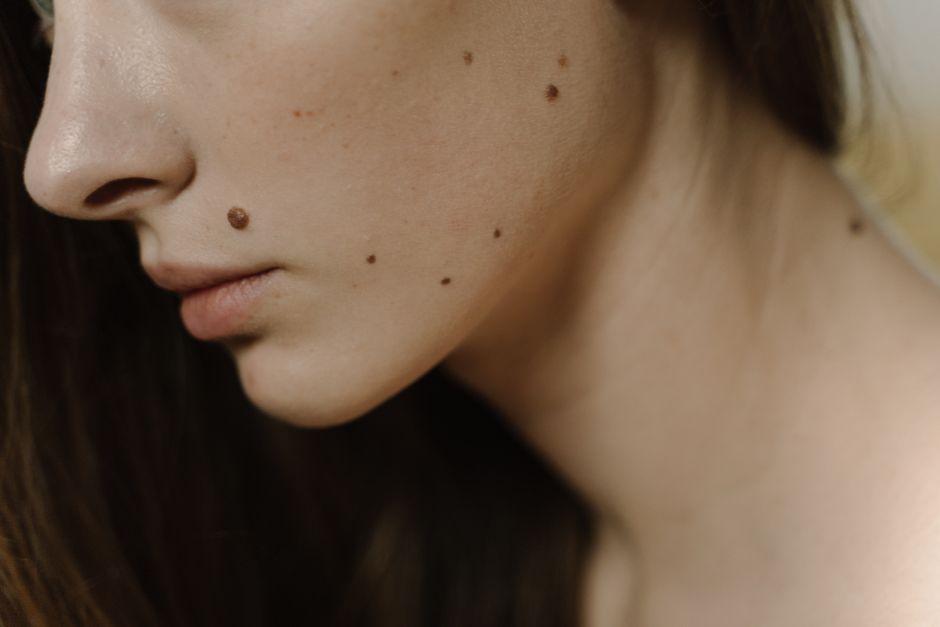
Changes in Moles and Discoloration
Any changes in existing moles warrant dermatological evaluation. Growth, color variation, irregular borders, itching, bleeding, or oozing can indicate melanoma or other skin cancers. Additionally, unexplained patches of red, purple, brown, or gray discol