The Clock We Can’t See: Understanding Biological Age vs. Chronological Age
You’ve probably noticed how some people seem to age gracefully while others appear worn down by the years. The truth is, the number of candles on your birthday cake tells only half the story. What really matters is your biological age—the actual state of your cells and tissues—which may be vastly different from how many years you’ve been alive.
Recent scientific breakthroughs suggest that biological aging isn’t inevitable or unchangeable. In fact, everyday choices about what you eat, how much you move, and even which supplements you take could be actively rewinding your biological clock.
Multivitamins: Small Daily Habit, Potentially Big Results
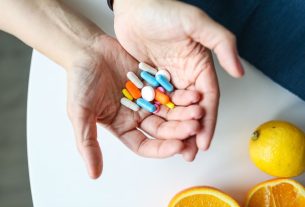
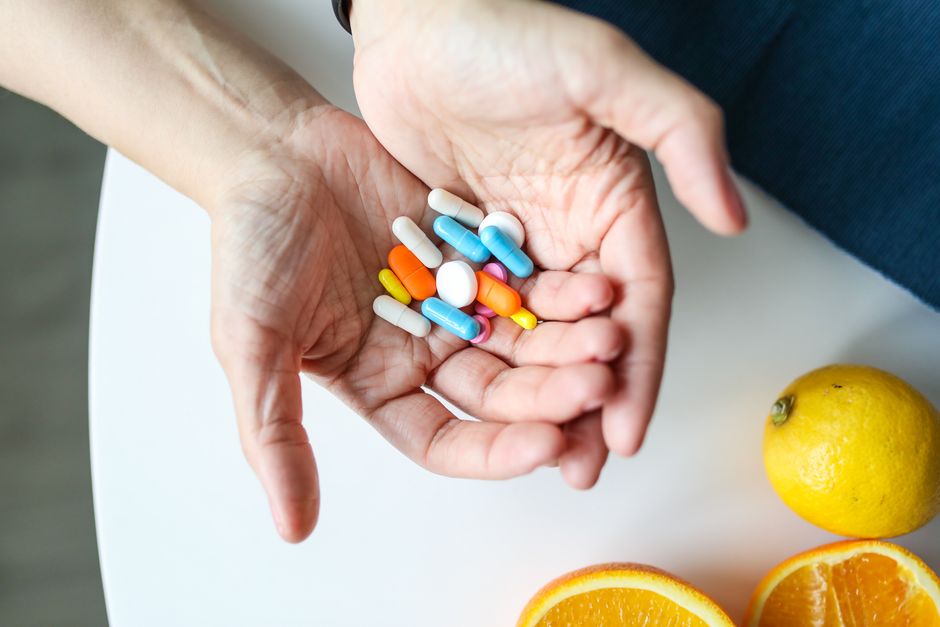
A groundbreaking study involving nearly 1,000 older adults discovered something remarkable: people taking daily multivitamins experienced measurably slower biological aging than those taking a placebo. Researchers used sophisticated “epigenetic clocks” to track chemical changes in DNA over a two-year period, and the results were encouraging.
The study involved participants taking Centrum Silver multivitamins along with cocoa flavanols—a compound found in dark chocolate and cocoa products. While experts urge caution about calling this “age reversal,” the findings suggest that consistent supplementation may help maintain cellular health.
Quick tip: If you’re considering multivitamins, choose a formula designed for your age group and consult your doctor first, especially if you’re taking medications that might interact with supplements.
Fitness in Midlife: An Investment in Your Future
Want to add years to your life and life to your years? Research analyzing over 24,000 adults reveals that cardiorespiratory fitness—essentially how efficiently your heart and lungs deliver oxygen during physical activity—is one of the strongest predictors of longevity.
The findings were striking: people with higher fitness levels in their middle years showed:
- A 3% increase in overall lifespan
- A 2% increase in healthy, disease-free years
- 9% fewer chronic diseases later in life
This doesn’t mean you need to become a marathon runner. Even moderate aerobic exercise—brisk walking, cycling, swimming, or dancing—for 150 minutes per week can significantly improve your cardiorespiratory fitness and, by extension, your healthspan.
What You Eat Matters More Than You Think
Here’s the exciting part: dietary changes don’t require months or years to impact your biology. A recent study found that people who shifted toward more plant-based, whole-food diets showed measurable improvements in their biological age within just four weeks.
The research compared four eating patterns in older adults and discovered that diets emphasizing complex carbohydrates and plant-based foods—whether fully vegetarian or simply leaning in that direction—produced the greatest benefits. Participants on high-fat omnivorous diets saw minimal changes, likely because these diets were closest to their original eating habits.
The improvements weren’t just on paper either. Participants reported better blood pressure control, improved cholesterol levels, enhanced insulin sensitivity, and increased energy. These cardiometabolic improvements directly reduce your risk of heart disease, which remains the leading cause of death globally.
Did you know? Up to 80% of heart disease cases are preventable through lifestyle changes—making dietary shifts one of the most powerful anti-aging interventions available.
Creating Your Anti-Aging Blueprint
The research converges on a simple truth: it’s never too late to slow biological aging. Whether you’re 50, 60, 70, or beyond, meaningful improvements can happen relatively quickly when you commit to these three pillars:
Start moving: Incorporate regular aerobic activity into your routine. Even four weeks of consistent exercise begins improving your cardiovascular fitness.
Upgrade your plate: Gradually increase plant-based foods, whole grains, and complex carbohydrates. You don’t need perfection—meaningful changes happen with simple substitutions.