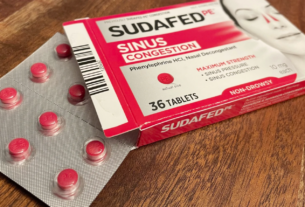
The Sleep-Pain Connection: Why Your Restless Nights Might Be Amplifying Your Ache
Have you ever noticed that when you don’t sleep well, even minor physical discomfort feels unbearable? There’s a reason for that. Poor sleep and chronic pain exist in a frustrating cycle—pain disrupts your sleep, and inadequate sleep makes pain feel worse. It’s a vicious loop that millions of people struggle with daily, and traditional pain management approaches don’t always address both sides of the equation.
New research is shedding light on an unexpected potential solution: melatonin, the hormone best known for regulating our sleep-wake cycle, may offer genuine relief for chronic musculoskeletal pain. A recent comprehensive study examined how melatonin stacks up against conventional over-the-counter painkillers, and the findings are intriguing enough to warrant a closer look at what this humble hormone can do.
What the Research Reveals About Melatonin and Pain Relief
Recent findings indicate that melatonin supplements demonstrated pain-relief effectiveness comparable to standard over-the-counter pain medications. However—and this is important—the benefits weren’t uniform across all pain types.
For chronic pain stemming from long-term musculoskeletal conditions, melatonin showed substantial promise. The reductions in pain intensity were meaningful and consistent. Post-surgical pain, on the other hand, showed less dramatic improvements, suggesting that melatonin works better for pain rooted in persistent conditions rather than acute trauma.
Researchers suggest melatonin operates through two distinct pathways. First, the hormone itself possesses intrinsic properties—antioxidant and anti-inflammatory effects—that directly combat pain mechanisms. Second, by improving sleep quality, melatonin creates a cascade of beneficial effects: better daytime functioning, reduced anxiety and depression associated with chronic pain, increased physical activity, and overall emotional resilience.
Quick tip: If you’re considering melatonin for pain, think of it as a companion therapy rather than a standalone solution—most experts recommend using it alongside your existing pain management strategies.
Understanding Safe Use and Dosing Guidelines
Safety matters when exploring any supplement. Based on current research, melatonin appears safe when used short-term—typically defined as less than three months—at low doses, generally under five milligrams daily. Most clinical trials in this research area utilized three-milligram doses.
The side effect profile is reassuring. The most commonly reported adverse effects include headache, mild nausea, and daytime drowsiness, but interestingly, these occurred at rates similar to placebo groups. This suggests many reported side effects may reflect expectation rather than the supplement itself.
Who Should Consider Melatonin for Pain, and Who Should Avoid It
Melatonin isn’t appropriate for everyone. Pregnant or nursing individuals should steer clear entirely. Those with certain health conditions—including autoimmune disorders, kidney disease, or liver dysfunction—require medical clearance before use.
Additionally, melatonin interacts with numerous medications and supplements. Anyone taking prescription drugs or over-the-counter medications must consult their doctor beforehand. This is particularly important for those considering melatonin primarily for pain without concurrent sleep issues—medical guidance becomes essential in determining whether this approach makes sense for your individual situation.
The Bigger Picture: Beyond Simple Sleep Aid
For decades, melatonin has been relegated to the “sleep aid” category, but emerging evidence suggests its usefulness extends further. The complex interplay between sleep deprivation, inflammation, nervous system sensitivity, and pain perception opens new possibilities for therapeutic intervention.
That said, melatonin supplements aren’t FDA-approved for any specific condition, and manufacturers bear responsibility for safety claims rather than regulatory bodies. This underscores why professional guidance remains crucial—a healthcare provider can assess whether melatonin fits your particular pain profile and overall health situation.
If you’re battling persistent musculoskeletal pain, especially when accompanied by sleep difficulties, a conversation with your doctor about melatonin might be worthwhile. It may not be a cure-all, but for some people, it could be the missing puzzle piece in a comprehensive pain management approach.