The Mosquito Preference Mystery: Why Some People Get Bitten More
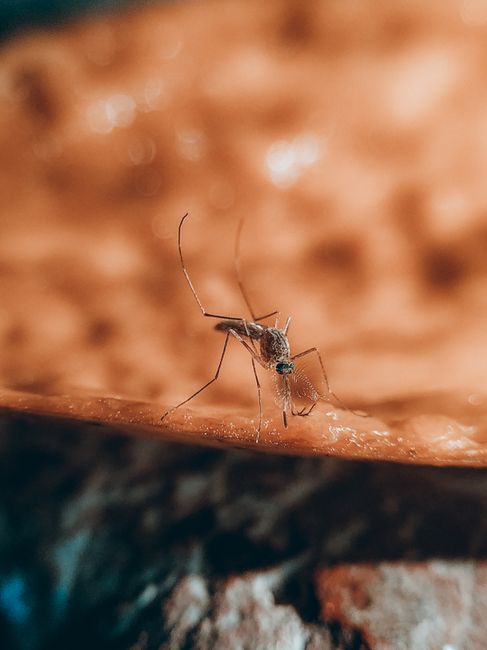
Have you ever noticed that at a summer gathering, some friends barely get a single mosquito bite while others look like they’ve been through a swarm? You’re not imagining things. Scientists have discovered that mosquitoes genuinely prefer certain people over others, and the reasons might surprise you.
It turns out that being a “mosquito magnet” isn’t random bad luck—it’s rooted in biology. Recent research has uncovered several factors that make you more attractive to these buzzing pests, from the carbon dioxide you exhale to the chemicals in your sweat, and even what you choose to drink. Understanding these factors could help you finally enjoy an outdoor gathering without becoming the evening’s main course.
What Makes You Irresistible to Mosquitoes?
The first clue mosquitoes use to locate you is the carbon dioxide in your breath. When you exhale, you create an invisible plume of CO2 that mosquitoes can detect from surprising distances. But here’s where it gets interesting: CO2 alone doesn’t seal your fate as a mosquito target.
Once a mosquito catches your scent trail and flies closer, it uses other sensory clues to decide whether to bite. Scientists have identified that your skin chemistry plays a major role in this decision-making process. People who produce higher levels of certain naturally occurring compounds, particularly carboxylic acids found in sweat and skin microbes, tend to attract more bites.
Body heat is another factor. Mosquitoes use thermal imaging to locate their hosts, and some people generate stronger heat signatures that make them stand out to the insects. If you tend to run warm or have a higher metabolic rate, you might be more noticeable to searching mosquitoes.
Did you know? Your skin’s unique microbiome—the bacteria living on your body—actually plays a role in determining your mosquito appeal. This is why soap, lotions, and personal hygiene products can sometimes affect how attractive you are to these insects.
The Surprising Beer Connection
New research has thrown an unexpected variable into the mix: beer consumption. A recent study conducted at a music festival found that people who drank beer were significantly more attractive to mosquitoes than those who abstained. The leading theory is that the smell of beer itself acts as an attractant, rather than any effect the alcohol has on your blood chemistry.
This doesn’t mean you need to give up enjoying a cold beverage outdoors, but it’s worth noting if you’re planning to spend extended time in mosquito-prone areas. If mosquitoes are particularly bad where you’ll be, you might want to consider what you’re consuming and pair it with stronger protective measures.
DEET: Still Your Best Defense (But With Caveats)
For decades, DEET has been considered the gold standard for mosquito repellent. It works, it’s widely available, and it’s been proven effective countless times. However, recent research has revealed something unexpected about how mosquitoes interact with this chemical.
Scientists discovered that mosquitoes can actually learn to associate the smell of DEET with food availability. Through repeated exposure in certain conditions, some mosquitoes began to perceive DEET not as a deterrent but as a cue that food was nearby. While this phenomenon primarily occurred in controlled laboratory settings and is unlikely to happen on a large scale in nature, it does suggest that how we use DEET matters.
The key takeaway? Rather than applying one large dose of DEET and hoping it lasts all evening, reapplying a moderate amount regularly appears to be more effective. This keeps the repellent continuously active and prevents mosquitoes from adapting to its presence.
Building Your Defense Strategy
A comprehensive approach works better than relying on any single method. Combine DEET or other repellents with physical barriers and timing awareness. Wear long sleeves and light-colored clothing when possible, since mosquitoes are attracted to dark colors. Pay extra attention during dawn and dusk, when many mosquito species are most active.
Eliminate standing water around your home, as these are breeding grounds for mosquitoes. Even small containers like plant saucers or clogged