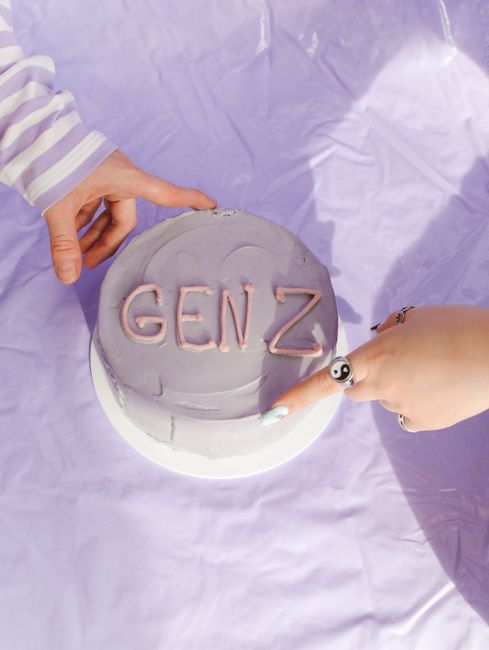
Speaking Their Language: Your Complete Guide to Gen Z and Gen Alpha Slang
Have you ever listened to teenagers talk and felt completely lost? You’re not alone. The linguistic landscape of Gen Z and Gen Alpha has evolved so rapidly that even parents and educators struggle to keep up. What was cutting-edge slang five years ago is now totally mid, and entire new vocabularies emerge on social media platforms seemingly overnight.
The intersection of internet culture, TikTok trends, and youth creativity has spawned a dialect that feels almost like a separate language. Understanding this lexicon isn’t just about decoding words—it’s about connecting with younger generations and understanding how they communicate, express themselves, and navigate their digital-first world.
The Building Blocks of Modern Youth Slang
Modern slang operates differently than previous generations’ linguistic experiments. Rather than slang being confined to specific regions or communities, it spreads globally within days through social media algorithms. A term invented by teenagers in one country can become common parlance worldwide almost instantaneously.
The brevity of platforms like TikTok and Twitter has also shaped how Gen Z communicates. They’ve developed a compressed language where maximum meaning is conveyed with minimum words. This efficiency, combined with irony as a default communication style, creates a unique verbal landscape.
Core Vocabulary You’ll Encounter
Let’s break down some of the most prevalent terms:
Based originally referred to someone authentic and unbothered by others’ opinions, though its meaning has expanded to encompass anything positive or admirable. A “based person” stays true to themselves regardless of social pressure.
Aura describes an invisible quality of charisma, confidence, or positive energy that someone possesses. To have aura means being naturally compelling and magnetic. Conversely, someone can “lose their aura” through poor decisions or inauthentic behavior.
Delulu is short for “delusional” and describes someone living in a false reality or having unrealistic expectations. It’s typically used humorously among friends rather than as a genuine insult.
Mogged means being completely outmatched or defeated, often in competitive contexts or when someone outshines another person dramatically. The term has roots in competitive online gaming.
Chud is generally considered insulting, referring to someone unpleasant or undesirable. A “based chad,” by contrast, is someone admirable and confident.
Lowkenuinely is a creative blend combining “lowkey” (subtle or quiet) with “genuinely,” expressing something that’s simultaneously understated yet deeply sincere.
Bruzz functions as a term of address similar to “brother” or “mate,” establishing camaraderie and friendliness in conversation.
Quick tip: Context matters enormously with modern slang. The same word can be complimentary or insulting depending on tone, relationship, and platform. When in doubt, observe how people around you use these terms before adopting them yourself.
Platform-Specific Dialects
Different social media platforms develop their own linguistic characteristics. TikTok users employ different slang than Twitter users, who differ from Reddit communities. Understanding the platform helps decode the language being used.
Gaming communities have particularly influenced Gen Z slang, introducing competitive terminology into everyday conversation. Terms like “griefing,” “trolling,” and “toxic” have expanded beyond gaming into broader youth culture.
The Evolution of Irony and Sincerity
Perhaps the most confusing aspect of youth communication is the layers of irony. Something can be said sarcastically while simultaneously being earnest. This postmodern approach to language means you often can’t take statements at face value.
Understanding whether someone is being genuine, ironic, or something in between requires cultural fluency that can only come from immersion. Even native English speakers from older generations struggle with this ambigu