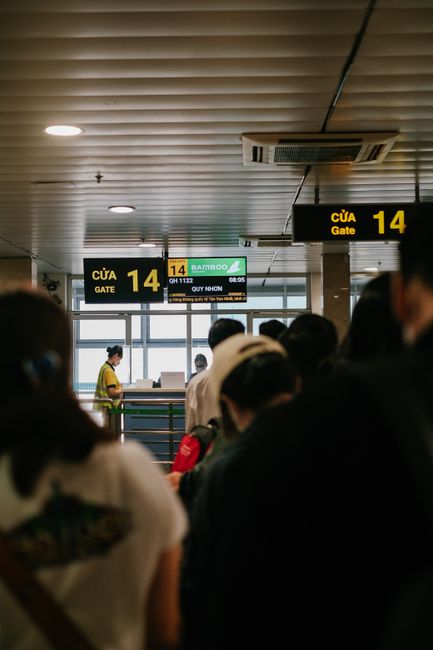
The Overhead Bin Wars: Understanding Gate Lice Culture
Have you ever noticed how the moment a gate agent announces boarding, a mysterious force awakens at airport terminals? Travelers who were casually seated suddenly spring to their feet, forming an aggressive perimeter around the gate podium. They’re not necessarily first-class passengers or those with mobility concerns. They’re gate lice—and their behavior is reshaping how airlines think about boarding procedures.
The term “gate lice” describes passengers who crowd the boarding gate before their group is officially called. While the name sounds unflattering, it perfectly captures the image of travelers swarming an entrance, each hoping to secure precious overhead bin space before it runs out. But here’s the thing: this behavior is about to become far less rewarding.
Why Early Gate Crowding Is Becoming Obsolete
Airlines are getting smarter about managing passenger flow and boarding efficiency. By 2026, expect to see more technological solutions that eliminate the advantage of showing up early to the gate. Biometric scanning systems, enhanced mobile boarding passes, and assigned seating for carry-on luggage are all emerging technologies that will make physical positioning near the gate virtually meaningless.
Consider how these changes work in practice. When airlines assign specific overhead bin spaces to specific seats during ticket purchase, arriving at the gate first offers zero advantage. Your bin space is reserved whether you’re first or last in line. The scramble becomes pointless.
Did you know? Many airports are already testing touchless boarding technology that scans passengers remotely, eliminating the need to congregate at a single podium at all.
The Real Cost of Gate Lice Behavior
Beyond the obvious indignity of elbowing your way through crowds, gate lice face genuine risks. Standing in crowded areas for extended periods can be physically taxing, especially for travelers with circulation issues or fatigue. The stress of competing for space elevates cortisol levels, potentially affecting your entire flight experience and subsequent travel day.
There’s also the social cost. Flight crews notice aggressive boarding behavior, and it can influence how gracious they are with small requests during the flight. Meanwhile, other passengers form negative impressions of gate rushers, creating a more tense cabin atmosphere from takeoff onward.
Preparing for the Future of Airport Travel
Smart travelers should begin adapting now rather than waiting for 2026. Book flights that offer assigned seat selections and overhead bin guarantees when available. Use airline apps to understand their current boarding systems and future plans. Download mobile boarding passes and ensure your phone is fully charged—these will become your primary boarding tools.
Take care of your body during travel by staying hydrated and seated while waiting for your boarding group. Hydration becomes especially important during travel days when you’re sitting for extended periods. Keep water with you in the terminal, and maintain steady hydration throughout the day rather than cramming fluids before boarding.
Most importantly, respect the boarding process as it’s designed. When your group is called, board promptly. When it’s not your turn, remain seated and relaxed. This approach conserves energy, reduces stress, and positions you as a considerate traveler—something flight crews genuinely appreciate.
What This Means for Airport Culture
The decline of gate lice isn’t just about mechanics; it reflects a broader shift toward orderly, dignified air travel. Airports are becoming smarter about crowd management. Future terminals will likely feature better signage, clearer queuing systems, and technology that makes physical position irrelevant.
This evolution benefits everyone. Elderly passengers won’t feel pressured to compete with aggressive crowds. Families with children can board calmly. The overall boarding experience becomes faster and less chaotic when passengers follow their assigned groups instead of creating a free-for-all at the gate.
As we head toward 2026 and beyond, ask yourself: Is a few extra seconds of overhead bin access worth the stress, physical strain, and loss of dignity? The airports of the future are betting that the answer is no—and travelers are beginning to agree.