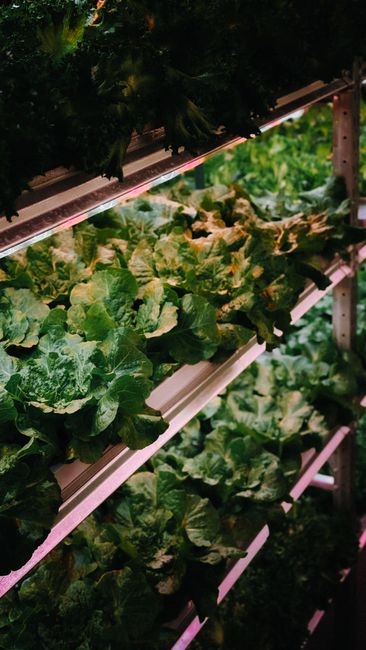
Growing Fresh Food Indoors: My Year-Long Journey with Vertical Hydroponic Systems
What if I told you that you could harvest fresh lettuce, tomatoes, and herbs from your living room in January? A year ago, I would’ve been skeptical too. But after spending the last twelve months testing various indoor garden systems, I’ve discovered that vertical hydroponic gardening isn’t just a trendy hobby—it’s a genuinely practical way to supplement your household’s produce needs.
The appeal is straightforward: no soil required, minimal space necessary, and faster growth cycles than traditional gardening. But diving deeper into the world of indoor farming revealed complexities I hadn’t anticipated. Water chemistry matters. Light spectrum affects plant development. System maintenance demands consistency. Yet despite these learning curves, the rewards have been substantial.
Understanding Hydroponic Growing Systems
Hydroponic systems work by delivering nutrient-rich water directly to plant roots, eliminating the need for soil. For indoor gardeners, this means cleaner homes, fewer pests, and the ability to grow year-round regardless of outdoor weather conditions. The vertical component maximizes limited space, allowing you to create a wall of greenery in even modest apartments.
There are several hydroponic approaches worth considering. Deep water culture systems suspend roots directly in nutrient solutions—simple to set up but requiring careful monitoring. Nutrient film technique systems circulate a thin film of water across plant roots, reducing water usage significantly. Ebb and flow systems periodically flood growing chambers before draining back into the reservoir, offering a middle ground in complexity and efficiency.
Quick tip: Start with smaller systems if you’re new to hydroponics. Success breeds confidence, and a manageable setup is easier to troubleshoot than an elaborate multi-tier installation.
What Actually Works for Beginners
After testing multiple configurations, I found that compact vertical towers perform exceptionally well for home gardeners. These stackable systems fit neatly in corners or against walls, making them ideal for apartment dwellers. They typically accommodate between fifteen and twenty plants per tower, allowing you to experiment with different varieties simultaneously.
Leafy greens like spinach, kale, and various lettuce varieties flourished under my care. These crops mature quickly—often ready for harvest within four to six weeks. Herbs presented fewer challenges than I expected. Basil, parsley, cilantro, and oregano all thrived in my indoor setup, providing fresh seasoning year-round. Using fresh herbs meant I could elevate simple meals without relying on expensive grocery store bundles that often spoil before use.
Fruiting vegetables demanded more patience and attention. Peppers and compact tomato varieties eventually produced, but they required consistent light exposure and stable environmental conditions. The learning curve steepened considerably with these crops.
The Reality of Maintenance and Costs
Let’s be honest: these systems aren’t entirely maintenance-free. You’ll need to monitor water pH levels, ensure adequate nutrient concentration, and maintain consistent lighting schedules. The initial investment ranges considerably depending on system size and features. Energy costs accumulate as grow lights operate for extended daily periods.
However, when calculated against grocery expenses, especially for premium organic produce, the economics gradually shift in favor of home cultivation. A single vertical system producing fresh herbs and greens for six months can offset its initial cost.
Did you know? Most indoor garden systems require between twelve and sixteen hours of daily light exposure, depending on what you’re growing. This is one of the few non-negotiable requirements for success.
Final Thoughts on Growing Indoors
After twelve months of experimentation, I’m convinced that vertical hydroponic systems deserve serious consideration from anyone wanting to engage with food production on a residential scale. They transform small spaces into productive growing environments and reconnect us with the origins of our meals. The learning process is rewarding, the results are tangible, and the fresh taste of homegrown produce remains incomparable to store-bought alternatives.
Is indoor gardening right for your household?