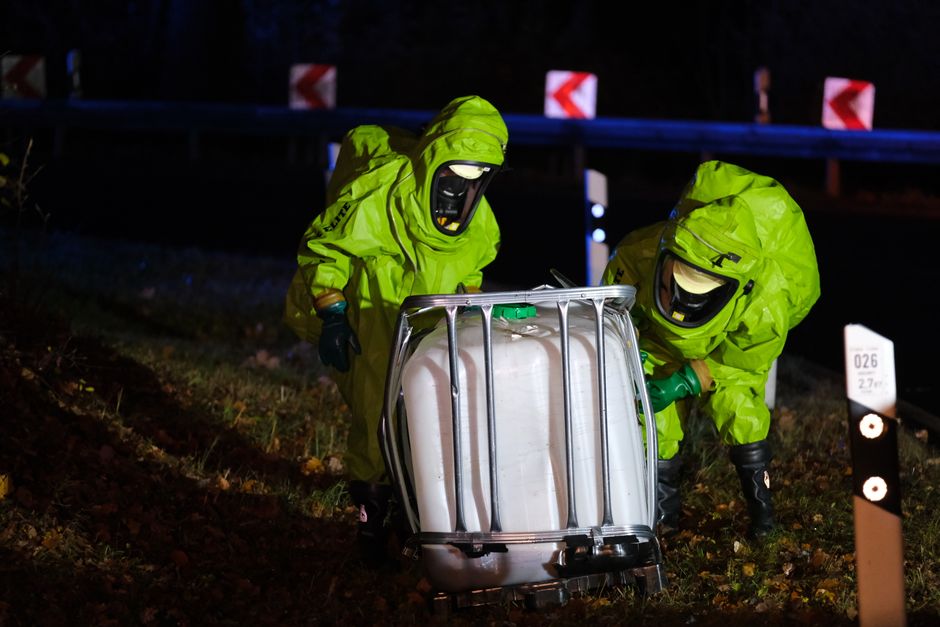
The Alarming Trend in Chemical Safety: What’s Really Happening in Our Industrial Sector
What if the regulations protecting you from hazardous chemical exposure were quietly being dismantled? It sounds like the plot of a dystopian novel, but it’s becoming an increasingly urgent reality in manufacturing facilities and chemical plants across the country.
Understanding the Growing Problem
Recent years have witnessed a troubling surge in chemical-related incidents that result in serious injuries and fatalities. Industrial accidents involving hazardous substances have become more frequent, raising critical questions about workplace safety and regulatory oversight. These incidents don’t just affect workers on the factory floor—they impact surrounding communities, contaminate water supplies, and create lasting environmental damage.
The correlation between weakened safety frameworks and increased accident rates suggests we’re moving in a dangerous direction. When regulatory agencies reduce oversight and companies face fewer consequences for safety violations, the inevitable result is a cascade of preventable disasters.
Why Deregulation Leads to Dangerous Consequences
The logic seems straightforward to policymakers focused on reducing business costs: fewer rules mean lower compliance expenses. But this reasoning ignores a fundamental reality—safety regulations exist because they were written in blood. Each major rule typically emerged from a tragic incident that killed or sickened people.
Did you know? Many modern chemical safety protocols were developed after industrial catastrophes that claimed dozens or even hundreds of lives. Weakening these protections essentially tells us those lessons weren’t worth learning.
When safety requirements are loosened, companies immediately shift resources away from prevention measures. Emergency response equipment gets deferred. Employee training becomes minimal. Maintenance schedules get stretched. These penny-pinching measures create powder kegs waiting to explode.
The Human Cost We Often Overlook
Numbers tell part of the story. But behind every statistic is a person—a worker who went to their job expecting to come home safely, or a community member exposed to toxic fumes without warning. Chemical accidents cause severe burns, respiratory damage, neurological problems, and cancer. The recovery process is long, painful, and expensive.
Workers compensation often fails to cover the full extent of damage. Families face bankruptcy. Communities deal with contaminated soil for generations. The environmental cleanup costs dwarf any money saved through deregulation.
What Needs to Happen Now
Strengthening chemical safety requires three critical steps. First, regulatory agencies must maintain rigorous inspection schedules and enforce violations with meaningful penalties. Second, companies should invest in updated safety technology and employee training as standard operating procedure, not optional extras. Third, communities need transparent access to information about chemical facilities in their neighborhoods and the risks they pose.
Public advocacy matters enormously. When citizens demand accountability, elected officials listen. Supporting organizations that monitor industrial safety, voting for representatives who prioritize worker protections, and speaking up when you learn about unsafe practices all contribute to meaningful change.
Protecting Yourself and Your Community
If you live near industrial areas, learn what chemicals are stored or processed nearby. Many facilities are required to disclose this information. Understand the warning signs of chemical exposure—unusual odors, visible vapor clouds, or health symptoms appearing among multiple neighbors warrant investigation.
For workers in industrial settings, never ignore safety concerns. Report hazards to supervisors and regulatory agencies. Document incidents carefully. Connect with coworkers and union representatives to amplify your voice.
The trend toward weakened chemical safety regulations represents a choice—a choice to prioritize short-term profits over long-term human wellbeing. We can choose differently. Robust safety standards, consistent enforcement, and corporate accountability aren’t obstacles to business success; they’re the foundation for sustainable, responsible industry. The question is whether we have the collective will to demand better.