The Copyright Controversy That’s Reshaping AI Development
What happens when artificial intelligence meets intellectual property law? The collision between these two worlds is creating unprecedented legal challenges that could reshape how tech companies develop their most powerful systems. The New York Times recently escalated its legal dispute with Microsoft and OpenAI, alleging that a specialized supercomputer was built using copyrighted material without permission. This development marks a critical turning point in the ongoing battle over AI training and content rights.
Understanding the Shift in Legal Strategy
The timing of the New York Times’ renewed claims is significant. Following a Supreme Court ruling that didn’t go the way Sony expected in a recent copyright case, major media organizations are recalibrating their approach to fighting AI companies. Rather than relying on broad interpretations of copyright law, plaintiffs are now focusing on specific technical infrastructure and the direct involvement of tech companies in potentially infringing activities.
This strategic pivot represents a fundamental change in how copyright advocates are framing their arguments. Instead of attacking AI training methodologies broadly, they’re examining the specific choices made by companies when building the systems that power modern AI services. The supercomputer allegedly at the center of this dispute becomes more than just hardware—it becomes evidence of intent and deliberate action.
The Supercomputer as Evidence
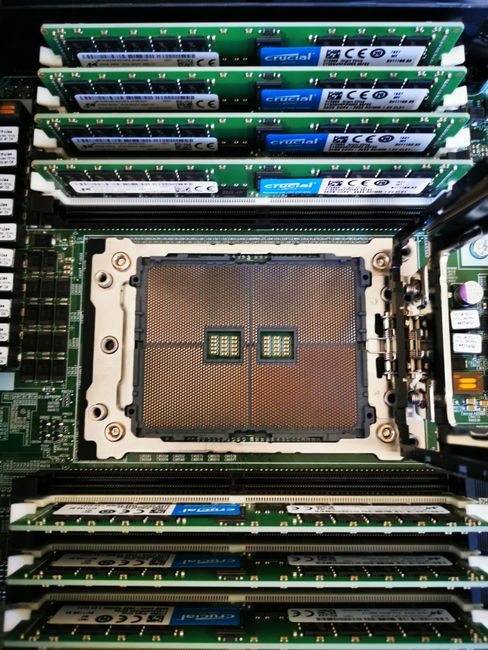
At the heart of this dispute lies the question of infrastructure. Building a supercomputer requires intentional choices about what data will run through it and how that data will be processed. The New York Times argues that Microsoft’s involvement in designing and building this specialized system demonstrates knowledge and complicity in potential copyright infringement. This isn’t about abstract algorithms or passive data collection—it’s about concrete business decisions and corporate action.
Did you know? The relationship between hardware manufacturers, software developers, and content creators is becoming increasingly important in copyright cases. Courts are paying closer attention to who built what and why.
Why the SCOTUS Ruling Matters
The Supreme Court’s decision in the Sony case established important precedents about fair use and transformative works in different contexts. Rather than seeing this as a defeat, media organizations recognized it as an opportunity to refine their legal theories. By shifting focus to corporate involvement and deliberate infrastructure choices, plaintiffs are working within the framework that courts have signaled they’re willing to consider.
This represents smart litigation strategy. Instead of fighting on ground where they’ve already lost, copyright advocates are choosing to emphasize facts that courts found relevant in recent rulings. They’re asking different questions: Who made the decision to build this system? What information did they have? What alternatives were available?
The Broader Implications for AI Development
These legal battles extend far beyond the courtroom disputes between major corporations. The outcomes will likely influence how all AI companies approach training, data sourcing, and infrastructure decisions. If courts agree that corporate involvement in building systems designed to process copyrighted material creates liability, it could fundamentally change the economics of AI development.
Companies may need to implement more robust licensing agreements, create better documentation of their data sources, or fundamentally reconsider their training methodologies. The stakes are high enough that even companies not directly involved in these lawsuits are watching closely and adjusting their strategies accordingly.
Looking Forward
The evolution of copyright law in the AI era is far from settled. These disputes will likely continue through multiple court levels, and each ruling will shape how the industry develops. What we’re witnessing now is the legal system attempting to catch up with technology that has outpaced traditional frameworks for protecting intellectual property.
Whether you’re a content creator concerned about your work being used without permission, a tech company navigating complex legal terrain, or simply someone interested in how major institutions resolve conflicts, this story matters. The decisions made in these courtrooms will influence the future of artificial intelligence, content creation, and digital rights for years to come. What role do you think companies should play in ensuring the content powering AI systems is legally obtained?