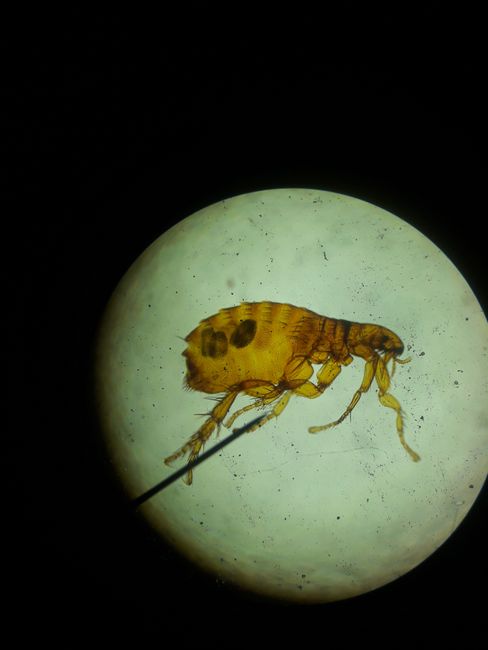
Michigan Battles Surge in Parasitic Diarrheal Cases: A Health Alert You Shouldn’t Ignore
What if the meal you enjoyed yesterday could make you seriously ill today? This alarming question has become all too real for hundreds of Michigan residents dealing with a rapidly spreading parasitic infection. Health officials across the state are racing against the clock to pinpoint the source of an outbreak that has already affected over 700 people, and the numbers continue climbing.
Understanding the Current Outbreak
When disease surveillance teams notice cases multiplying at an unusual pace, it signals something unusual in the environment. Michigan’s recent spike in diarrheal parasite infections represents precisely this kind of concerning trend. Unlike isolated cases that appear sporadically throughout any given year, this outbreak shows the hallmark signs of a common exposure affecting multiple communities simultaneously.
The speed at which cases have accumulated suggests people across different regions are encountering the same source. Whether it’s contaminated food, water, or another vehicle of transmission, investigators are methodically working through the evidence to connect these dots before more people fall ill.
Did you know? Parasitic infections often go undiagnosed initially because their symptoms mirror common digestive illnesses. This delay can actually aid parasite spread within a community.
Why Identifying the Source Matters
Finding patient zero and tracing the outbreak to its origin isn’t just an academic exercise. When officials identify the contamination source, they can immediately stop new exposures. A tainted water supply can be treated. A compromised food shipment can be recalled. A facility with poor sanitation practices can be closed and remediated. Without pinpointing the source, people remain unknowingly at risk.
The detective work involves interviewing affected individuals about their recent activities, dietary choices, and locations visited in the days before symptoms appeared. Commonalities emerge as the puzzle pieces fit together, gradually revealing what connects these cases.
Protecting Yourself During an Outbreak
While investigation efforts continue, personal preventive measures remain your best defense. Hand hygiene stands as the foundation of protection against most parasitic transmissions. Washing hands thoroughly with soap and water, especially before eating and after using the bathroom, creates a significant barrier against infection.
Food safety practices deserve extra attention during outbreaks. Proper cooking temperatures kill parasitic organisms that might contaminate certain foods. Thoroughly washing fresh produce removes potential contaminants from surfaces. Drinking water from trusted sources and avoiding potentially contaminated water supplies protects against waterborne parasites.
Quick tip: Keep a hand sanitizer with you when soap and water aren’t immediately available, though handwashing with water and soap remains more effective for parasitic contamination.
Recognizing Symptoms and Seeking Care
Diarrheal illnesses can range from mildly uncomfortable to seriously debilitating. Persistent diarrhea lasting more than a few days, especially when accompanied by abdominal cramping, nausea, or fever, warrants medical attention. Some people experience more severe symptoms that develop rapidly.
Healthcare providers can perform specific tests to identify parasitic infections, which is crucial because different parasites respond to different treatments. Never assume your digestive distress will resolve on its own during an outbreak. Getting tested helps medical professionals understand your condition and prescribe appropriate care.
Looking Forward
Michigan’s health department continues its active investigation with laboratories working overtime to process samples and identify the culprit. Community awareness campaigns help ensure residents understand the situation and take appropriate precautions. As the investigation progresses, public updates will provide clarity on which specific products, facilities, or practices pose risk.
Have you experienced unexplained digestive illness recently? Contact your healthcare provider for proper evaluation rather than waiting to see if symptoms improve independently. Your health matters, and your medical information helps authorities complete the outbreak picture.