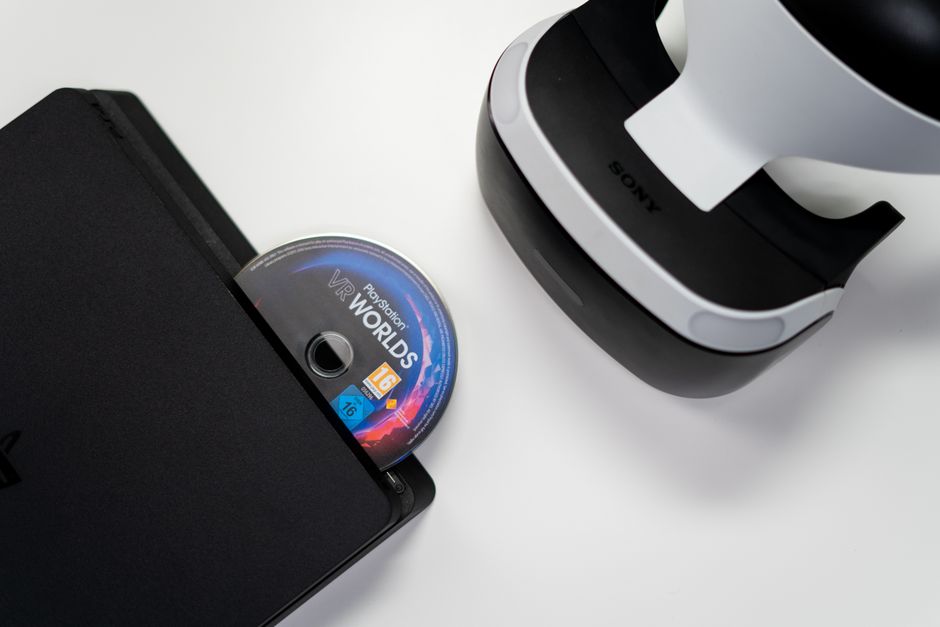
The End of an Era: Sony’s Physical Media Shutdown
Picture this: it’s 2028, and you’re searching through store shelves for the latest PlayStation title, only to find them completely bare. This isn’t a dystopian nightmare—it’s Sony’s impending reality. The tech giant has announced it will cease production of physical PlayStation discs by the end of the decade, marking a significant shift toward digital-only gaming. But before you panic and start hoarding your favorite game cases, here’s an intriguing question that’s been circulating among gaming enthusiasts: could determined fans actually manufacture their own discs?
Understanding the Technical Barriers
The short answer involves understanding what makes official PlayStation discs special. These aren’t simple data storage devices you can replicate with basic consumer equipment. They’re encrypted, authenticated, and embedded with proprietary Sony technology designed to prevent unauthorized copying. The manufacturing process requires specialized machinery that applies protective coatings, laser-etches security features, and implements region-locking protocols. Consumer-grade disc burners simply lack the sophistication to replicate these protections, even if you possessed the source code and game files.
Beyond the hardware limitations, there’s the legal minefield. Creating unauthorized copies of copyrighted software violates intellectual property laws in most jurisdictions. The Digital Millennium Copyright Act in the United States, for instance, explicitly prohibits circumventing copy protection mechanisms. Sony aggressively protects its intellectual property, and the company has a history of pursuing legal action against those who attempt to bypass their security systems.
What About Preservation and Backups?
Gaming preservation is a legitimate concern worth exploring. Museums and archives worldwide struggle with maintaining access to historical games as hardware becomes obsolete and publishers go out of business. Organizations dedicated to digital preservation have advocated for legal exceptions that would allow archivists to create working copies of games for historical purposes. Some regions have begun recognizing this need and created limited exemptions for authorized preservation efforts.
Did you know? The video game industry loses significant cultural history each year as older titles become unplayable due to server shutdowns, licensing expirations, or hardware incompatibility.
However, these legitimate preservation efforts are handled by institutional experts with proper licensing agreements and legal oversight. They’re fundamentally different from individual consumers attempting to manufacture discs at home.
The Practical Reality for Gamers
If you’re concerned about losing access to physical games post-2028, your realistic options are substantially different from DIY disc manufacturing. Consider these alternatives:
First, purchasing physical copies now while they’re still available provides you with permanent ownership of that media. Unlike digital downloads tied to your account, a physical disc remains yours indefinitely, provided you maintain a compatible console. Second, embrace digital distribution. PlayStation Store increasingly offers competitive pricing and convenience. Third, explore PlayStation Plus subscription services, which grant access to extensive game libraries. Finally, consider retro gaming communities that focus on preserving and emulating older titles through legal, legitimate means.
Looking Forward
Sony’s transition to digital-only distribution reflects broader industry trends toward cloud gaming and subscription services. While this shift frustrates collectors and preservation advocates, the genie won’t be put back in the bottle through homemade disc creation. Instead, the gaming community’s energy might be better directed toward supporting preservation initiatives, advocating for consumer-friendly licensing policies, and maintaining collections of physical media while they remain available.
Rather than attempting the technologically impossible and legally risky path of manufacturing your own PlayStation discs, why not celebrate the physical gaming era we’ve had while embracing the digital future ahead?