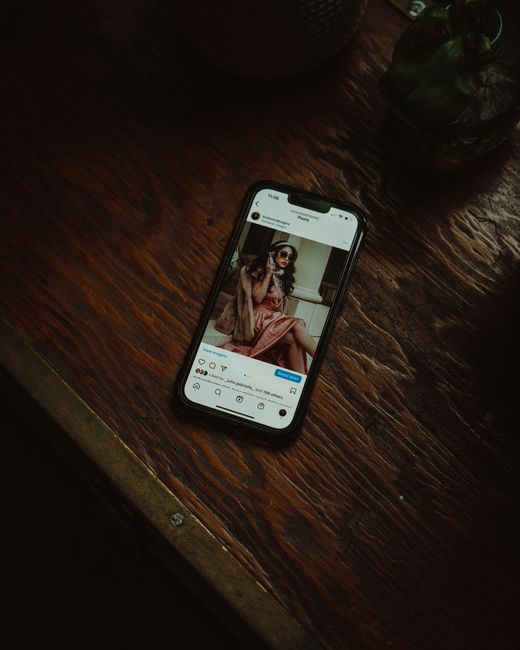
Meta’s AI Image Generation: What You Need to Know About Your Instagram Photos
Have you ever posted a photo on Instagram and wondered who might see it or how it could be used? Well, here’s something that might catch you off guard: Meta is now tapping into publicly shared Instagram photos to train its artificial intelligence image generation model. Unless you take action, your carefully curated photos could become raw material for AI-generated images that you never authorized.
The Shift in Meta’s Data Usage Philosophy
For years, social media platforms have walked a fine line between transparency and taking advantage of user-generated content. Meta’s latest move with its Muse image model represents a significant escalation in how aggressively the company is leveraging user data. The change is particularly notable because it affects anyone with a public Instagram account—not just those who’ve explicitly agreed to participate in AI training programs.
What makes this development interesting is that Meta isn’t exactly hiding it. The company announced the policy change, giving users the option to opt out. However, the burden of action falls entirely on individual users. If you want to prevent your photos from being used, you need to take steps yourself rather than opting in to a new feature.
Quick tip: Check your Instagram privacy settings regularly, as social media platforms frequently update their policies and default permissions.
Why This Matters for Your Digital Privacy
The implications extend beyond just seeing your photos used differently. When AI systems train on real images, they learn patterns, aesthetics, and styles from actual people’s work. Your sunset photo might help train an AI to generate similar landscapes. Your portrait could contribute to how the system learns facial features and expressions. While individual photos seem insignificant, collectively they become the foundation of increasingly sophisticated AI models.
This raises legitimate questions about digital ownership and consent. Even though your photos are technically public, there’s a meaningful difference between people viewing them and algorithms learning from them to create entirely new content. The former is sharing; the latter feels more like extraction of value.
How to Protect Your Instagram Content
If you’re uncomfortable with your Instagram photos being used for AI training, you have options. The primary approach involves adjusting your account settings to opt out of Meta’s data usage policies. Since Meta regularly updates its interface, the exact location of these settings may vary, but they typically live within your privacy and security settings. Look for options related to data usage, AI training, or third-party access.
Beyond opting out of AI training, consider these additional steps:
- Review your account privacy settings regularly to understand who can see your content
- Be mindful about what you share publicly versus in private stories
- Stay informed about Meta’s policy updates and announcements
- Use Instagram’s built-in privacy features like restricting accounts or limiting who can comment
The Bigger Picture of AI and Social Media
Meta’s move isn’t an isolated incident. Across the tech industry, companies are racing to gather training data for AI models. Social media platforms, in particular, sit on goldmines of visual content. The question isn’t whether companies will attempt to use this data, but rather how transparent and respectful they’ll be about it.
What’s worth considering is the precedent this sets. If major platforms successfully implement opt-out policies for AI training, other companies may follow suit. Users who don’t stay vigilant could find their digital presence scattered across countless AI systems without their knowledge.
Making Your Decision
Ultimately, whether you opt out depends on your personal comfort level with AI development and data usage. Some users may not mind contributing to AI training, especially if it leads to better creative tools. Others may prefer maintaining stricter control over how their content is used. Neither stance is wrong—it’s about understanding your options and making an informed choice.
The key takeaway is this: don’t assume Meta or any other platform will protect your preferences by default. Take the time to review your settings, understand what’s being asked of you