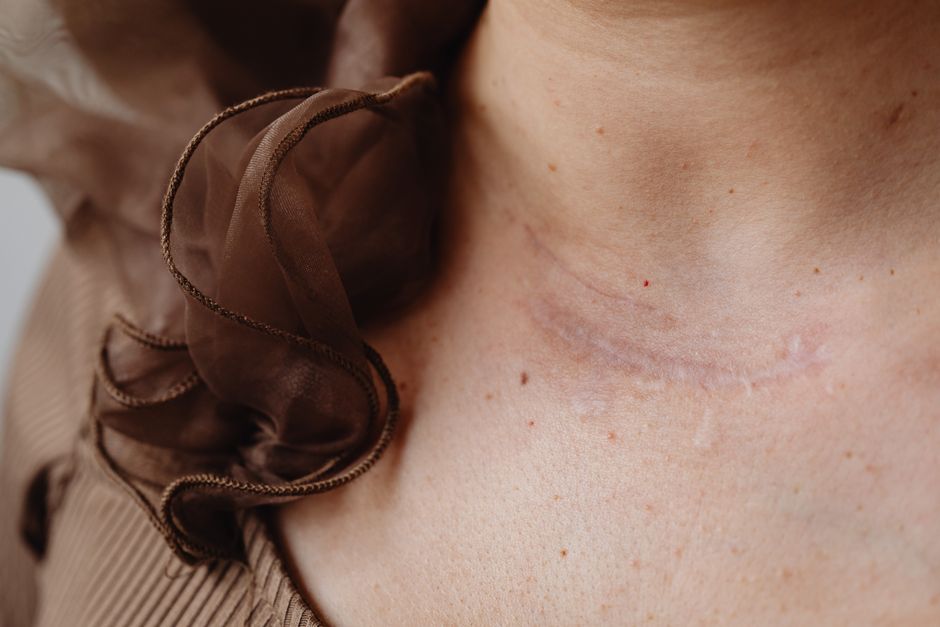
When a Simple Neck Lump Changes Everything: What You Need to Know About Rare Tumors
What starts as a small, seemingly insignificant lump in the neck can sometimes reveal a far more complex medical reality than anyone anticipated. For Jayme Cohen Lynde, a routine discovery during her junior year at Michigan State University became the beginning of an extraordinary medical journey that would test her resilience, reshape her recovery expectations, and ultimately teach her invaluable lessons about patient advocacy.
In 2000, Cohen Lynde found a lump on the side of her neck. While she experienced minimal symptoms, she knew something warranted investigation. Her specialist confirmed she had a carotid body tumor—a benign growth developing near the carotid arteries that supply blood to the brain and neck. The diagnosis seemed straightforward enough: surgery could wait until after summer.
But medicine, as it often does, had other plans.
The Discovery of Complexity: Two Rare Tumors Instead of One
The weekend before her scheduled surgery, Cohen Lynde’s doctor ordered additional diagnostic tests. What they discovered fundamentally changed her medical trajectory. Not only did she have the carotid body tumor, but imaging also revealed a paraganglioma—a rare neuroendocrine tumor—growing at the base of her skull.
Paragangliomas are particularly challenging because they develop along cranial nerves and can affect critical bodily functions including speech, swallowing, and breathing. This discovery meant Cohen Lynde wasn’t facing one surgery, but potentially two, and the second one would be significantly more complex than anyone had initially anticipated.
Did you know? Carotid body tumors and paragangliomas are extremely rare, occurring in fewer than 1 in 100,000 people. Many people live their entire lives without ever encountering someone with these diagnoses, which means limited public awareness and fewer specialists trained in their treatment.
Choosing the Harder Path: Understanding Surgical Options
When Cohen Lynde’s doctor presented her surgical options for removing the paraganglioma, she faced an impossible choice. The first option involved operating directly through her skull, carrying risks of stroke and death. The second required removing a tooth, fracturing her jaw, and opening part of her face to access the tumor through her mouth.
The second approach meant accepting temporary disability: she wouldn’t be able to speak, would require a feeding tube, and would need months of recovery learning to speak and swallow again. However, her doctor believed she would eventually recover fully.
Cohen Lynde chose the second option. What doctors estimated would take 12 hours stretched into a grueling 24-hour surgery. When she finally woke up, she couldn’t speak. She had a feeding tube. She couldn’t shower independently. Recovery wasn’t measured in weeks—it was measured in months and years.
The Marathon of Recovery: Patience as Medicine
For approximately 10 months, Cohen Lynde lived in silence. She couldn’t vocalize her thoughts, frustrations, or fears. Once her feeding tube was repositioned to her stomach and she healed sufficiently, she began working with specialists—an ENT focused on vocal cord function and a speech therapist who saw her multiple times weekly.
Rather than despair, she adopted a powerful recovery strategy: her parents documented weekly photos showing the reduction in swelling and visible healing. This visual proof of progress became psychological medicine, reminding her that her body was indeed recovering, even when progress felt impossibly slow.
Through determination and professional support, she eventually regained her ability to speak and eat, though swallowing remains challenging today. More importantly, she reclaimed her life, moving to New York City to build a career in advertising and eventually becoming a mother of two daughters.
Second Opinions Save Lives: The Power of Patient Advocacy
Years into her recovery and successful career, Cohen Lynde’s routine follow-up imaging revealed a recurrent tumor and a new tumor behind her ear. Her doctor recommended radiation therapy. Something about this recommendation didn’t align with her instincts as a healthy 45-year-old mother.
Instead of accepting the recommendation passively, she sought a second opinion. The new specialist reviewed her imaging and agreed that radiation wasn