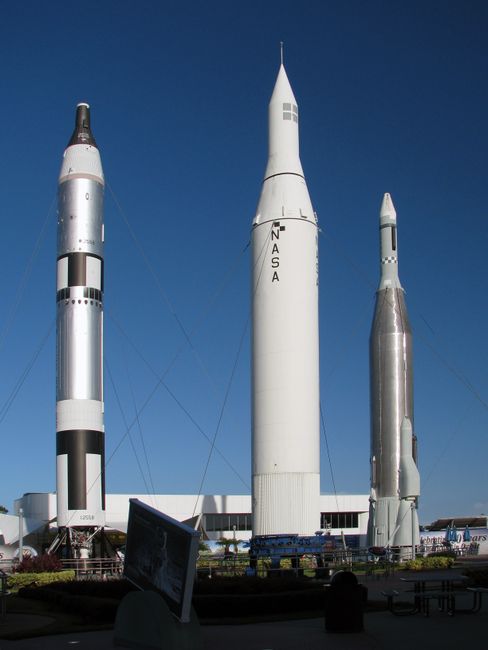
The Great Rocket Wait: Why NASA’s Timeline Keeps Slipping
How many times have you heard a launch date announced with absolute confidence, only to see it postponed weeks or months later? If you’ve been following NASA’s ambitious plans to return humans to the Moon and establish a sustainable space program, you’ve probably lost count.
The space agency finds itself in a frustrating predicament. It needs powerful new rockets to accomplish its most audacious goals, yet delivering them on schedule has proven to be one of the most elusive challenges in modern aerospace engineering. The gap between promised timelines and actual delivery dates has become almost comically wide.
The Promise Versus Reality Problem
When space program officials announce new vehicle development programs, they typically present realistic-sounding dates. Yet somehow, those dates seem to exist in an alternate timeline where engineering challenges don’t exist, supply chain disruptions never happen, and component manufacturers always deliver on schedule.
The reality of building next-generation launch vehicles is far messier. Each component must meet extraordinary specifications. Each system must integrate seamlessly with dozens of other systems. Testing reveals problems that engineers never anticipated. Manufacturing facilities encounter bottlenecks. And sometimes, fundamental design issues emerge that require significant rework.
Did you know? The complexity of modern rockets involves millions of individual parts working in perfect harmony at extreme temperatures and pressures. A single failure in any system can trigger cascading delays.
When officials provide updated timelines, they’re often being optimistic about how long remaining work will take. This isn’t necessarily dishonesty, but rather an occupational hazard of managing massive engineering projects where countless variables remain uncertain.
Why Pinning Down a Date Is So Difficult
Several interconnected factors make it nearly impossible to provide a reliable delivery date for advanced rocket systems:
First, there’s the testing imperative. Space hardware cannot simply roll off a production line and launch immediately. Every major system requires extensive ground testing, environmental testing, and integrated testing. Any anomaly discovered during testing means going back to the drawing board.
Second, the supply chain for aerospace-grade components is notoriously constrained. Specialized manufacturers cannot simply scale up production overnight. They’re working with limited capacity and serving multiple customers simultaneously.
Third, regulatory approval processes add another layer of unpredictability. Government agencies must review and approve designs, manufacturing processes, and test plans before hardware can progress to the next phase.
The Cultural Shift Needed
Perhaps the real issue isn’t with the rockets themselves, but with how timelines are communicated. The space industry could benefit from adopting more transparent approaches that acknowledge uncertainty rather than painting overly optimistic pictures.
Providing ranges instead of fixed dates would be more honest. Communicating about major risk factors and potential delay sources would set more realistic expectations. Being upfront about unknown unknowns would demonstrate greater maturity than pretending all variables are understood.
Quick tip: If you’re following aerospace development news, pay attention to which programs discuss uncertainties openly and which ones never mention potential obstacles. That’s often a good indicator of how realistic their timelines actually are.
Looking Forward
The space community desperately needs the next generation of heavy-lift rockets to accomplish its missions. But those rockets will arrive when they’re truly ready, not when someone originally predicted they would. The sooner we accept this reality and adjust our expectations accordingly, the less disappointed we’ll be when delays inevitably occur.
What would make you more confident in a rocket program’s stated delivery date: a fixed promise or an honest discussion of remaining uncertainties?