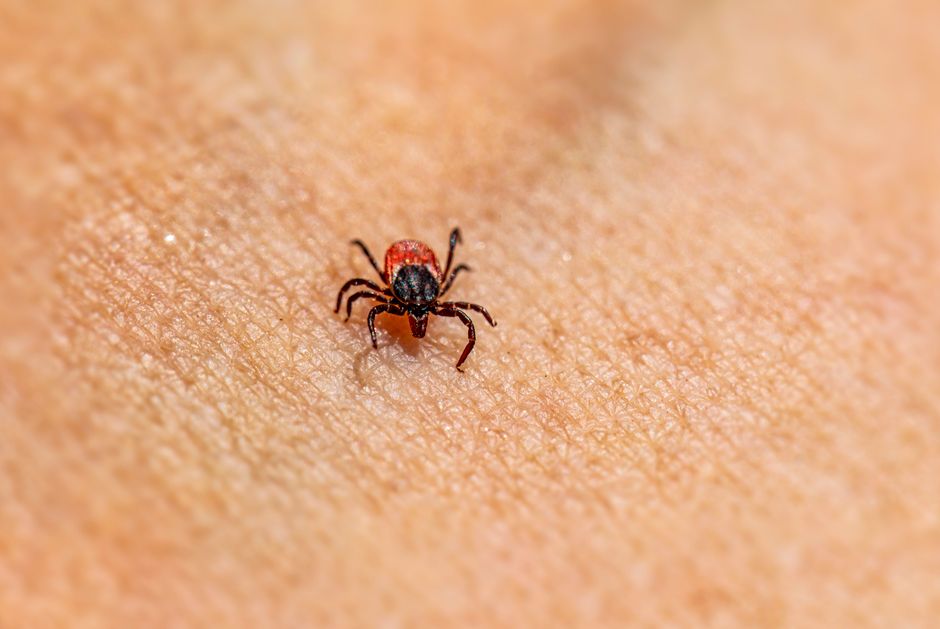
The Tick Epidemic We’re Not Talking About Enough
Emergency rooms across the nation are experiencing something they haven’t seen in over a decade: a surge in tick bite cases that’s catching both patients and healthcare providers off guard. The numbers tell a compelling story—one that extends far beyond a simple outdoor inconvenience. From the Northeast to the Midwest, more people are seeking urgent medical attention for tick-related complications than at any point in recent memory.
But here’s what makes this trend particularly concerning: most people still don’t understand the real danger ticks represent, or how significantly climate patterns are reshaping where these parasites thrive.
Why Tick Bites Have Become a Public Health Priority
When someone visits an emergency room for a tick bite, it’s rarely about the bite itself. The real worry is what that tick might have transmitted during its time attached to the skin. Lyme disease remains the most prevalent tick-borne illness in America, but it’s far from the only concern. Rocky Mountain spotted fever and alpha-gal syndrome represent additional health risks that have left medical professionals increasingly vigilant during peak seasons.
The challenge with many tick-borne illnesses is their sneaky presentation. Symptoms of Lyme disease can take three to four weeks to appear, during which time the infection quietly spreads through the body. This delayed onset makes prevention and early detection absolutely critical. The characteristic “bull’s-eye” rash that many people associate with Lyme disease doesn’t always appear, and when it does, it looks different depending on a person’s skin tone—making visual diagnosis less reliable than many assume.
Quick tip: If you’ve had a tick bite, mark your calendar for 30 days. Watch carefully for any symptoms during this window, and don’t hesitate to contact your doctor if you notice fever, fatigue, muscle aches, or any suspicious rash.
Climate Change Is Reshaping the Tick Map
The increase in tick-related ER visits doesn’t exist in isolation. Scientists have traced much of this surge to climate patterns that are fundamentally changing where ticks can survive and reproduce. Warmer winters mean ticks don’t die off as they traditionally did in northern regions. Shorter, milder cold seasons allow these parasites to remain active longer throughout the year and expand their geographic territory northward.
This isn’t speculative—it’s observable. Areas that never had significant tick populations a decade ago now face the same risks as traditionally endemic regions. Urban sprawl pushing into wooded areas, recovery of white-tailed deer populations that serve as hosts for ticks, and expanding green spaces in cities have all created new opportunities for human-tick encounters.
Your Complete Tick Protection Strategy
The good news is that tick encounters are largely preventable with awareness and consistent precautions. When heading outdoors during warmer months, particularly in grassy or wooded areas, wearing long sleeves and pants treated with insect repellent creates your first line of defense. Upon returning indoors, a thorough tick check should become automatic.
This isn’t a casual inspection—ticks hide in places most people never think to look. Check behind your ears, in your hairline, under your arms, between your toes, and around your groin and waistband. Use mirrors and enlist help from another person if possible. Many tick bites go unnoticed simply because people fail to check thoroughly.
If you do find an attached tick, remove it immediately with fine-tipped tweezers, grasping it as close to the skin as possible and pulling straight upward. The CDC emphasizes that removing ticks within 24 hours significantly reduces disease transmission risk. Don’t squeeze the tick body or cover it with petroleum jelly—these approaches can increase pathogen transmission.
When to Seek Medical Care
Reach out to your healthcare provider if you notice a rash developing after a tick bite, especially the characteristic expanding red circle associated with Lyme disease. Similarly, if you suspect a tick remained attached for more than 24 hours, medical evaluation is worth pursuing. Your doctor can assess whether preventive treatment is appropriate and help you monitor for emerging symptoms over the following weeks.
The rise in tick-related ER visits reflects a genuine shift in environmental conditions and disease risk. By understanding this