The Hidden Climate Player Nobody Talks About
When climate scientists gather to discuss carbon dioxide in the atmosphere, the conversation usually centers on fossil fuels, deforestation, and industrial emissions. But what if I told you that one of the most powerful regulators of atmospheric CO2 has been working silently beneath our feet for billions of years? Rock weathering—the slow, patient breakdown of stone—plays a surprisingly dramatic role in shaping Earth’s climate, and not always in the way we might expect.
What Exactly Is Rock Weathering, and Why Should We Care?
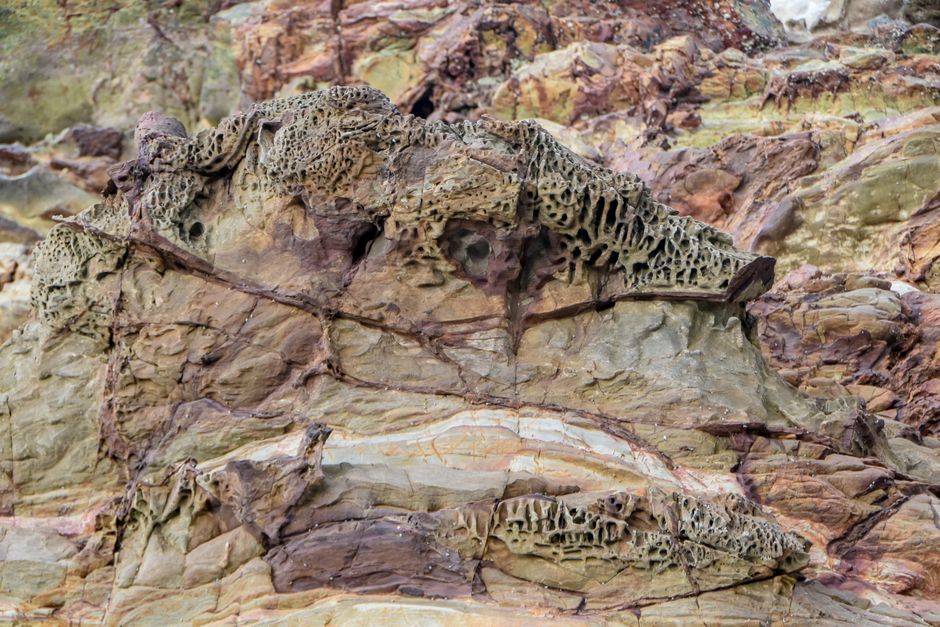
Rock weathering is the natural process by which minerals and stones gradually break down through exposure to water, air, and temperature changes. This happens everywhere—from towering mountain peaks to the pebbles in your garden. But here’s where it gets interesting: this seemingly mundane geological process can either pump carbon dioxide into our atmosphere or pull it out, depending entirely on which rocks are being weathered.
The stakes are high because this isn’t a process we can simply switch off or redirect. It’s been influencing Earth’s climate since our planet had a solid crust, and it will continue doing so long after human civilization has transformed.
The Carbon Release Pathway: When Weathering Warms the Planet
Certain rocks, particularly those containing carbonate minerals like limestone and dolomite, release carbon dioxide when they weather. When rainwater—which is slightly acidic due to dissolved CO2—interacts with these carbonate-rich stones, a chemical reaction occurs. The weathering process breaks down the rocks and releases the carbon that’s been locked inside for millions of years, sending it back into the atmosphere. This pathway essentially reverses the very process that buried the carbon in the first place, creating a warming effect.
Did you know? Carbonate rocks make up a significant portion of Earth’s continental crust, meaning this carbon-release pathway is happening on an enormous scale across the globe.
The Carbon Drawdown Pathway: Nature’s Negative Feedback
Silicate rocks—the most abundant type on Earth—tell a completely different story. When silicate minerals weather, they undergo chemical reactions that actually consume atmospheric carbon dioxide. The weathering products eventually wash into the oceans, where they combine with dissolved CO2, effectively removing it from circulation. This process works like Earth’s own built-in thermostat, automatically drawing down atmospheric carbon when conditions become too warm.
This is where the term “feedback” becomes crucial. As the planet warms, weathering rates of silicate rocks tend to increase because more rainfall and higher temperatures accelerate the chemical reactions involved. The faster weathering pulls more CO2 from the atmosphere, which helps cool the planet back down. It’s an elegant self-regulating system that has maintained Earth’s habitability across vast timescales.
The Delicate Balance We’re Disrupting
The problem isn’t weathering itself—it’s that humans have dramatically altered the landscape. Deforestation exposes fresh rock surfaces, mining operations accelerate weathering in some areas while preventing it in others, and our infrastructure changes water flow patterns. We’re essentially poking at a system that has worked in balance for eons without really understanding all the consequences.
Some researchers have even explored the idea of accelerating silicate rock weathering as a climate intervention strategy, spreading crushed rock on agricultural land to enhance the natural CO2 drawdown process. It’s an intriguing possibility that demonstrates how deeply scientists are thinking about leveraging geological processes in our climate toolbox.
What This Means for Our Future
Understanding rock weathering forces us to confront an uncomfortable reality: the solutions to our climate challenges aren’t purely technological or social. They’re deeply rooted in the geology of our planet, in processes that operate on timescales far beyond human lifespans. The rocks beneath us have been teaching us about climate regulation all along—we’re only now beginning to truly listen.