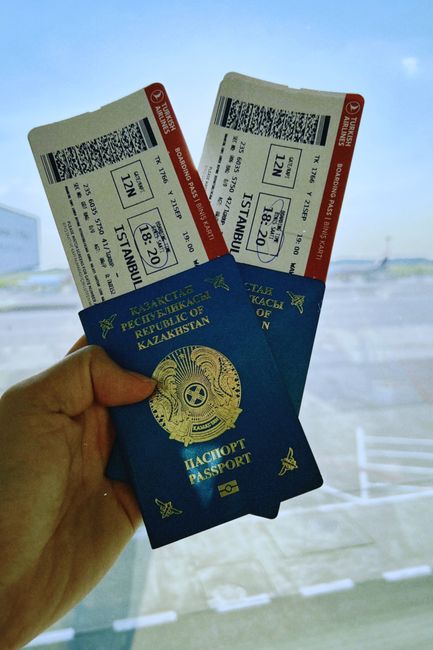
The Truth About Finding Cheaper Flight Tickets
If you’ve spent time scrolling through travel blogs, you’ve probably encountered countless theories about the “perfect” time to book a flight. Tuesday mornings? Wednesday afternoons? 6 weeks in advance? The internet is full of claims, but how much of this advice actually holds up under scrutiny? Let’s examine what the data really tells us about airfare pricing patterns.
What Research Actually Shows About Booking Timing
Multiple studies from travel analysts and booking platforms have investigated whether specific days or times truly offer cheaper fares. The results are surprisingly consistent: there is no single “magic day” that guarantees lower prices across all routes and airlines. While some research suggests minor variations in pricing patterns, these differences are often marginal and won’t necessarily save you significant money.
This doesn’t mean booking time is completely irrelevant—it matters far less than other factors, but it still plays a role. The key is understanding what actually influences airfare prices rather than chasing myths.
The Real Factors That Determine Your Ticket Price
Several variables have a far greater impact on your final cost than whether you book on a Tuesday or Thursday. Distance traveled, time of year, how far in advance you’re booking, and current fuel prices all matter significantly. Your route’s competition level also plays a crucial role—routes with multiple airline options tend to have lower fares than those with limited carriers.
Seasonality matters tremendously. Summer holidays, winter breaks, and spring break periods see dramatically higher prices regardless of the day you book. Conversely, traveling during off-peak seasons like September or early November often yields better deals, no matter when you purchase your ticket.
The Sweet Spot for Advance Booking
Here’s where timing does matter: booking your flight at the right distance in advance shows more consistent results. Research suggests booking between 1-3 months ahead for domestic flights often works well, while international flights might benefit from booking 2-4 months early. However, this varies by route and isn’t a hard rule.
The worst time to book is typically the last minute. If you wait until the week of your flight, prices usually spike significantly because fewer seats remain available. Similarly, booking too far in advance—six months or more—generally doesn’t yield savings and may result in higher fares.
Practical Tips That Actually Work
Rather than obsessing over booking on a specific day, focus on strategies with proven results. Set up price alerts for your desired routes and monitor trends over a few weeks. This removes guesswork and lets you book when you see genuinely attractive prices. Being flexible with your travel dates can save hundreds of dollars—shifting your trip by even a few days sometimes reveals significantly cheaper options.
Clear your browser cookies and search in incognito mode, though recent evidence suggests airlines don’t intentionally raise prices for repeat searches as aggressively as previously believed. Flying midweek instead of weekends consistently offers savings, as business travel dominates weekday flights and leisure travel peaks on weekends.
Final Thoughts
The bottom line: forget about the Tuesday morning mythology. Instead, concentrate on booking during your destination’s off-season, using price alerts to track fares, remaining flexible with dates, and purchasing your ticket within the 1-3 month window for most domestic travel. These evidence-based strategies will serve you far better than following outdated advice about mythical optimal booking days.