The Two-Hour Secret to Heart Health Women Need to Know
When was the last time you thought about your heart while lifting weights? Most women focus on strength training for toned arms, stronger legs, or better posture. But emerging research reveals that those dumbbells in your hands might be doing something far more important—protecting your cardiovascular system in ways you never expected.
The common assumption has always been that cardio is king for heart health. Running, cycling, swimming—these aerobic activities get the glory when it comes to preventing heart disease. Yet a groundbreaking study challenges this narrative, suggesting that women who commit just two hours per week to strength training can significantly reduce their cardiovascular disease risk. The findings are reshaping how we think about exercise, particularly for women navigating midlife and beyond.
Why Strength Training Deserves Your Attention
If you’ve been putting off adding weights to your routine, here’s your wake-up call: strength training works on your heart from the inside out. When you build muscle, your body becomes more efficient at managing blood sugar, regulating cholesterol levels, and maintaining healthy blood pressure. These improvements don’t just happen at the gym—they ripple through your entire cardiovascular system.
The research shows that every additional hour of strength training per week contributes to measurable protection against heart disease. Even more impressive? The combined effect of pairing strength training with aerobic exercise creates what researchers call a synergistic benefit. Women who do both experience substantially greater risk reduction than those who do either activity alone.
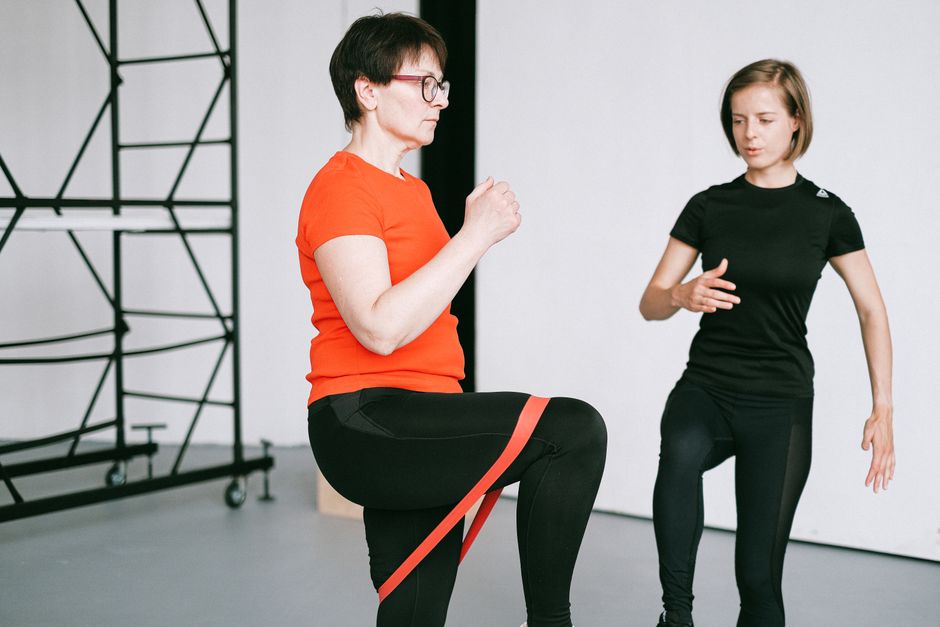
Quick tip: You don’t need expensive equipment to start. Bodyweight exercises like squats, wall pushups, and step-ups are incredibly effective and can be done at home while watching your favorite show.
Beyond the Gym: Why This Matters for Women’s Health
Strength training offers particular benefits for women during and after menopause. As estrogen levels decline, women lose muscle mass and bone density at accelerated rates. Strength training directly counteracts these changes, making it one of the few interventions that addresses multiple age-related health concerns simultaneously.
Consider the broader picture. Strength training improves bone density, reduces fall risk, combats muscle loss, and enhances overall functional capacity. When you add cardiovascular benefits to this list, you’re looking at an exercise strategy that truly transforms quality of life in midlife and beyond. The heart disease protection is substantial, but it’s just one piece of a much larger wellness puzzle.
Getting Started Without Overwhelm
The beauty of this research is its practicality. You don’t need to become a powerlifter or spend hours in the gym. Two solid sessions per week—roughly an hour total—appears to be the sweet spot. This is achievable for most women regardless of schedule, budget, or fitness background.
Starting slowly matters more than starting big. Whether you choose dumbbells, resistance bands, weight machines, or simply your own body weight, consistency trumps intensity. Many women find that home-based routines work best, especially when tied to something meaningful—like staying independent, playing with grandchildren, or simply feeling strong in daily life.
The Complete Picture
While strength training deserves more attention than it typically receives, the research also emphasizes that it works best as part of a comprehensive approach. Combining strength training with aerobic exercise creates the most powerful protection against heart disease. Add limiting sedentary time—especially excessive screen time—and you’ve created a lifestyle formula that addresses cardiovascular health from multiple angles.
The encouraging message? You likely already know what to do. Current health guidelines recommend both types of exercise for good reason. This new evidence simply makes those recommendations feel more clinically meaningful and personally relevant.
If you’re not currently strength training, consider this your invitation to start. Talk with your doctor about what’s appropriate for your fitness level, and don’t hesitate to work with a trainer or physical therapist to learn proper form. Your heart—and your future self—will thank you.