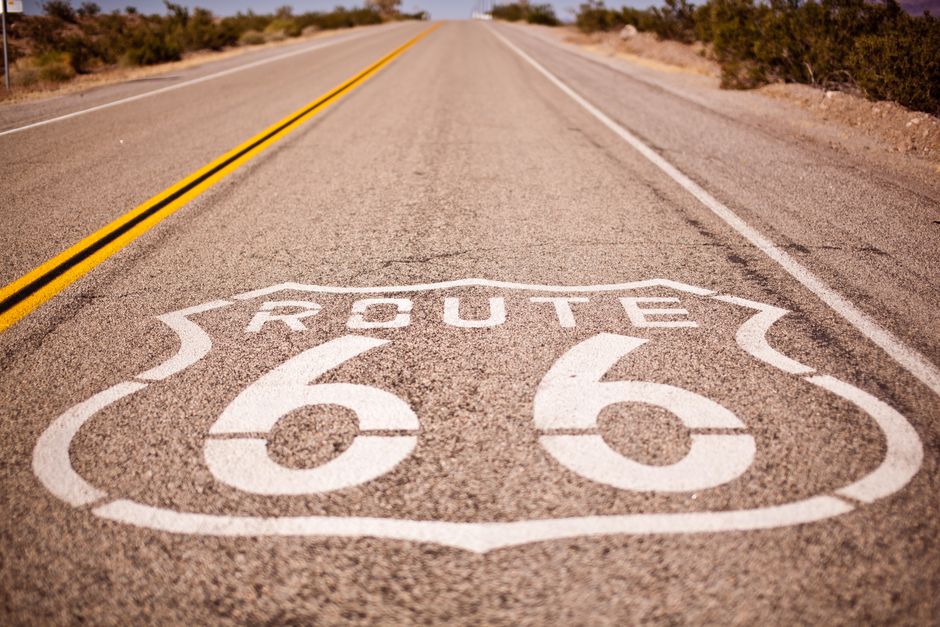
Rediscovering America on the Mother Road
What happens when cynicism meets concrete? When a person who has questioned their place in a country decides to literally drive its most iconic highway? That’s the story of Route 66—a 2,400-mile stretch of asphalt that has become far more than a road. For its centennial, this legendary path is reminding countless travelers that wonder doesn’t die; sometimes it just needs the right detour.
Route 66 opened in 1926, connecting Chicago to Los Angeles with a promise of adventure and possibility. A century later, most of the original highway has been bypassed by interstate systems, replaced by progress and efficiency. Yet something remarkable happens when you choose the slower path: you begin to see what the fast lane made invisible.
The Unexpected Gift of Getting Lost
There’s a peculiar magic in retracing a route that once represented the American dream. Small towns that time seemed to forget pepper the landscape—diners with red vinyl booths, vintage neon signs, roadside attractions that seem to belong in another era. These aren’t Instagram-worthy destinations designed for social media validation. They’re genuine artifacts of a different America, preserved not by corporate investment but by the stubborn devotion of locals who refused to let them disappear.
Traveling Route 66 forces a different relationship with time. You can’t rush through nostalgia. You can’t speed past the gift shops shaped like giant teepees or the restored motor courts that once hosted families chasing their own version of happiness. The highway demands patience, and in that patience, something shifts. The constant news cycle fade. The political divisions that seemed insurmountable shrink in significance. What emerges is simpler: curiosity about the person at the next diner counter, appreciation for craftsmanship in a hand-painted mural, gratitude for the simple act of movement toward something.
What the Road Teaches About Belonging
Did you know? The “Mother Road” nickname came from John Steinbeck’s “The Grapes of Wrath,” where Route 66 represents both escape and hope for displaced families during the Great Depression.
For those wrestling with questions of belonging in America, Route 66 offers an unexpected answer. It’s not a single destination but a continuous journey. It’s not one community but a collection of communities—each with its own story, its own character, its own reasons for persisting. The people who run these roadside establishments aren’t motivated by profit margins. They’re motivated by something older: the desire to be part of a story, to contribute to something larger than themselves.
This is what transforms a reluctant American into someone renewed. It’s the recognition that optimism isn’t naive. It’s not about ignoring problems or pretending everything is perfect. Rather, it’s about choosing to notice the care someone took in painting their storefront, the generosity of a stranger offering directions, the resilience of communities that refuse to fade despite being passed over by progress.
Finding Your Own Route
Route 66 exists as both literal highway and metaphor. The physical road still winds through eight states, still connects Chicago to Santa Monica. But the real journey is internal—the moment you decide that wonder is worth pursuing, that optimism is a choice rather than a naive default setting.
Perhaps you won’t drive the entire Mother Road. Perhaps your version of this journey looks different. But somewhere in the realization that America contains both problems and beauty, both decline and persistence, lies the answer to why someone might choose to stay.
What would it take for you to see your own country as a curious traveler might—with fresh eyes and an open heart?