The Race for AI Supremacy: Why South Korea’s Trillion-Dollar Bet Matters
What if the future of artificial intelligence isn’t decided in Silicon Valley, but in Seoul? South Korea is making a bold statement with plans to invest a trillion dollars in semiconductor manufacturing and humanoid robotics development. This isn’t just about staying competitive—it’s about fundamentally reshaping the global technology landscape.
Understanding South Korea’s Strategic Vision
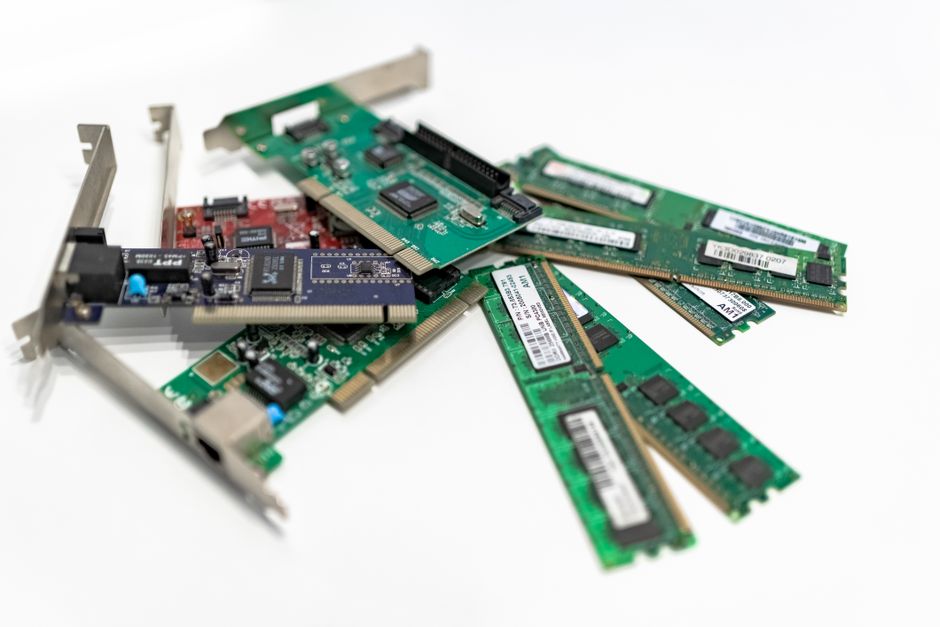
The South Korean government has recognized something crucial: whoever controls memory chip production controls a significant portion of the AI revolution. Memory chips are the backbone of every AI system, from cloud computing centers to edge devices. By doubling down on manufacturing capacity, South Korea positions itself not just as a player, but as a cornerstone of the global AI infrastructure.
The ambition doesn’t stop at semiconductors. The country is simultaneously pursuing humanoid robot development, targeting commercial deployment by 2028. This dual approach reveals a sophisticated understanding of how AI will evolve—not in isolation, but as an integrated ecosystem where hardware and robotics work in concert.
Did you know? Memory chip production requires some of the most advanced manufacturing facilities on Earth, with cleanrooms so pristine they make hospital operating rooms look dusty.
Why Memory Chips Are the Real Prize
Every major AI model—from language processors to image generators—demands enormous computational resources. Training these systems requires staggering amounts of memory bandwidth and storage capacity. Companies worldwide are scrambling to secure chip supplies, and South Korea’s investment directly addresses this critical bottleneck.
By expanding memory chip production, South Korea creates a natural economic moat. Other countries will need to either build competing capacity (a massive undertaking) or continue relying on South Korean suppliers. This dependency transforms a manufacturing advantage into geopolitical leverage.
The Humanoid Robot Element
While memory chips represent the physical infrastructure of AI, humanoid robots represent its tangible application. By 2028, South Korea aims to have commercially viable humanoid robots ready for deployment. These aren’t science fiction concepts—they’re practical machines designed for manufacturing, healthcare, hospitality, and service industries.
The synergy here is profound. Advanced memory chips enable more sophisticated robot cognition. More advanced robots create demand for better chips. It’s a virtuous cycle that benefits South Korean companies across the entire value chain.
What This Means for the Global Technology Landscape
South Korea’s investment reshapes international competition. While the United States focuses on AI software and algorithms, and China pursues manufacturing scale, South Korea is strategically positioning itself in the middle—controlling the physical resources that make advanced AI possible while developing practical applications.
Other nations are taking notice. Investment in semiconductor manufacturing is increasing worldwide, but South Korea’s trillion-dollar commitment demonstrates an unmatched level of conviction and capital allocation toward this sector.
For businesses and consumers, this matters tremendously. A South Korean-dominated memory chip market could influence everything from AI service pricing to the speed at which new technologies reach the market. It also raises important questions about technological sovereignty and economic dependency.
Looking Ahead
The next five years will be critical. If South Korea successfully executes this plan, the country transforms from a regional technology powerhouse into a global AI infrastructure leader. If competitors catch up, the landscape could fragment into competing regional technology ecosystems.
The trillion-dollar question isn’t whether South Korea can build the facilities or develop the robots—it’s whether this concentrated investment will deliver the competitive advantages the country is banking on. In the race to lead the AI era, South Korea has made its move. The world is watching.