Tamil Nadu’s Ancient Temples Are the Soul of South India
What happens when you step into a space where human devotion has flourished for over two thousand years? Walking through the towering gopurams and intricate corridors of Tamil Nadu’s temples, you don’t just witness architecture—you encounter the living pulse of an entire civilization.
Where History Breathes in Stone and Sculpture
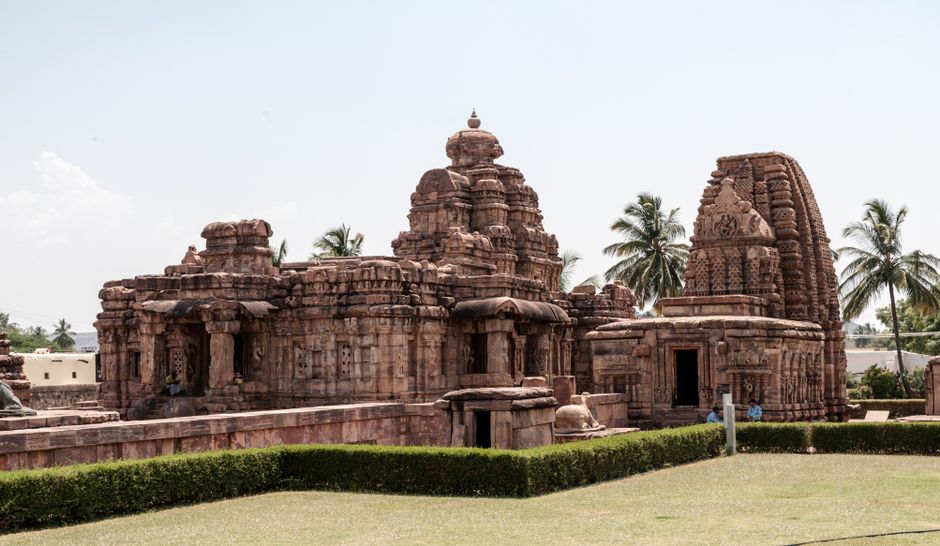
Tamil Nadu’s temples are far more than religious structures. They are open-air museums where Dravidian architecture reaches its zenith, where every carved pillar tells a story, and where the boundaries between art, spirituality, and daily life dissolve entirely. From the massive Meenakshi Temple in Madurai to the serene Brihadeeswarar Temple in Thanjavur, these sanctuaries have shaped the cultural identity of South India for millennia.
The architectural sophistication evident in these temples astounds modern engineers and archaeologists alike. The precision of stone-cutting, the intricate drainage systems, and the mathematical perfection of proportions reveal a civilization that valued both aesthetic beauty and practical ingenuity. These weren’t built with contemporary machinery or blueprints as we know them—yet they stand as testaments to human capability and artistic vision.
The Artistic Tapestry Within Sacred Walls
Step inside any major temple, and you’re surrounded by an explosion of creative expression. Sculptures depicting celestial beings, mythological narratives, and everyday scenes from ancient Tamil life adorn every surface. The craftsmanship ranges from delicate relief work to magnificent free-standing statues, each piece contributing to a larger narrative about what mattered to the people who created them.
Did you know? Many of these temples employed thousands of artisans, musicians, dancers, and scholars, creating entire communities devoted to maintaining these sacred spaces.
The Meenakshi Temple alone features intricate carvings that would require decades of focused study to fully appreciate. The temple’s thousand-pillar hall showcases sculptures that seamlessly blend mythology with botanical and zoological accuracy—a testament to the keen observation skills of ancient Tamil artisans.
Beyond Religion: Temples as Social Centers
These temples functioned as more than places of worship. They served as centers of learning, repositories of knowledge, and gathering spaces for entire communities. Temple libraries preserved ancient texts on philosophy, mathematics, medicine, and poetry. Temple tanks (reservoirs) provided water for agricultural and domestic needs. Temple festivals brought together people across social boundaries, creating moments of collective joy and cultural continuity.
The administration of these temples required sophisticated organizational structures. Temple officials managed lands, collected taxes, maintained records, and coordinated the work of thousands of craftspeople and laborers. In essence, temples operated as self-contained economic and administrative entities that sustained entire regions.
The Spiritual Resonance That Endures
Walk through a temple during prayer time, and you’ll feel something intangible shift in the air. The rhythmic chanting of mantras, the fragrance of incense and flowers, the synchronized movements of devotees—these create an atmosphere that connects visitors to generations of worshippers who came before them. This continuity of practice, spanning centuries, creates a spiritual resonance that modern pilgrims and tourists alike can sense.
The temple experience engages all senses deliberately. The visual splendor overwhelms the eyes, while sacred sounds anchor the mind, aromatic elements calm the nervous system, and the tactile experience of walking barefoot on cool stone grounds the spirit in the present moment.
A Living Heritage Demanding Our Attention
What makes Tamil Nadu’s temples extraordinary is that they remain living, breathing entities rather than static historical artifacts. Daily rituals continue much as they have for centuries. Festivals still draw hundreds of thousands of devotees. Young artisans still learn traditional sculpting techniques passed down through generations.
Yet these magnificent structures face challenges from environmental degradation, urban expansion, and the complexities of modern conservation. Visiting these temples, learning their stories, and supporting their preservation becomes not just a tourist activity but an act of cultural