From Desert Plant to Dinner Plate: Discovering Nopales
Ever walked past a cactus and thought, “I wonder what that tastes like?” Most of us haven’t—and that’s because the prickly exterior sends a pretty clear “don’t touch me” message. But here’s where it gets interesting: beneath those formidable spines lies one of nature’s most nutritious and underappreciated foods. Nopales, the edible pads of the prickly pear cactus, have been nourishing people for centuries, yet many Western diners remain completely unaware of their existence. If you’re ready to expand your palate and explore a food that’s as unique as it is beneficial, read on.
Understanding Nopales: More Than Just a Plant
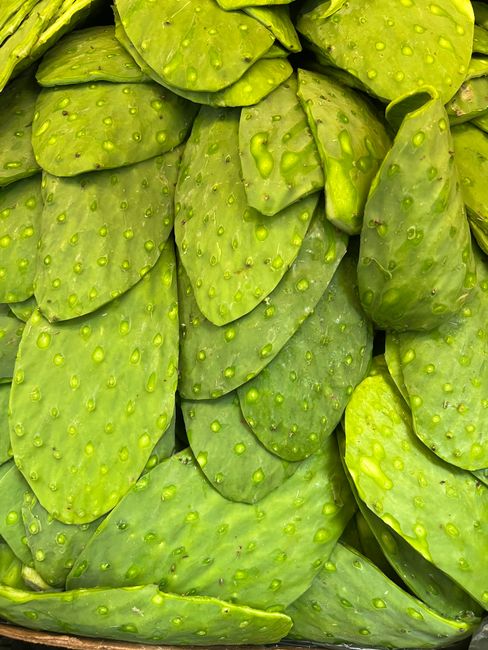
Nopales—also called prickly pear or opuntia—are the flat, paddle-like stems of a cactus species native to Mexico and the American Southwest, though they’ve now spread to Mediterranean regions and beyond. What makes them special isn’t just their unusual appearance but their remarkable nutritional density. When properly prepared (with those pesky spines removed, naturally), these pads can be boiled, grilled, sautéed, or even blended into refreshing beverages.
The entire plant offers culinary possibilities. The flowers produce a jewel-toned fruit packed with seeds and viscous pulp that finds its way into jams, desserts, and juices. Even the stems and leaves become tender and edible when cooked correctly. It’s this versatility that has kept nopales on Mexican tables for generations and is now earning them a place in health-conscious kitchens everywhere.
Quick tip: If you’re shopping for fresh nopales at a farmer’s market or specialty grocery store, look for pads that are firm and bright green. They should feel slightly waxy to the touch and have no soft spots.
The Health Benefits Worth Exploring
The vibrant colors of nopales point to something important: they’re loaded with compounds your body actually needs. These include various antioxidants that work to neutralize harmful free radicals and support your overall wellness. Research continues to examine exactly how beneficial these desert plants can be.
One particularly promising area of study involves blood sugar regulation. Some evidence suggests that consuming nopales alongside meals high in carbohydrates might help moderate blood glucose responses, which could be valuable for people monitoring their carb intake or managing metabolic health. However, the research remains preliminary, and larger studies are needed to draw definitive conclusions.
Beyond blood sugar, nopales appear to support joint health and mobility. The anti-inflammatory compounds they contain may help reduce stiffness and improve flexibility, making movement easier for those dealing with everyday aches or reduced range of motion.
Don’t overlook their liver-supporting properties either. By helping manage triglyceride levels, nopales may ease the burden on this vital organ. Additionally, if you’ve ever needed to rehydrate after illness or overindulgence, prickly pear juice offers potassium, magnesium, and calcium—the electrolytes your body craves.
Getting Nopales Into Your Diet
The best approach depends on what’s available to you and your cooking comfort level. Fresh nopales require some preparation—rinsing thoroughly to remove remaining spines and then cooking to soften the texture. Once prepared, they have a mild flavor somewhat reminiscent of green beans, making them surprisingly versatile in various dishes.
If sourcing fresh nopales proves challenging, prickly pear juice offers a convenient alternative. Look for versions without added sugars for maximum benefit. Supplements containing nopales extract are also available for those seeking a concentrated dose, though consulting a healthcare provider about supplementation is always wise.
Start with small amounts if you’re new to nopales. Some people experience mild digestive effects like bloating or loose stools when first introducing them. Your body may simply need time to adjust to this new addition.
Making Your Decision
Nopales