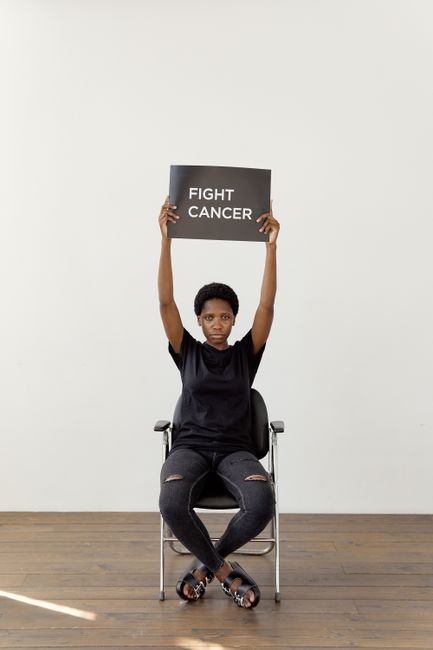
Breaking the Sitting Habit: How Movement Interrupts Cancer Risk
How many hours did you spend sitting today? If you’re like most people in developed countries, the answer might surprise you—and frankly, concern you. Recent research has illuminated a troubling connection between prolonged sitting and increased cancer risk, yet the silver lining is compelling: even minimal movement can make a real difference.
The Hidden Cost of Modern Comfort
Our contemporary lifestyle practically demands that we sit. Office jobs, remote work, streaming entertainment, and long commutes have created a perfect storm of inactivity. We’ve normalized spending eight, ten, or even twelve hours a day in a seated or reclined position. But our bodies weren’t designed for this extended stillness.
Recent scientific evidence reveals that when we accumulate sitting time in prolonged, uninterrupted blocks, our cancer risk climbs significantly. This isn’t merely about weight gain, though that’s certainly part of the equation. Rather, extended sedentary periods trigger metabolic disruptions and hormonal imbalances that create an environment where cancer cells can more easily develop and thrive.
The stakes are particularly high for colorectal, breast, pancreatic, liver, and kidney cancers—all conditions linked to prolonged inactivity. What makes this revelation both sobering and hopeful is understanding the mechanism: it’s not immutable. The process can be interrupted.
Understanding the Biology Behind the Risk
When we sit for extended periods without interruption, our metabolism shifts into a low gear. Blood sugar regulation becomes impaired, inflammatory markers increase, and our body’s natural defense mechanisms weaken. For hormone-sensitive cancers like breast cancer, the situation becomes more precarious as prolonged sedentary behavior can disrupt hormonal balance.
Additionally, excess weight often accompanies an inactive lifestyle, and the inflammatory state created by excess body fat establishes fertile ground for malignant cellular growth. Think of it as creating conditions where cancer-promoting processes flourish unchecked.
Did you know? Even individuals at a healthy weight experience negative metabolic effects from prolonged uninterrupted sitting. The pattern of activity matters as much as total activity time.
The Surprisingly Simple Solution
Here’s where the research offers genuine encouragement: you don’t need to become a fitness enthusiast to meaningfully reduce your cancer risk. Simply replacing one hour of prolonged sitting with light physical activity can reduce cancer mortality risk by a meaningful margin.
Light activity means anything that gets you moving—genuinely any movement counts. This includes everyday actions like standing while working, walking slowly around your house, tidying up, doing light chores, or simply changing positions frequently. The key is interruption. Breaking up your sedentary time prevents your body from settling into that metabolically compromised state.
The beauty of this approach is its accessibility. You don’t need a gym membership, special equipment, or athletic ability. You simply need to move more frequently throughout your day, in whatever way feels natural and sustainable for you.
Building Movement Into Your Day
Transform your environment to make movement inevitable rather than optional. Stand while taking phone calls or reading emails. Use a standing desk for part of your workday. Park farther away to create natural walking opportunities. Take stairs instead of elevators. Position your television or computer so you must stand periodically to use it comfortably.
Set a timer to remind yourself every thirty minutes to change position or move briefly. During video calls, stand rather than sit. When streaming shows, stand during commercials or episode breaks. These micro-movements accumulate into significant metabolic benefits throughout your day.
Moving Forward With Intention
The connection between sedentary behavior and cancer risk represents one of modern medicine’s most actionable discoveries. Unlike many health risks that require complex interventions, this one responds to something beautifully simple: getting up.
While current fitness guidelines recommend sustained moderate activity, this research validates that lighter, more frequent movement provides substantial protective benefits. Consider this your permission to start small.