Beyond the Gym: Could Your Muscle-Building Supplement Fight Depression?
When you think of creatine, you probably picture bodybuilders chugging shakes at the gym, not people struggling with their mental health. Yet emerging research is challenging that narrow perception. Scientists are exploring whether this common fitness supplement might offer unexpected benefits for depression—one of the most prevalent mental health conditions affecting millions worldwide.
The question sounds unconventional, but the reasoning is grounded in biology. Our brains are energy-hungry organs, and when their cellular power plants malfunction, mood disorders can follow. Creatine, which plays a crucial role in cellular energy production, might be able to help restore that balance.
What the Research Actually Shows
A comprehensive review examining multiple clinical trials found some encouraging signs. In studies where creatine was added to existing antidepressant medications or therapy, certain groups—particularly women—experienced improved symptom relief and higher remission rates compared to those on standard treatment alone.
However, and this is important, not all studies reached the same conclusions. Some trials found minimal or no benefit whatsoever. This inconsistency is why researchers are calling for larger, more comprehensive studies before making any bold claims.
The variability in results might stem from several factors. Different doses were used across studies, ranging from modest to more substantial amounts. Treatment duration varied too, with some trials lasting just four weeks while others extended to eight weeks. Additionally, most research participants were female, raising questions about whether findings apply equally to men.
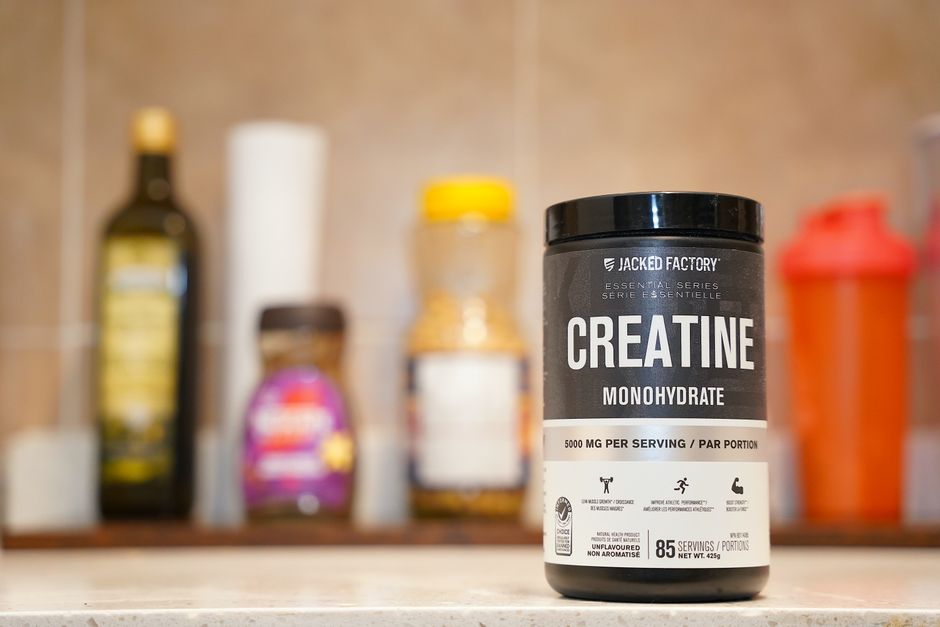
Quick tip: If you’re considering creatine supplementation for any reason, look for pure creatine monohydrate from established manufacturers. This form has the most extensive scientific backing and is widely available.
The Safety Question and Expert Perspective
One consistent finding across all the research is that creatine appears remarkably safe for healthy individuals when used as directed. Participants reported only minor digestive discomfort in most cases, and serious adverse effects were rare.
That said, medical professionals emphasize that creatine isn’t a replacement for proven depression treatments. Instead, it might work as an addition to existing therapies. This distinction matters significantly. Someone experiencing depression shouldn’t stop taking antidepressants or abandon therapy to try creatine instead.
Certain groups need extra caution. People with kidney disease, bipolar disorder, or those taking multiple medications should consult their healthcare provider before supplementing. This is especially true for individuals with bipolar disorder, as a few participants in trials experienced increased mood episodes when taking creatine.
Building a Complete Mental Health Strategy
Even if creatine does prove beneficial for some people, experts emphasize that supplements work best within a broader context. The fundamentals of mental health remain unchanged: regular physical activity, quality sleep, nutritious eating, and effective stress management techniques all support both brain function and mood regulation.
These lifestyle factors influence mitochondrial health—the energy factories inside our cells—which in turn affects our ability to regulate mood and manage stress. When you exercise regularly, sleep well, eat nutrient-dense foods, and manage stress effectively, you’re simultaneously supporting the same cellular processes that creatine targets.
Think of it this way: creatine might be a supporting player in your mental health team, but you wouldn’t want a team with only one player. Your comprehensive approach should include professional mental health support, medication if recommended, therapy, and lifestyle choices that nourish your mind and body.
What Comes Next?
The research door is slowly opening on creatine and mental health, but it’s far from wide open yet. Before this supplement becomes a standard recommendation for depression, scientists need to conduct larger trials with more diverse populations, longer follow-up periods, and clearer protocols.
If you’re interested in exploring whether creatine might help your specific situation, the first step is always a conversation with your healthcare provider. They can evaluate your individual circumstances, medication interactions, and whether supplementation makes sense as part of your overall treatment plan.
What aspects of your mental health support routine would benefit most from attention right now—and how might professional guidance help you strengthen that foundation?