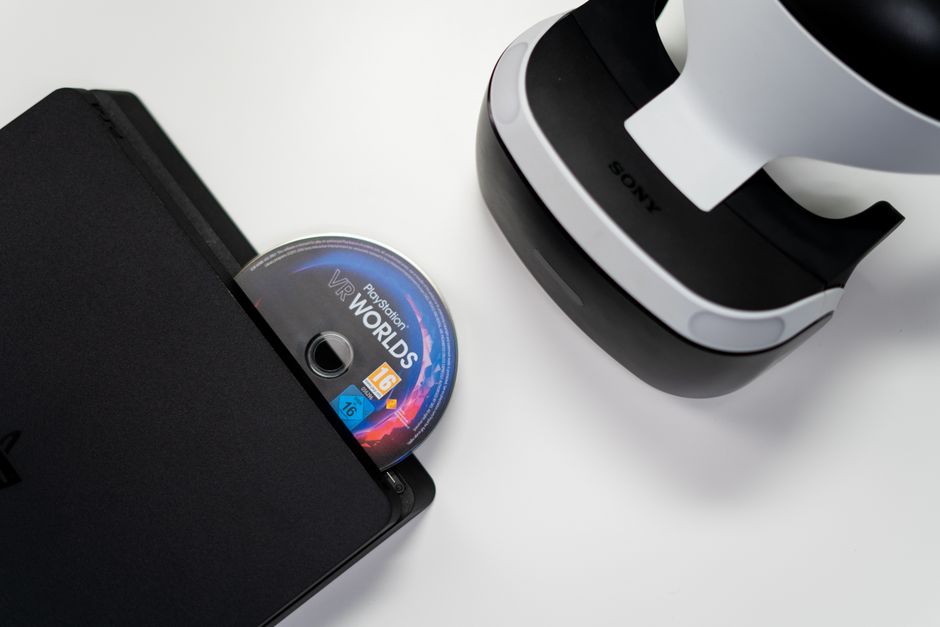
The End of Game Ownership: What Sony’s 2028 Decision Means for Gamers
Here’s a question that might keep you awake tonight: when Sony stops producing physical PlayStation games in 2028, will you actually own the games you’ve purchased? The answer is more complicated—and troubling—than you might think.
Gaming has fundamentally changed over the past two decades. Remember walking into a store, picking up a physical game case, and feeling that tangible sense of ownership? Those days are fading fast. Sony’s announcement that it will cease manufacturing physical copies of PlayStation games by 2028 marks a significant shift in how we’ll interact with entertainment media going forward.
Understanding the Digital-First Future
The transition from physical to digital isn’t happening overnight, but it’s inevitable. What does this mean practically? Every game you buy will exist only in Sony’s servers. You won’t own a disc you can resell, trade, or lend to a friend. You’ll hold a license—a right to access the game as long as you maintain your account and Sony maintains their infrastructure.
This shift affects multiple aspects of gaming culture. Collectors who cherish physical media libraries face an uncertain future. Resale markets will shrivel. Local game shops that have survived on used game sales will need to adapt or disappear entirely. The relationship between player and game developer fundamentally changes when you’re renting access rather than owning a product.
Did you know? Gaming licenses can be revoked if a company decides to remove a game from its digital store, meaning your “purchase” can vanish without compensation.
The Convenience Versus Control Debate
Digital games do offer genuine advantages. No physical storage space required. Instant downloads. Seamless cloud saves across devices. Automatic updates. These conveniences appeal to casual gamers and busy professionals who value accessibility over ownership.
However, convenience comes at a cost. When you buy digital, you’re entirely dependent on Sony’s servers, their business decisions, and their terms of service. If they decide to shut down a generation’s digital storefront—as they’ve done before with PlayStation 3—your access disappears. You can’t back up your games. You can’t preserve them for future generations.
What This Means for the Gaming Community
The shift toward digital-exclusive gaming raises legitimate concerns about digital preservation, consumer rights, and corporate control. Video games are cultural artifacts deserving of preservation, yet we’re moving toward a system where corporations hold all the keys.
Game preservation societies and archivists have already sounded alarms. Without physical media, ensuring future generations can play today’s games becomes exponentially harder. Studios close, servers shut down, and digital licenses evaporate. We’re essentially trusting corporations to maintain our cultural heritage indefinitely.
Independent game stores, which provided community gathering spaces and employment, will face even steeper challenges. Second-hand markets that gave budget-conscious gamers access to titles will shrink considerably.
Taking Control of Your Gaming Future
What can concerned gamers do right now? If you value ownership, purchasing physical copies while they’re still available makes practical sense. Building a physical library preserves your access regardless of corporate decisions or server shutdowns.
Support initiatives pushing for digital rights, including the ability to download games for offline play and preservation. Advocate for legislation protecting consumer ownership rights in digital markets. Engage with independent game developers who sometimes offer DRM-free titles you can truly own.
The 2028 deadline isn’t the end of the story—it’s a wake-up call. We’re collectively deciding what gaming will look like for the next generation, whether we act intentionally or remain passive consumers. The question isn’t just about Sony or PlayStation; it’s about whether we’re comfortable surrendering ownership of our entertainment to corporations that prioritize profit over preservation.
The future of gaming doesn’t have to be this way. But it will be unless gamers, developers, and policymakers demand better.