A Second-Chance Medication: How Naloxone is Saving Lives Across America
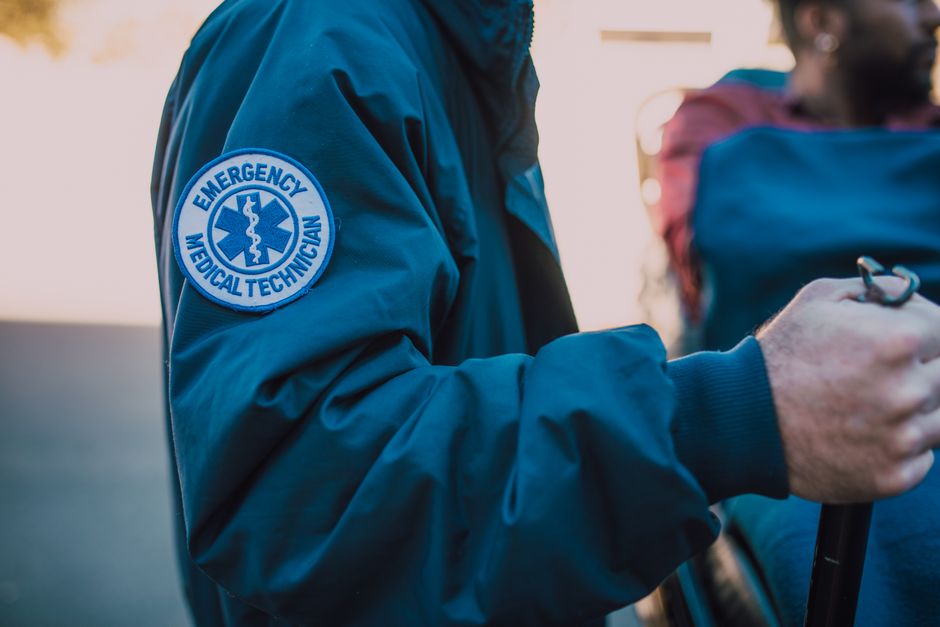
In a dramatic moment during the New York Knicks championship parade in June 2026, an off-duty emergency medical technician used a nasal spray medication to bring a stranger back from the brink of death. This real-world heroic intervention shines a spotlight on one of modern medicine’s most important lifesaving tools: naloxone, commonly known by the brand name Narcan.
The incident isn’t just a feel-good story about emergency heroism. It represents a critical shift in how America is addressing its opioid crisis—and it highlights growing accessibility to a medication that can mean the difference between life and death within minutes.
The Evolution of Naloxone: From Clinical Setting to Your Local Pharmacy
Naloxone has an interesting history in American medicine. First approved by the FDA in 1971, it was initially available only as an injectable medication administered by healthcare professionals in hospital and clinical settings. For decades, this limitation meant that many overdose victims never had access to the treatment they needed in time.
The landscape changed dramatically in 2023 when the FDA approved Narcan, an over-the-counter nasal spray formulation. This innovation removed a significant barrier to access. More recently, in June 2026, the FDA expanded this approval to include another intranasal naloxone product called Rextovy, further democratizing access to this life-saving medication.
What makes this expansion so significant? Today, anyone can walk into a pharmacy without a prescription and purchase naloxone. It’s kept on open shelves alongside pain relievers and cold medicine. This accessibility represents a fundamental shift in public health strategy—moving emergency intervention from hospitals to homes, workplaces, community centers, and yes, even championship parades.
Understanding How Naloxone Works in Your Body
From a wellness perspective, it’s helpful to understand what naloxone does at a biological level. The medication works by blocking opioid receptors in the brain. When someone experiences an opioid overdose, whether from prescription painkillers, heroin, or illicitly-manufactured fentanyl, these opioid receptors become overwhelmed, shutting down the respiratory system and potentially causing death within minutes.
Naloxone acts as a competitive antagonist, essentially displacing the opioids from these receptors and restoring normal breathing. When administered correctly and promptly, it can reverse an overdose within minutes. The nasal spray formulation is particularly practical because it requires no medical training to use—crucial when every second counts.
Why Speed Matters in Opioid Emergencies
Recent research reveals an important reality about naloxone’s effectiveness. While the medication works well against traditional opioids like heroin and prescription painkillers, its effectiveness against newer synthetic opioids like fentanyl has limitations. A 2026 study published in Anesthesiology found that standard naloxone doses may not fully reverse respiratory depression from synthetic opioid overdoses.
This underscores why rapid intervention is essential. When someone shows signs of overdose—slowed or stopped breathing, unconsciousness, or constricted pupils—calling 911 immediately while administering naloxone provides the best chance of survival. Paramedics may need to provide additional doses or respiratory support that naloxone alone cannot accomplish.
Making Naloxone Part of Your Health Safety Plan
The expansion of naloxone access raises an important wellness question: should you keep it on hand? If you or someone close to you struggles with opioid use, the answer is clearly yes. But public health experts suggest broader accessibility benefits entire communities, reducing overdose deaths across diverse populations.
Purchasing naloxone is straightforward and affordable, particularly compared to the human cost of losing someone to overdose. Learning how to use it takes minutes. The medication carries minimal side effects and is generally safe even if administered unnecessarily.
As one emergency medicine expert noted, the only real risk with naloxone is not using it when needed. In an era of increasingly potent synthetic opioids, having this medication readily available represents our best defense against preventable deaths.